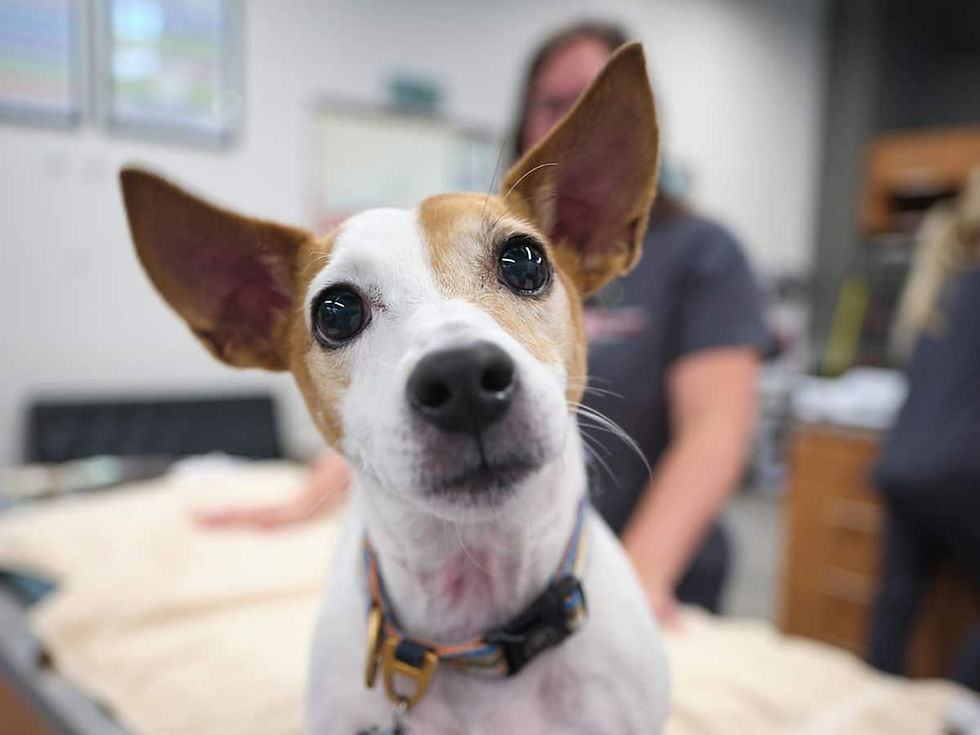
There are times your pup may be under the weather and you try to figure out what’s wrong. Have you ever wondered if your dog has a headache? As noted in our dog health articles, our pups share many of the same ailments and illnesses as humans. They catch colds, experience tummy troubles, and can develop allergies, but can dogs get headaches?
While there is no definitive test or conclusive study that can determine whether or not dogs get headaches, it IS important to recognize signs of pain/head pain in your pup, and get immediate veterinary care for it.
VEG ER for Pets is open 24/7 including weekends and holidays so don’t hesitate to call any time if you have questions about your pet’s health or just come in - you don’t need an appointment.
What can cause head pain in a dog?
Dogs can develop head pain for any number of different reasons, some of which are life-threatening and some which are less serious.
Reasons for head pain in dogs include but is not limited to:
Sinus or ear infections
Dental problems like gum disease or tooth decay/infections
Brain tumors, stroke, meningitis, or encephalitis
Head trauma
Contact with allergens via inhalation, ingestion, or skin contact
Exposure to toxins such as pesticides
Collars or harnesses that don’t fit properly and put pressure on your dog’s neck or spine, especially with growing puppies, dogs that have gained weight or older dogs
Signs of head pain in dogs
Diagnosing head pain in dogs can be difficult, and since some causes of head pain are medical emergencies, you should always err on the side of caution and see your vet or go to your nearest VEG ER for Pets emergency animal hospital as soon as possible if your dog exhibits any of the following symptoms:
Symptoms of head pain in dogs
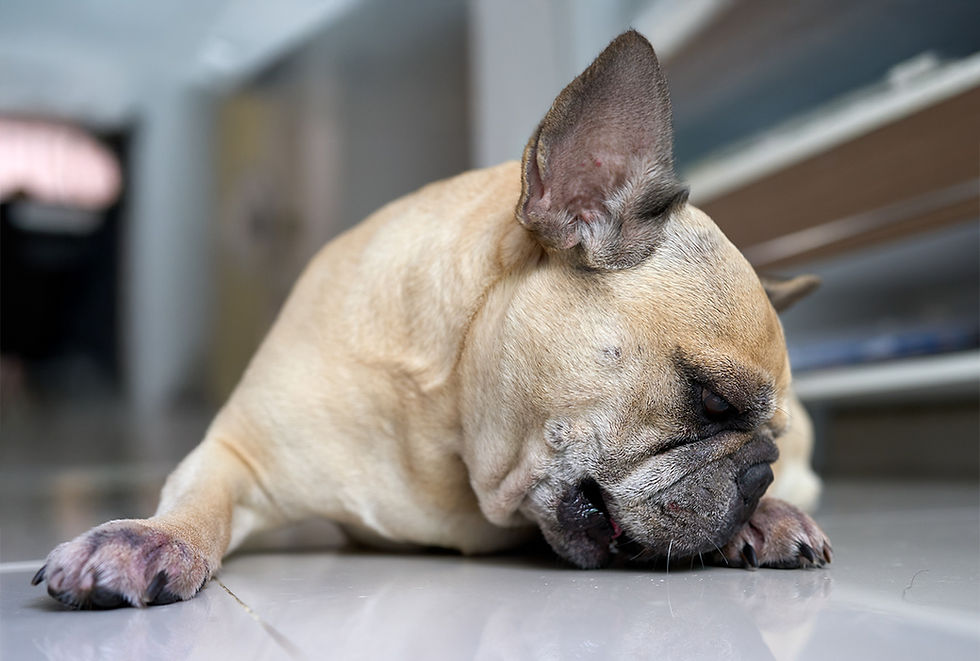
Head pressing (pushing head against the wall or floor)
Loss of balance/coordination, circling behavior
Sudden blindness
Behavior changes such as lethargy, isolation, or irritability
Sensitivity to light or sound (your dog may seek out dark, quiet spaces)
Pawing at the head or face
Changes in eating habits such as a loss of appetite, nausea, or difficulty chewing
Restlessness or pacing (indicative of pain or discomfort)
Squinting, glassy eyes, or trouble keeping their eyes open
Why is my dog pressing his head against the wall?
Unlike when your dog might nuzzle against you as a sign of affection or request for some snuggle time, dogs press their heads against firm surfaces like a wall, furniture, a corner or the floor as an indicator of something serious going on.
There is still some controversy over whether the behavior is an attempt to ease pain or some neurological response of altered awareness, but it is almost always a serious sign requiring immediate veterinary attention, particularly if the head pressing is accompanied by:
Body rigidity
Changes in behavior
Confusion, anxiety
Muscle weakness/uncoordinated movements
Irregular eye movements (nystagmus) or blindness
Are some dogs more prone to head pain than others?
Yes. Brachycephalic breeds (short-nosed) such as Pugs, Boston Terriers, and Bulldogs often have respiratory issues that can cause pressure and discomfort, and toy breeds and dogs such as King Charles Spaniels may have skull structures that limit the amount of protective fluid around the brain. With less of this fluid buffer, they can be more prone to brain injuries from any type of head trauma.
How do vets treat head pain in dogs?
Your vet will first determine the underlying cause of suspected head pain with a thorough physical examination of your dog, including a neurological assessment to test their reflexes, gait, and muscle control and function.
Lab tests may include bloodwork, urinalysis and fecal tests, X-rays, MRIs, or CT scans with or without contrast, testing of cerebrospinal fluid or assessment of the electrical activity of the brain, muscles, and nerves.
Then, depending on the diagnosis, your vet will treat your dog accordingly (antibiotics if there is an infection, dog-safe pain relief medications, anti-inflammatories, allergy medications, surgical intervention, etc.)
Never give your dog human medicine for pain and headaches
Acetaminophen (Tylenol) ibuprofen, naproxen, or aspirin can be very dangerous and highly toxic for your dog.
Home support for your dog's head pain
Once your dog has been properly diagnosed by a vet, along with any medication prescribed, here are some general steps you can take to help support your pup at home:
Reduce noise and light and provide a comfortable resting area for your dog
Keep your dog's daily routine as normal as possible to help reduce stress
Ensure your dog stays hydrated and maintains a healthy diet, as this can prevent potential headache triggers
Monitor any changes in your dog and update your vet accordingly
VEG ER for Pets is open 24/7 for your dog and all pets
At VEG, we understand the urgency of your concerns. Don’t hesitate to call us at any time with any questions you have, or come in any time - no appointment necessary!
Our caring, top-rated veterinarian team is ready to provide quick and effective care to diagnose and address your dog’s discomfort. The sooner you reach out, the sooner we can help. Our animal hospitals are open 24 hours a day, including weekends and holidays, for all of your dog's emergency and urgent care needs.