If your dog is the type who likes to get into just about every corner of the house, you may be all too familiar with the common household items that are toxic to dogs. Even if you feel like you already know them all, however, it’s always a good idea to brush up on the list now and then and make sure you know what to look out for as a responsible pet owner.
In this article, you’ll find a few lists of plants, foods, medications, and other household items that can be very toxic to dogs. These items are found in homes around the world and, unfortunately, are sometimes given to dogs purposefully by owners who didn’t realize they were toxic. Keep all of this information in mind and always watch your pet carefully when any of these items are present in your home.
If you think your dog ate something toxic, or if you're unsure, call VEG ER for Pets and speak with a vet. Open 24/7.
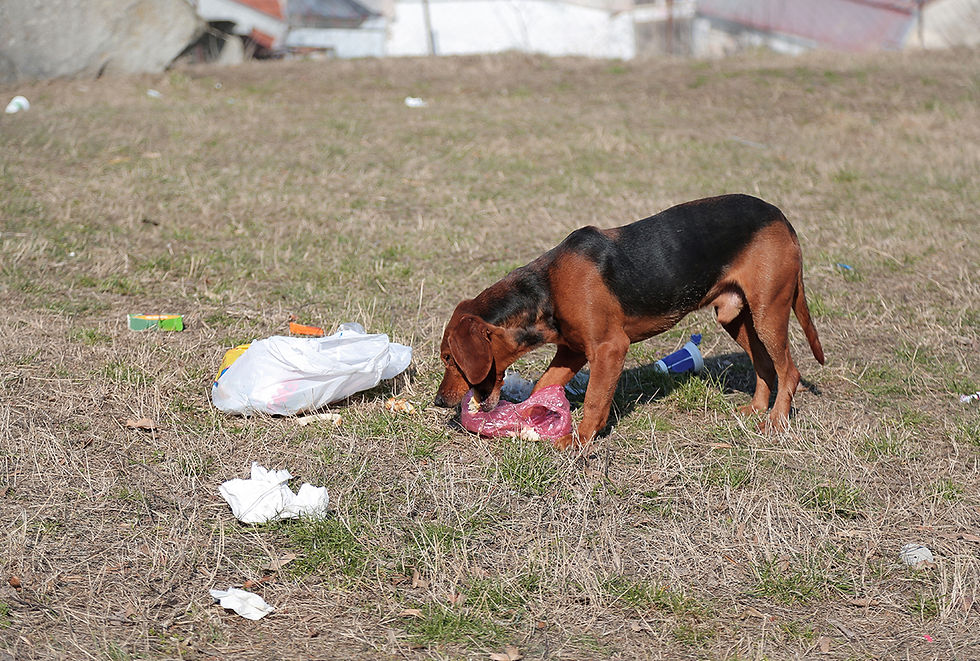
Which foods are poisonous to dogs
Certain household foods and drinks can be extremely dangerous for pets if they consume them. If your pet eats any of the following foods, it’s very important to call a vet right away to see what you should do next to help your pet.
Common foods, drinks, and ingredients that dogs should not have
Alcohol
Alcohol, even in a small amount, can cause dogs to become comatose. They may breathe very slowly and can die if not treated. This includes wine, beer and spirits. Some foods may contain enough alcohol to cause this in dogs as well.
Grapes
Yes, grapes are poisonous to dogs. Dogs may suffer from kidney failure when they ingest grapes or related foods, such as raisins. Some dogs may suffer from severe stomach upset, and some may die within 24 hours.
Xylitol
Xylitol is an artificial sweetener found in a variety of foods. When dogs eat it, their bodies create too much insulin, and their blood sugar drops to fatal levels. The most common food item that contains xylitol is sugar free gum.
Chocolate
Chocolate can cause seizures or a very high heart rate in dogs. Many dogs die every year from chocolate poisoning, but it can be treated if they are seen by a vet quickly enough.
Onions and Garlic
The allium family, like onions, garlic, chives, and leeks, contain a compound that affects a dog’s red blood cells. A very small amount of onion, garlic, or any food from the allium family can cause this, so never feed them to your dog, even if they’re just little pieces. A little can do a lot of damage. Dogs can become weak, lose their appetite, and vomit or have diarrhea when they ingest these foods.
Other foods that are potentially unsafe for dogs are are turkey and chicken bones, and corn on the cob.
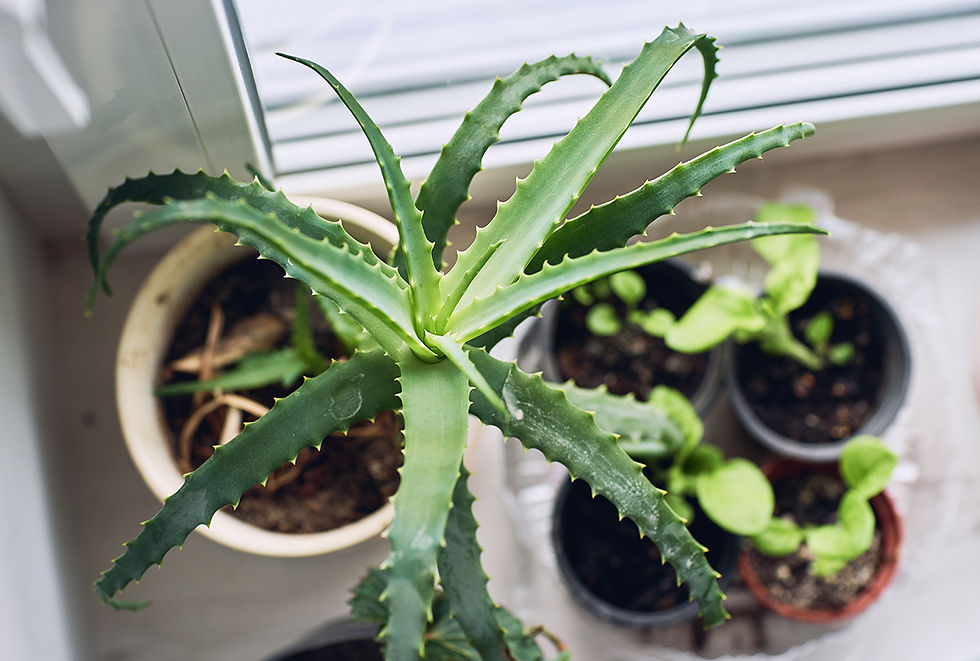
Which plants are toxic to dogs?
When ingested, some plants can be extremely harmful to your pet and can make them very sick.
Plants to keep away from dogs
Lily of the Valley
Lily of the valley can cause seizures, low blood pressure, coma, and even death in dogs. If your dog likes to chew on plants in the garden, skip this flower.
Tulips
Eating the leaves or petals of this plant can cause your dog to have an upset stomach, but ingesting the bulb can cause lethargy and more significant stomach illness.
Philodendron
This plant is often found in homes and offices. If your dog eats it, they may vomit or drool a lot, and they may be ill for a couple of days. It’s not usually fatal, but it’s not very good for them either.
Dieffenbachia
This is a common houseplant with wide, green leaves. Eating it can cause your dog to vomit and may lead to breathing difficulties.
Aloe
Eating aloe will likely cause your dog to shake, drool, and possibly throw up or have severe diarrhea. They may also have no appetite and may be very lethargic after eating it. Dogs don’t often die from eating aloe, but they should still not be allowed to do so, and should be monitored if it does happen.
Holly Berries
Holly berries are toxic to dogs (as well as other animals and children), and dried holiday décor can cause the berries to fall where pets can easily eat them. While most dogs will recover after ingesting holly berries, the experience can be severe, causing significant illness, and puppies, older dogs, and pets with health issues face a higher risk of serious or potentially fatal reactions.
Cherry Blossoms
Cherry blossoms, along with other parts of the cherry tree like leaves and stems, contain compounds that can release cyanide when eaten, making them potentially poisonous to dogs if ingested in meaningful amounts. Signs of toxicity can include vomiting, diarrhea, bright red gums, rapid breathing, dilated pupils, weakness, or collapse. If you think your dog ate cherry blossoms, remove any remaining plant material from their mouth (if safe), keep them calm, and contact an emergency vet or a pet poison hotline right away for guidance.
Poinsettias
Poinsettias aren’t nearly as dangerous to dogs as their reputation suggests. While the plant’s milky sap contains chemicals that can cause mild mouth irritation or an upset stomach if eaten, serious poisoning is very unlikely. Most dogs would only experience minor discomfort after nibbling a leaf or two, and they’re usually more curious than genuinely interested in eating the plant.
Which medications are dangerous for dogs
There are a variety of different medications that can be harmful to your pet. If your pet ingests any of these medications, call a vet right away to see what you should do next.
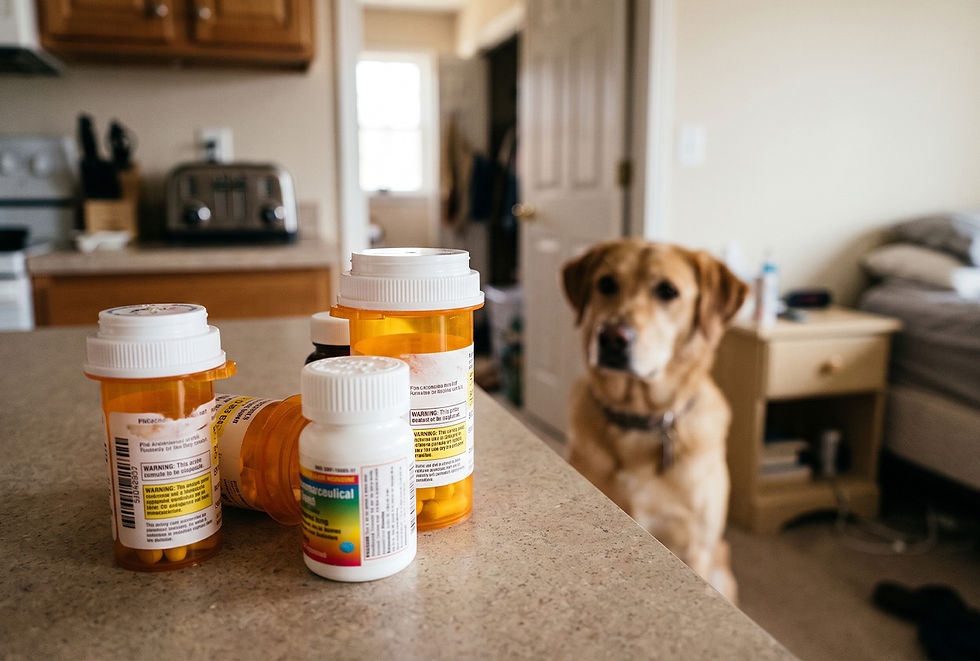
Dangerous medications to dogs
Tylenol and Ibuprofen
Both Tylenol and Ibuprophen are commonly found in household medicine cabinets. In fact, some vets may even prescribe human Tylenol to dogs for various problems. However, it should only be given under vet supervision, and only in the amount suggested by the vet. Having too much of either of these painkillers can cause severe poisoning for your dog.
Human prescription medication
Sometimes even eating just one pill that may fall on the floor from your prescription bottle is enough to cause a lot of damage to a dog. Take care to store this type of medication far away from your dog’s reach, and make sure to pick up any that might fall as well.
Pet prescription medication
Even if a medication is prescribed to your pet, make sure you keep it where they can’t get to it easily. If they do, they could risk eating too much of it, which could make them very ill. If your pet eats too much of their medication at one time, call your primary care vet immediately and ask what to do.
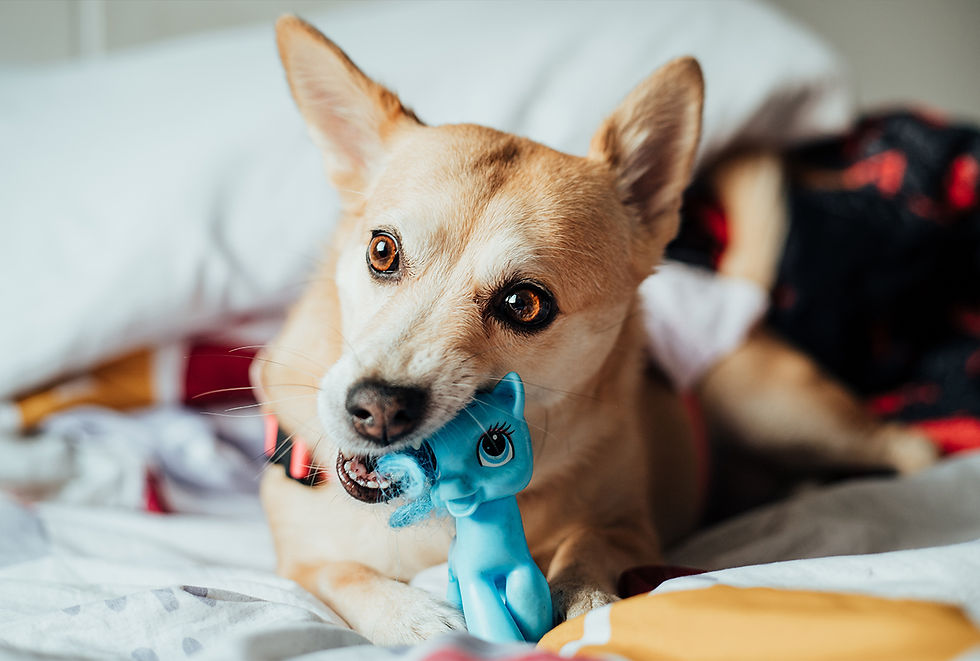
The dangers of chew toys and plastics to dogs
Ingesting pieces of chew toys or plastic can be dangerous and can cause health problems for your pet.
Monitor your dog when they play with chew toys
Some dogs may chew on their chew toys until they swallow a piece or more of the item. This isn’t always toxic to dogs, but it can be very dangerous and may cause a bowel obstruction that needs to be handled right away.
Plastic can wreak havoc on your dog
If your dog chews on something in the house that is made of plastic, they may suffer from poisoning or from obstructions. This is another situation in which your dog needs to get to the vet immediately.
Other common toxins to dogs
You've read about poisonous foods and plants to dogs, but here are other household items that can cause illness and even become fatal if ingested.
More common toxins to dogs to watch for
Rat and mouse poisons
Rat and mouse poisons are other household items that are poisonous for dogs. These are one of the most common toxicities in dogs. If your dog has consumed any of these poisons, then they need to be seen by a vet immediately.
Illicit drugs
Illicit drugs are also very harmful and poisonous to dogs. Marijuana toxicity is the most common toxicity seen in dogs, and we're seeing an uptick in ingestion of hallucinogenic mushrooms aka shrooms in dogs. Just like the other items listed above, if your dog has ingested any form of illicit drug, it’s important that they be seen by a vet immediately.
Metal
Another common household poison for dogs are metals. One of the most common metals that are poisonous for dogs are pennies. Penny ingestion causes Zinc toxicity, which is a very common poison for dogs.
Antifreeze
Antifreeze is extremely dangerous to dogs. Even small amounts can be fatal. It has a sweet taste that attracts pets, but once ingested it’s rapidly absorbed and begins causing severe, life-threatening damage to the kidneys. Early symptoms (within 30 minutes to 12 hours) include drunken behavior, staggering, vomiting, excessive thirst, and increased urination.
As poisoning progresses, dogs may develop rapid breathing, worsening lethargy, dehydration, tremors, seizures, and finally acute kidney failure. Antifreeze poisoning is a true emergency but immediate emergency veterinary care offers the best chance of survival, and waiting even a few hours can make treatment far less effective.
Poisoning prevention in dogs
Understanding what your dog should stay away from ingesting is an important part of being a pet owner. Although you can’t always stop your furry friends from getting into places where they don’t belong, you can make changes in your household that might prevent them from causing harm to themselves unknowingly.
Household emergency prevention measures for dogs
If they're harmful, keep them out of dog's reach
Always make sure you keep cleaners, medications, and other products such as these stored on high shelves and away from the reach of your pets. Don’t assume that your pet won’t get to them just because they’re kept inside a cupboard. If it’s at pet level, there’s always a risk.
Monitor your dog's playful time
If your dog is fond of chewing on stuffed toys, be sure to observe them and only let them have those that are meant for dogs. This way, they won’t run the risk of swallowing string or fabric that could cause an intestinal blockage.
Poisonous foods, plants, and more lead to emergency dogs
If your dog has ingested a substance that could potentially be poisonous, it’s very important to have them seen by an emergency vet as soon as possible.
At VEG, our experienced veterinarians will assess the situation and offer the treatment options to best care for your pet. We work with you throughout the entire process and always make sure we do everything we can to help your pet.