Poinsettias… pretty, but poisonous to your pup? As a pet owner, you’ve probably heard rumors that this brightly-colored plant, famously festive and often on show at the holidays, is toxic to dogs. But how accurate is this?
In this blog, helpful information from the veterinary experts at VEG ER for Pets emergency vet hospitals will set the record straight on poinsettia toxicity in dogs.
The truth about poinsettias and pets
On the spectrum of “how much will this plant harm my dog?” poinsettias rank at “not a grave concern but be cautious nevertheless.” Pup-parents do need to take safety measures when displaying this and other plants that may cause harm or discomfort to your precocious poodle or spunky spaniel.
Let’s explore the potential dangers poinsettias pose to our canine companions and how to keep your pet safe during the holiday season.
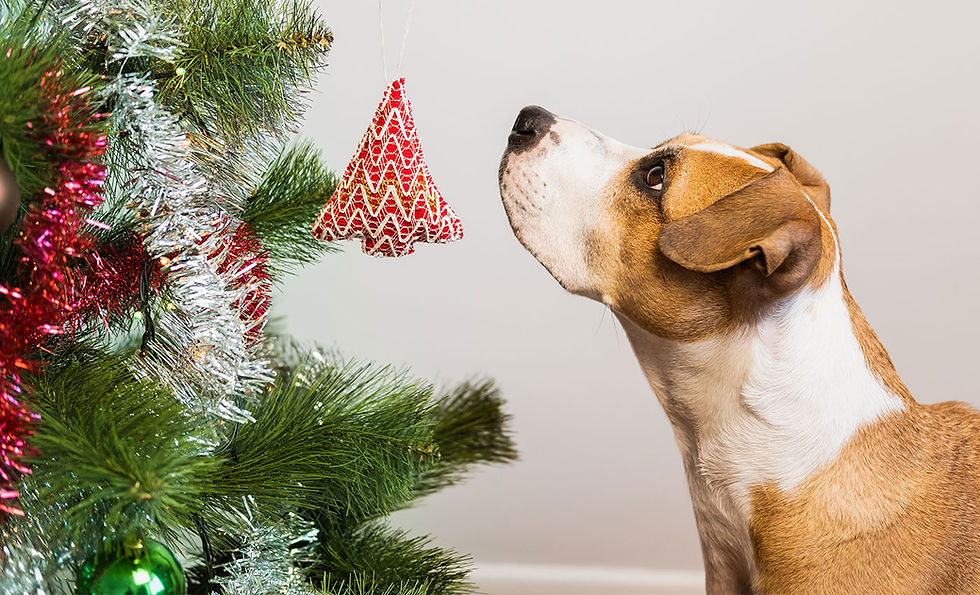
Are poinsettias toxic to dogs?
Poinsettias (Euphorbia pulcherrima) have earned a bad rep for being highly toxic to dogs. Good news, though… the reality is somewhat less dramatic! While poinsettias might make your dog feel a little yucky if eaten, they are not as dangerous as some claim.
Two chemicals that make up the plant’s milky white sap, diterpenoid euphorbol esters and saponin-like detergents, can cause mild irritation and digestive upset. Read on to learn about symptoms your dog can develop after eating any part of a poinsettia plant.
If your mutt munches a leaf or two, he’s not likely to experience more than slight discomfort, such as mouth irritation, for example. That said, poinsettias don’t rank up there as something your doggo often finds tasty or interesting. Any interest from your pet in taking a sniff or a sample taste would be more out of curiosity than anything else.
Symptoms of poinsettia toxicity in dogs
Let’s say your dog was nosing around the holiday display, and now you’re not sure if he nibbled on your poinsettia plant. How would you even know? Check for these telltale signs that indicate poinsettia exposure in dogs:
The symptoms of poinsettia toxicity in dogs are usually not severe and can often be managed at home. In most cases, your dog will come out of this experience unscathed.
However, if you notice anything concerning or unusual happening to your dog, come in or call your nearest VEG emergency animal hospital and consult with one of our ER veterinarians. At VEG, we’re here to guide you through the more harrowing pet-parenting moments and catch any medical issues early before things go from “uh-oh” to “oh no,” or worse.
What to do if your dog eats poinssettia
Poinsettia poisoning in dogs is generally not life-threatening. That said, it’s still advisable to err on the side of caution because ingestion of large amounts of the plant can make your dog ill.
Follow the below precautionary protocol if your dog eats any part of the poinsettia plant:
Remove the plant: Take away the poinsettia to prevent further ingestion.
Rinse your dog’s mouth: Use water to gently remove any remaining plant material. If your pet resists this, don’t force the rinsing to avoid risk of aspiration pneumonia.
Monitor symptoms: Keep an eye on your dog for any signs of distress or discomfort.
Contact your VEG vet: Call the VEG emergency veterinarian in your area for guidance.
Preventing poinsettia poisoning in dogs
You can still display poinsettia plants around your home, even with a four-legged family member. Just be cautious and take preventive safety measures.
Dog parent tips to minimize poinsettia poisoning risks
Place plants out of reach
Keep poinsettias on high shelves or in rooms where your dog doesn't venture.
Consider baskets instead
For safer placement, hanging baskets or wall-mounted planters can be a safer alternative to low shelving or tabletops.
Use barriers
A good barrier should protect plants from pets Erect physical barriers to protect the plant from your pet’s nosey nose or prying paws. Baby gates or playpens make great pup-partitions!
Choose pet-safe plants
A fool-proof way of ensuring your pet won't suffer from plant toxicity is to choose safe plants for pets. We now know the poinsettia can cause mild symptoms to your dog, but some other plants are downright dangerous and toxic to canines.
Best to opt for dog-safe plants to decorate your home
Consider these:
Areca palm
Boston fern
Christmas cactus (but OUCH, watch out for that waggy tail making contact with those prickles!).
These plants can add a festive touch without posing a risk to your pet's health. For more plants that are safe for pets, see our blog.
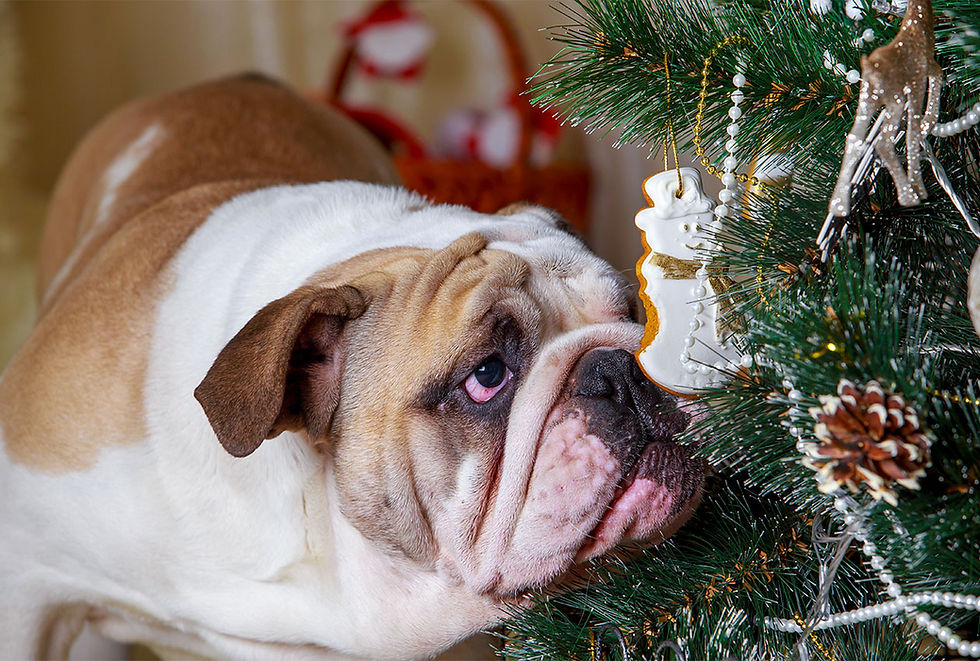
Other holiday plants that are dangerous to dogs
Poinsettias are not the only traditional Christmas plants that can pose a risk to dogs. Be sure to shelf-up, section off, or otherwise limit your dog’s access to the following holiday favorites:
Holiday plants toxic to dogs
Holly and mistletoe are toxic to dogs
Many use this dynamic holiday duo to deck the halls but keep both holly and mistletoe plants safely out of your dog’s path. If your dog ingests holly it can result in severe vomiting, drooling, and diarrhea.
Mistletoe may lead to gastrointestinal upset and in severe cases, cardiovascular issues.
The health risk of Christmas trees to dogs
While Christmas trees themselves are not highly toxic, they still pose risks. Canines who ingest pine needles may experience oral irritation and gastrointestinal issues.
Keep your tree’s water fresh, as stagnant water in the tree stand can develop bacteria and mold, which could harm your dog’s health if they tend to use the base of the tree as their holiday watering hole.
Beware of amaryllis around dogs
Amaryllis is poisonous to dogs. It's another holiday favorite that poses a danger, as ingesting any part of the plant, especially the bulb, can cause vomiting, diarrhea, drooling, and abdominal pain.
When should I contact a VEG emergency hospital for my dog?
While mild symptoms in your dog can often be managed at home, in some situations, professional medical intervention at a VEG animal emergency clinic may be necessary. Example, you’re seeing a reaction, you’re not sure how much of the plant your dog ate, or something just seems off.
If you notice the following in your dog, call or come right in to your nearest emergency pet hospital.
When to see the emergency vet
Dog is having severe symptoms
If your dog exhibits symptoms such as persistent vomiting, diarrhea, difficulty breathing, or seizures, contact VEG animal hospital immediately. These may signal a more serious reaction requiring prompt medical attention.
Your dog’s symptoms are not going away
If your dog’s symptoms are showing lack of improvement within 24 hours or if they worsen, seek veterinary advice from VEG ER for Pets. Prolonged symptoms can lead to dehydration and other complications.
Uncertaint if you should see vet
When it comes to your dog’s health or safety, never wait it out. An urgent care need can turn into a greater emergency faster than you realize. Remember that VEG animal hospitals are open 24 hours a day for your dog’s urgent care and emergency needs.
So, if you are unsure whether a plant your dog has eaten is toxic, err on the side of caution and come see a VEG vet - no appointment needed, simply bring your dog right in.
Keeping a pet-safe home for the holidays
Here are some tips to help keep your pup safe throughout the season. For more holiday tips to keep you pet safe, see our pet-safe holiday decorating blog.
Holiday safety tips for dog parents
Secure decorations around your pet
Keep fragile and small decorations out of reach.
Choose pet-safe ornaments
If you decorate your tree or other areas with holiday ornaments, choose wisely if you have pets! Opt for shatter-proof ornaments to avoid cuts on paws. To avoid tipping of the tree or any other hazard, place ornaments higher on the tree than your pet can reach.
Avoid tinsel
Many people love the sparkle that tinsel brings to a Christmas tree or holiday wreath, but this causes more trouble for pets than it's worth. Dogs and cats will be attracted to the tinsel, and will eventually begin to chew on in. Swallowing tinsel is a health hazard. which can cause intestinal blockages if ingested.
Keep toxic foods out of your dog’s reach
Holiday foods such as chocolate, grapes, raisins, and certain nuts, like macademia nuts, can be toxic to dogs. Store these safely out of reach. It's also important to alert guests to your pet's dietary restrictions, as it's hard to resist hand-feeding people food to begging puppy eyes.
Secure electrical cords for your pet’s safety
Electrical wires and cords from holiday lights and decorations pose a hazard if chewed.
Use cord covers to stop your dog from chewing on them.
Try to run wires along the baseboards of your home and out of your dog’s regular path.
Use electrical tape to secure wires to the floors and other areas.
Contact VEG, your 24-hour emergency pet hospital
The above tips are designed to help keep your dog safe and so you can all enjoy a worry-free holiday season. If you have any concerns about your pet's health or need immediate assistance, call your nearest VEG animal hospital. Our team is here 24/7 including weekends and holidays, to handle any urgent care and emergency needs your dog may need. At VEG, you get to stay with your doggo all throughout treatment, and that’s a comfort to you and your pet!