Updated: Apr 27
We share so much with our canine companions, like sleeping accommodations, snacks and our favorite chair or spot on the couch. Unfortunately, our pups are also vulnerable to their own versions of illnesses we humans get, such as pneumonia. While it’s extremely rare for people to contract canine pneumonia or our pups to catch pneumonia from us, the illnesses share very similar causes and effects.
Pneumonia that is not treated promptly and properly can lead to permanent scarring of the lungs, called pulmonary fibrosis. This can cause permanent and consistent lung damage that impacts your dog’s lung function, resulting in breathing issues, exercise intolerance, and susceptibility to other infections, especially those involving the lungs.
In severe cases, untreated or poorly managed canine pneumonia can lead to sepsis, where the infection spreads throughout the entire body, overwhelming the immune system, resulting in organ failure, often with lethal consequences. This is why if you suspect pneumonia or your dog is showing symptoms, bring your dog to your nearest emergency vet. VEG ER for Pets is open 24/7 to help.

What is pneumonia in dogs?
As with humans, canine pneumonia is an inflammation of the lungs or lower respiratory tract typically due to infection. Air-filled spaces called alveoli in your dog’s lungs, fill with pus and fluid, making it difficult for your pet to breathe. This condition can be quite serious, leading to a lack of oxygen and other health complications, including death, if not treated promptly.
Canine pneumonia is commonly categorized as either infectious pneumonia or aspiration pneumonia. Infectious pneumonia stems bacterial or viral pathogens, aspiration pneumonia can happen when a dog inhales foreign material.
Though these causes are very different, symptoms and treatment are similar for both types of illness.
Types of pneumonia in dogs
What is infectious pneumonia?
Infectious pneumonia includes viral, bacterial and parasitic causes. Bordetella bronchiseptica is one of the bacteria most commonly linked to infectious pneumonia in dogs, easily transmitted among puppies, seniors, brachycephalic breeds (e.g., short-nosed pugs, French bulldogs, Pekinese, etc.) and dogs with compromised immune systems.
Additionally, canine distemper virus, adenovirus types 1 and 2, canine influenza virus, and parainfluenza virus cause damage to your dog’s airways, making them susceptible to developing pneumonia.
What is aspiration pneumonia?
Aspiration pneumonia can occur if your dog, instead of properly swallowing food, liquid, stomach acid, medications, vomit, etc., into the esophagus, accidentally inhales these substances into the lungs, which may happen if they have an abnormality of their pharynx, or if a neuromuscular disorder affects their respiratory system.
Dogs with weakened immune systems, chronic vomiting or regurgitation and brachycephalic breeds are also susceptible to aspiration pneumonia. Be aware that aspiration can also happen when a dog:
Has a seizure
Is under anesthesia or sedation
Has been force-fed food or medications
Has had a near-drowning incident
Is a puppy that has been incorrectly bottle-fed
Think your dog has pneumonia?
Don’t force food, water, or medication
Don’t delay care to “see if it improves overnight”
Don’t attempt home oxygen or steam therapy
Always contact your emergency vet if you think your dog has pneumonia.
Symptoms of pneumonia in dogs
Understanding that pneumonia can show up in various ways is key to identifying this illness. Below are some common symptoms of pneumonia that dogs may display followed by more detailed description of why these symptoms are serious.
Weight loss
Respiratory problems
Blue or pale gums
Lethargy: early indicator of canine pneumonia
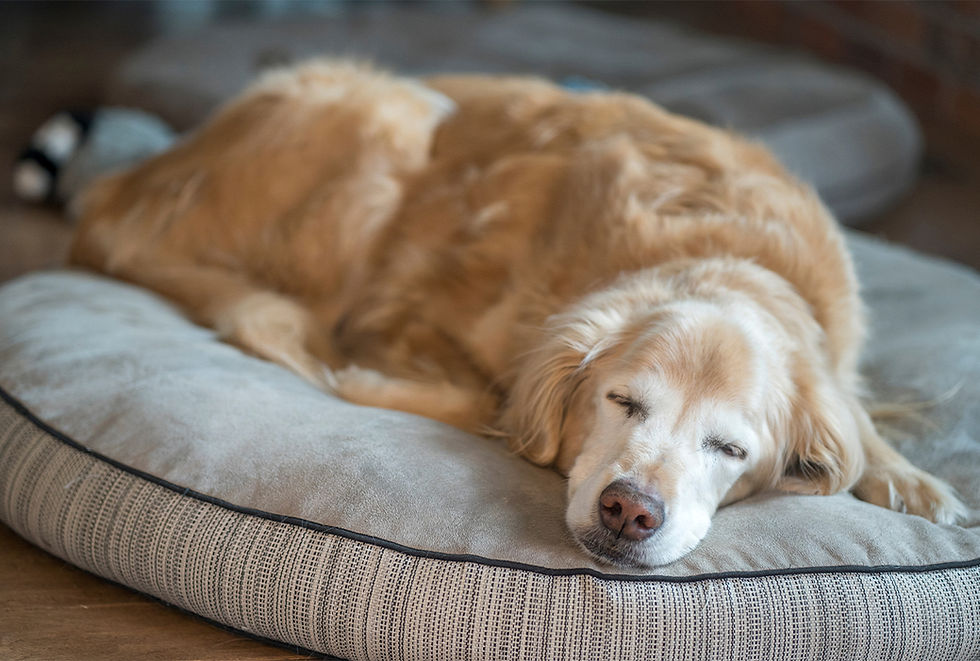
One of the earliest signs of pneumonia in dogs is lethargy, which can be easy to overlook (we all have our lazy days!), but true lethargy in your pet comes across as a noticeable drop in your pup’s energy, activity, and enthusiasm.
Along with sleeping more, they may move more slowly, lose their appetite, or be disinterested in going for walks or playing. They may be disinterested in being with family members, or conversely, be especially clingy.
Weight loss: a common sign of pneumonia
A sudden decrease in appetite and subsequent weight loss can be a common sign of canine pneumonia. Dogs battling pneumonia often don’t have the energy or feel well enough to eat, leading to weight loss.
Dog has a fever? It could be pneumonia
Like most infections, pneumonia can cause a rise in your dog’s body temperature. Dogs normally have a body temperature of 100.0°F to 103.8°F, so anything above 103°F is generally considered a fever.
A dog with a fever may display:
Red or glassy eyes
Warm ears
Runny nose
If you’re concerned your pup may have a fever, don’t hesitate to take him to VEG emergency dog hospital, we're always open and ready to help your dog's symptoms. You can also ask your vet to show you how to monitor your pet’s temperature at home, if you’d like.
Respiratory problems could indicate pneumonia in a dog
Dogs with pneumonia often struggle with breathing. They may appear to be working harder to breathe, exhibit shallow and/or mouth breathing, or have an increased respiratory rate. Cheek puffing is another common sign of having a hard time breathing.
In severe cases, dogs may also pant incessantly, even at rest. Check to see if there is a bluish tint to their gums or tongue, which is a sign of inadequate oxygen levels and warrants immediate veterinary attention (head straight to your nearest VEG pet hospital location.
Persistent coughing: a tell-tale sign of pneumonia
A persistent cough, particularly a dry, hacking one that doesn’t seem to bring any relief to your dog, is a classic sign of pneumonia. The cough might become more severe after physical activity or when your dog is lying down. This requires immediate attention, so bring your dog to VEG emergency vet hospital as soon as possible.
Pale or blue gum color in dogs is a medical emergency
Check your dog’s gums. They should be a healthy pink color. If they’re pale or blue, this is an indication of a critical lack of oxygen, indicative of a life-threatening emergency. Get to your nearest VEG pet hospital immediately.
How our vet diagnoses a dog for pneumonia
When you bring your pup in if you suspect pneumonia, here are the steps your vet will take to determine a diagnosis. We'll discuss each step our ER vet takes.
Physical exam
Chest x-rays
Blood testing
Bronchoscopy and tracheal wash
Steps the vet will take to determine pneumonia
Physical exam for your dog
The first step includes a thorough physical examination by the vet. This involves listening to your dog’s chest for abnormal lung sounds and checking for other signs of illness like fever, nasal discharge, or increased heart rate.
Chest x-rays
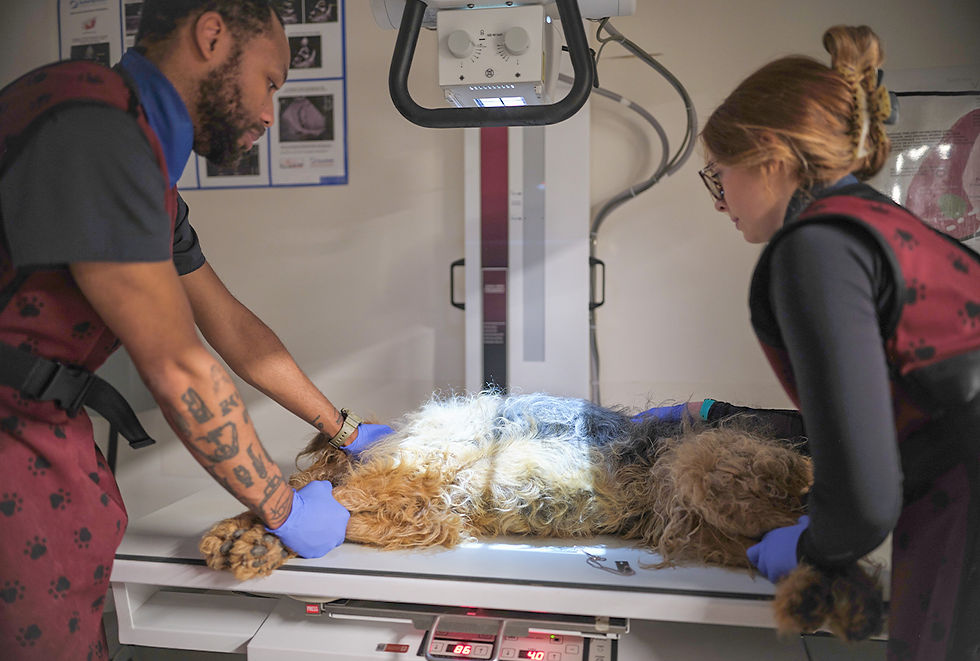
If the veterinarian suspects pneumonia, they will likely recommend a chest x-ray. This radiographic examination can reveal inflammation in the lungs and help differentiate pneumonia from other respiratory diseases. Physical examination findings can make your vet suspect pneumonia, but x-rays are crucial to make a determination.
Blood tests for your dog
Blood tests are used to confirm the presence of infection and can provide information about your dog’s overall health. Elevated white blood cell counts can indicate an infection, while other blood test findings can give your vet a more thorough picture of your dog’s hydration status and other health markers.
4. Bronchoscopy and tracheal wash: the advanced diagnosis
In some cases, more advanced diagnostic tests may be necessary, which generally would mean referral to a specialty hospital.
Bronchoscopy
A bronchoscopy involves inserting a small camera into the airways to visualize the interior surfaces of the respiratory tract.
Tracheal wash
A tracheal wash, on the other hand, collects fluid from the lower airways for analysis. Both can help identify the specific cause of pneumonia.
Treating pneumonia in dogs
Any kind of breathing problem you see in your dog should be considered an emergency that needs immediate treatment. Pneumonia can worsen quickly - in just a few hours - and respiratory distress can damage multiple organs (sometimes permanently) due to lack of oxygen. Don’t hesitate - bring your dog to your nearest emergency vet hospital like VEG at the first sign of concern.
How our vet will treat pneumonia
Antibiotics: the first line of defense to treat canine pneumonia
Antibiotics are usually the first line of defense against bacterial pneumonia. Depending on the type of infection, antifungal or antiviral medications might also be prescribed. If your dog isn’t eating or the pneumonia is severe, your vet will be more likely to recommend hospitalization and intravenous antibiotics versus oral antibiotics at home.
Hospitalization and supportive care for dog with pneumonia
Dogs with severe pneumonia often need hospitalization, especially when they aren’t eating at home. This allows vets to closely monitor your pet and provide supportive care, like intravenous fluids to maintain hydration and nutrition, and regular physical therapy to promote coughing and clearance of the lungs.
Oxygen therapy to treat dog with pneumonia
Dogs with significant breathing difficulties may need supplemental oxygen. This therapy can dramatically improve your pet’s comfort and ability to breathe while their body fights the infection.
The road to recovery: post-treatment care for pneumonia in dogs
Once your dog is home, it’s crucial to continue all prescribed medications, restrict exercise, and monitor for any worsening of symptoms. Depending on the type of pneumonia, your vet may recommend keeping your dog away from other dogs for a period of time to prevent the spread of disease. Regular follow-up appointments are essential to ensure the pneumonia is resolving.
Pneumonia prevention methods for dogs
While not all cases of pneumonia can be prevented, taking the following steps can help to reduce the risk significantly.
Ways to help prevent pneumonia in dogs
Vaccination
Keep up to date on all recommended vaccinations, especially those for respiratory diseases like canine influenza, distemper, and Bordetella (kennel cough).
Proper hygiene for your dog
Prevent bacterial/fungal growth by ensuring a clean living environment for your dog. This includes daily washing of food and water bowls, plus regular washing of bedding, toys, leashes, collars and coats.
Good nutrition
A strong immune system is essential to help your dog fend off infections, and a healthy, balanced diet is one of the best ways to help ensure this.
Protect your pup from sick animals
Steer clear of dogs showing signs of respiratory illnesses, especially in boarding facilities, dog parks, or other places where dogs congregate.
Manage your dog's environment
If your dog has a history of vomiting or regurgitation, speak to your vet about protocols to help prevent aspiration pneumonia such as feeding smaller, more frequent meals and avoiding exercise after eating. Ensure brachycephalic breeds have a cool, stress-free environment to avoid breathing difficulties that can lead to pneumonia.
Schedule regular vet check-ups
Regular check-ups and wellness visits can help prevent and detect early signs of respiratory problems, and provide prompt intervention before pneumonia develops. Your vet can also provide preventive measures tailored to your dog’s specific health needs.
VEG ER for Pets - 24/7 vet care when your pet needs it most
At VEG ER for Pets, our experienced team of animal healthcare professionals is available around the clock to provide urgent care for your pets. If your dog shows signs of pneumonia, don’t hesitate to reach out to your nearest VEG 24-hour dog hospital for your pet’s care and your peace of mind.
Pneumonia is a life-threatening illness that requires immediate professional care. Don’t delay or “wait to see if things get better.” VEG’s emergency vet staff will work to help you and your pet both breathe easier as soon as you step through the door.