At VEG ER for Pets, we unfortunately see pets who experience near-drowning. What pet parents don’t always realize is that some cases can become fatal as secondary symptoms develop. This article is filled with important information about water hazards for dogs and what to do if your pet gets in over their head.
Remember, bring your dog to the nearest VEG emergency vet hospital if your dog was in a near-drowning incident. Timing can make all the difference.
Common water hazards and high-risk dog breeds
Any body of water that is deep enough to submerge a dog’s mouth and nose for any period of time is considered a drowning risk in dogs. That includes everything from buckets, kiddie pools, and bathtubs to ponds, pools, and, of course, the ocean. Even though most dogs instinctively know how to swim or “doggie paddle,” they are still at risk around large bodies of water, especially swimming pools, because the ways out are not always pet-friendly and they may not understand where they are.
One way to avoid this, besides monitoring your dog around and in bodies of water, is teaching them where the pool exit (stairs, ramp, etc.) is. That way, they’ll know where to head to avoid exhausting themselves and running the risk of a near-drowning experience.
Dog breeds at increased risk for drowning
While near-drowning can happen to any dog, some breeds, like brachycephalic dogs are at an increased risk due to their narrow airways. These include:
Bulldogs
Lhasa Apsos
Pugs
Shih Tzus, etc.

Dog drowning and near-drowning: what to do
Prognosis for survival from water submersion or near-drowning can vary depending on a number of factors, including:
If your pet was submerged, and for how long
What kind of water was involved (fresh water, salt water, or chemically treated water)
The temperature of the water (colder water increases hypothermia risk)
Whether a medical event caused them to fall into the water
Additionally, pets that recover from near-drowning may develop secondary complications 24–48+ hours later, so it's important to follow up immediately with a veterinarian and closely monitor your pet after the incident, as any fluid in your dog’s lungs can lead to pneumonia, brain damage, and even organ failure.
If your dog is found submerged underwater, get them out of the water and place them on their side on a flat surface, away from the water. Immediately call VEG and prepare to bring your dog to your nearest location. Be sure to tell us about the near-drowning and whether your dog is breathing or awake. Also, let us know if your dog has any medical conditions that may have contributed to the incident, such as seizures, fainting disorders, or cardiac arrhythmias, or weakness from medical conditions like diabetes.
Most pets that have been submerged in water will need oxygen support, and VEG hospitals have oxygen cages ready for this type of situation.
Here are some things you can do immediately after removing your dog from the water to improve their prognosis before bringing them to the emergency room.
Steps to take if your dog is found in water
Place the dog on its side
Check breathing and pulse
Remove any debris from your dog’s airway
Start CPR if your dog is not breathing (mouth-to-muzzle resuscitation may be necessary)
Keep their head/neck extended to prevent or drain fluid from collecting in the lungs
As you prepare to bring them to the ER, wrap your dog in a blanket to keep in their body heat and stave off hypothermia. Before you leave, make sure you have secured the water source so no other animals fall into it.
How do I know if my dog is drowning?
If your dog has been submerged in water for any amount of time, call VEG immediately. It’s critical that you monitor your pet for the following possibly life-threatening signs and symptoms of drowning and near-drowning in dogs:
Coughing or gagging (possibly with foam or pink fluid)
Rapid or labored breathing, or apnea (not breathing)
Blue or pale gums (indicate low oxygen)
Lethargy, collapse, or unconsciousness
Lower than normal body temperature
After a near-drowning incident, even if your dog appears to be recovered and seems to be acting fine, you still need to bring them into an ER. In fact, all animals who are submerged, even for a few seconds, should go to the ER because fluid in the lungs can lead to difficulty breathing, bacterial infections, pneumonia, and other illnesses as well.
There is also a chance that your pet wasn’t breathing before they fell into the water due to a medical emergency, such as low blood sugar, heart issue, seizure, blood clot, or other trauma to their body, so it’s important to get your pup looked at by a vet after any near-drowning event.
Veterinary treatment for minor near drowning incidents
In a case where your pet was underwater for a short time or if you aren’t sure if they had their head submerged underwater, you should ABSOLUTELY take your dog to your nearest VEG emergency hospital for evaluation. Depending on the initial triage and exam, you can likely expect your dog to be monitored overnight or for at least 6-8 hours.
We’ll watch for secondary respiratory complications that can be delayed in their onset. We will monitor for breathing difficulty and heart rate and check for any blue or purple discoloration of their gums indicating low blood oxygen saturation.
Emergency care for severe dog drowning cases
We can’t mince words here: if a dog is found in critical condition or near death after a drowning or near-drowning incident, the prognosis is typically quite poor. When you bring your dog to your closest VEG, it’s likely that CPR or critical emergency measures would be used to stabilize your pet, including: intubation (breathing tube), oxygen supplementation, initiation of CPR, and/or administration of medications to assist in breathing.
Almost all these measures are going to take place within minutes of getting to the ER and likely done before any diagnostic testing, such as x-rays.
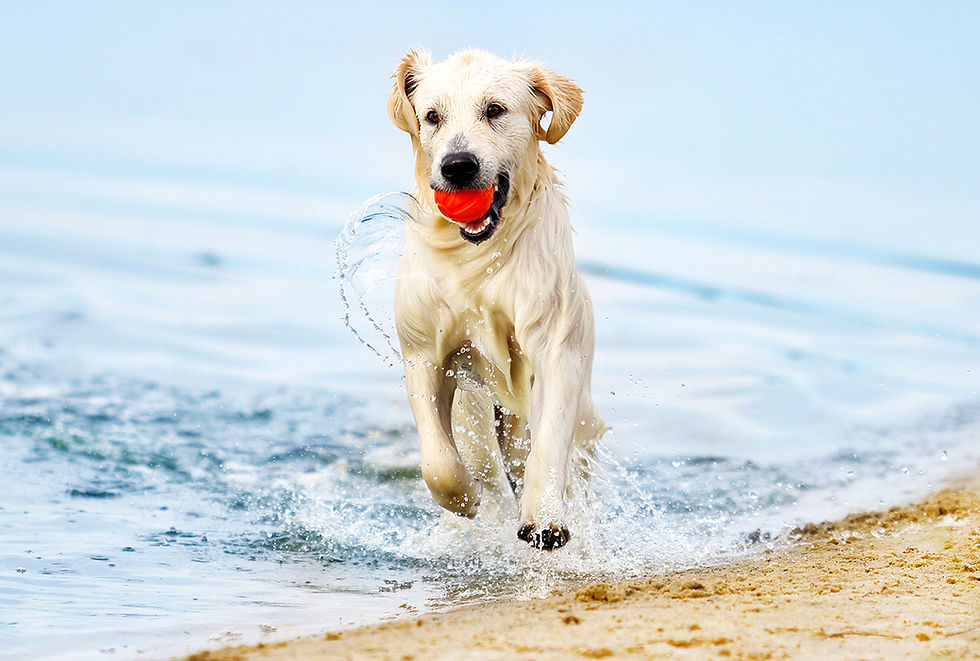
5 essential water safety tips for dog parents
Whether your dog is allowed in the pool or just lounges poolside, nothing replaces constant supervision to ensure safety. In addition to supervision, we recommend these five vital tips for keeping your dog safe around water.
Train your dog to know where the stairs are. A dog trying to get out of the pool will look to the nearest section of the pool for a possible exit.
A highly rated pool alarm or wearable pet water sensor can help alert you if your pet has fallen in.
Set up a safety fence around the pool that has a pet-proof gate.
Whether poolside, at the beach, or on a boat, a fitted life jacket is a good investment. It can keep your pet’s head above water until you help them out of the water.
Sign your dog up for swim lessons to strengthen their natural instinct and skills.
Contact your local VEG for all pet emergencies
Call your nearest VEG ER for Pets animal hospital if your pet needs emergency or urgent care from a drowning incident or other medical issue. We have hospitals all over the country with emergency vets who are available 24/7 to help you and your pet. When you come to VEG, our emergency-trained team will triage your pet within seconds, and you can stay with your furry friend the entire time.


