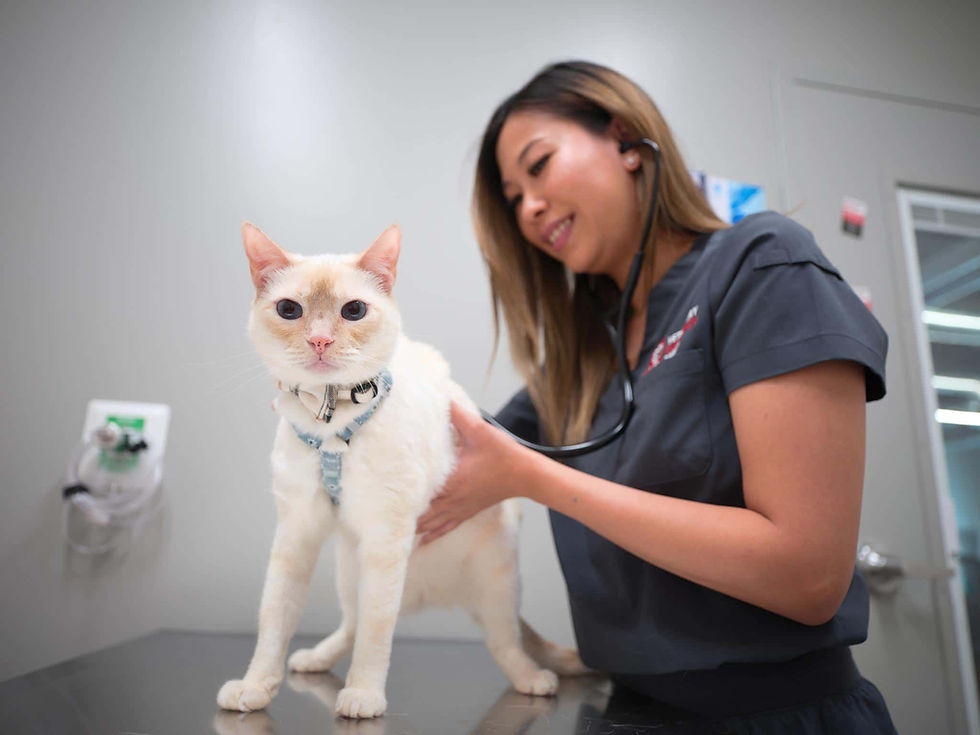
As an attentive cat parent, you may notice if your cat has shed a few pounds without any significant change to their diet or activity level. When this happens, you no doubt will have concerns and want to speak to a vet. VEG ER for Pets is open 247 to answer your questions if you’re worried about your cat.
Some of the most common questions we get from pet owners when they notice their cat becoming thinner include:
Why is my cat losing weight but still eating?
Why is my older cat losing weight?
Can a cat be sick if they are losing weight but acting normal?
In this article, we’ll explore possible causes for weight loss in cats, what is considered normal body weight in cats, and when a cat’s weight loss is an emergency that should be seen by an ER vet.
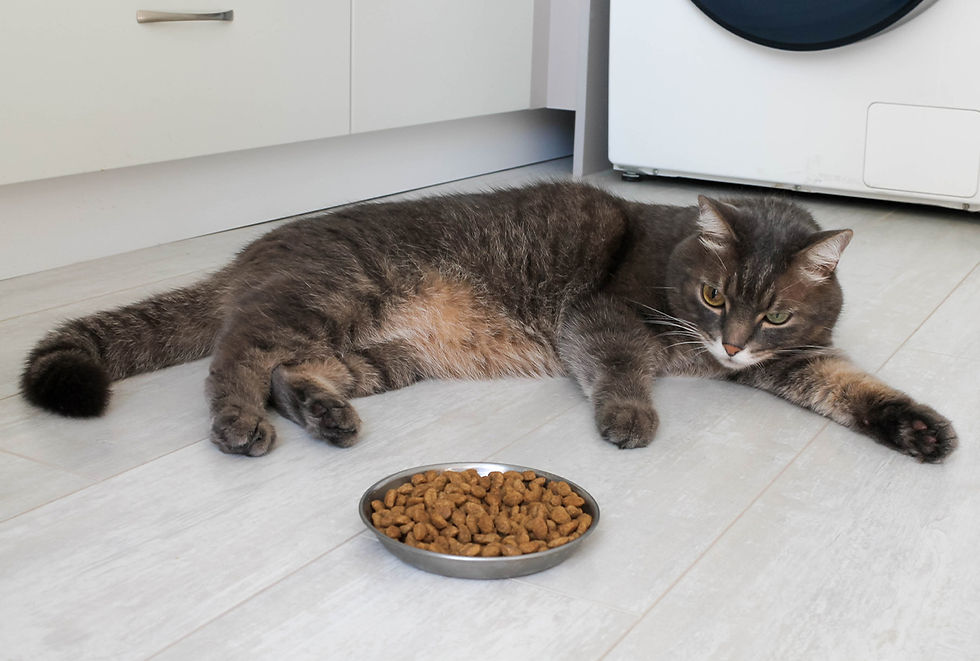
Why is my cat losing weight?
Causes of weight loss in cats can vary from relatively manageable problems with obvious symptoms such as diabetes and dental disease, to more complicated illnesses like cancer which may produce few obvious symptoms but require prompt treatment.
Cats may also lose weight as they age, although unintentional weight loss in senior cats is not considered a normal part of getting older.
The significance of weight loss in cats depends on how quickly the cat is losing weight, whether they are eating, and what other signs and symptoms are present. They could be losing weight simply because their caloric intake or activity level isn’t enough. But a cat that is losing weight rapidly, losing weight despite a normal or increased appetite, or showing additional changes in behavior, thirst, urination, vomiting, diarrhea, or energy level may need emergency veterinary attention sooner rather than later.
In this blog, we'll look at what these different patterns of weight loss can mean, what other signs to watch for, and when it's time to bring your cat to your nearest VEG ER for Pets.
How much should my cat weigh?
There isn’t one ideal weight for every cat. A healthy weight depends on your cat’s breed, body frame, age, sex, and body composition. Two cats can weigh the same amount while having very different amounts of muscle and body fat—and two cats of the same breed may have different healthy weights.
Your veterinarian can assess your cat’s Body Condition Score, muscle condition, and overall health and help determine an appropriate target weight for that individual cat.
Body Condition Score (BCS) for Cats
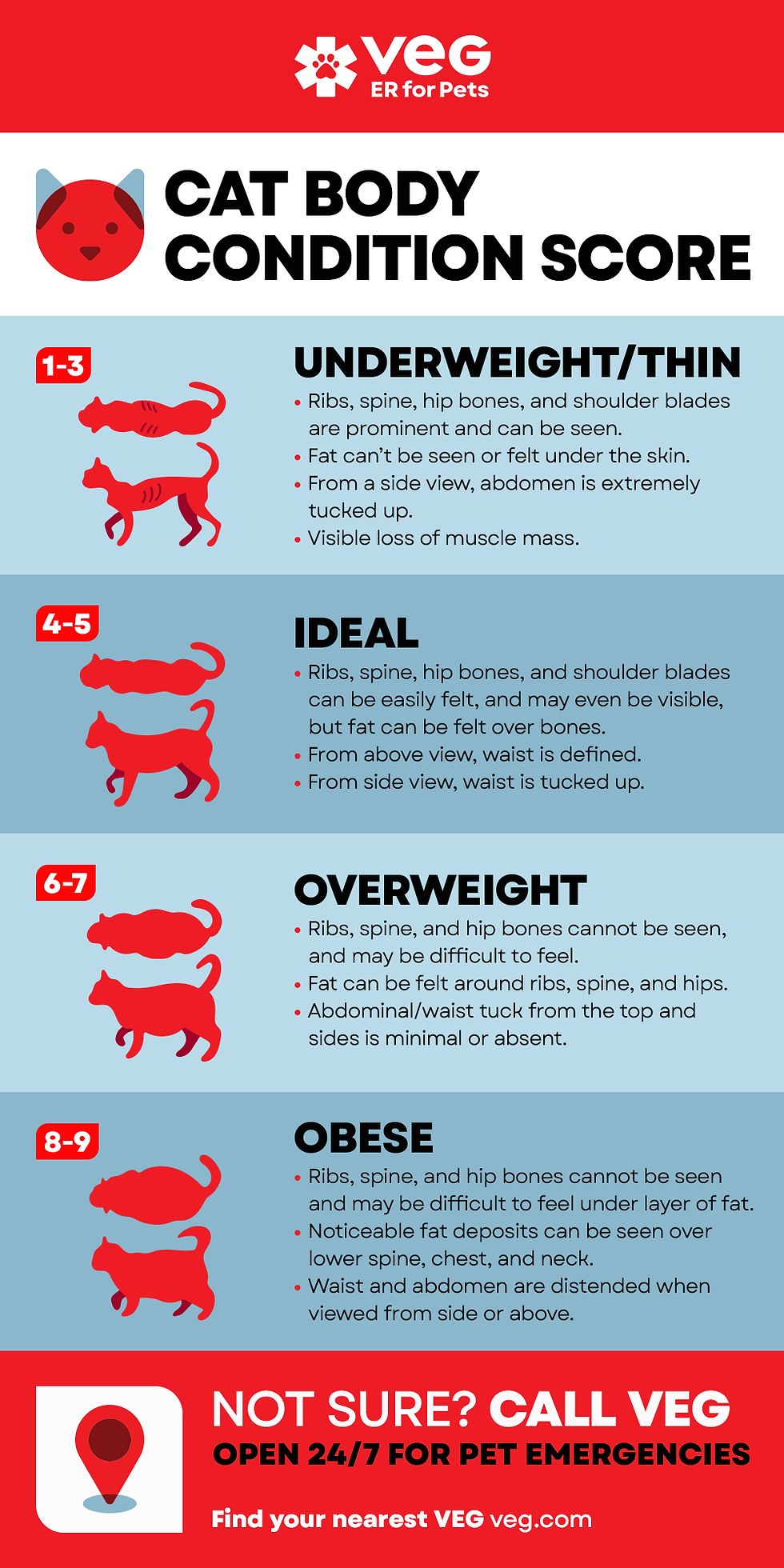
Veterinarians often use Body Condition Score to assess whether a cat is underweight, at an ideal body condition, overweight, or obese. BCS focuses on your cat’s body shape and how much fat is covering key areas, rather than relying on the number on the scale alone.
For a cat in an ideal body condition, you should generally be able to:
Feel the ribs: The ribs should be easy to feel with a light covering of fat. They shouldn’t be buried under a thick layer of fat, but they also shouldn’t be sharply visible or prominent.
See the waist: Looking from above, there should be a noticeable narrowing behind the rib cage.
Check the abdomen: From the side, the abdomen should slope upward toward the hind legs rather than hanging heavily or appearing markedly tucked.
Feel the spine and hips: These bones should be reasonably easy to feel without being excessively prominent or sharply visible.
If your cat’s ribs, spine, or hip bones are very prominent, they may be underweight. If the ribs are difficult to feel and there is little or no visible waist, your cat may be carrying excess body fat.
What counts as concerning weight loss?
Gradual changes to your feline friend’s weight can be difficult to see, especially if your cat has longer hair or if you do not routinely weigh your pet. Signs that your cat might be losing weight include a more prominent spine, hips, or ribs; a less muscular appearance; a looser-fitting harness or collar; or changes in body shape.
Don’t rely on your cat's appearance alone
Periodic weight checks at home are a helpful way to track your pet’s weight over time. Keep a record of your cat’s weight and look for trends over time. Because cats are relatively small animals, even a seemingly small change in weight can represent a meaningful change in body mass. Bring your cat to your nearest VEG if you notice any unexplained or ongoing weight loss.
Common causes of weight loss in cats
Hyperthyroidism in cats
Hyperthyroidism is particularly common in older cats and can cause noticeable weight loss. The condition occurs when the thyroid glands produce too much thyroid hormone, which can speed up the body's metabolism. As a result, a cat may lose weight even while eating normally or having an increased appetite.
Possible signs of hyperthyroidism in cats include:
Restlessness
A faster heart rate
Diabetes in cats
Diabetes can cause a cat to lose weight despite eating normally or even eating more than usual. When the body cannot properly use glucose for energy, it begins using stored fat and muscle instead, which can contribute to weight loss. This is usually accompanied by increased thirst and urination.
Cat kidney disease
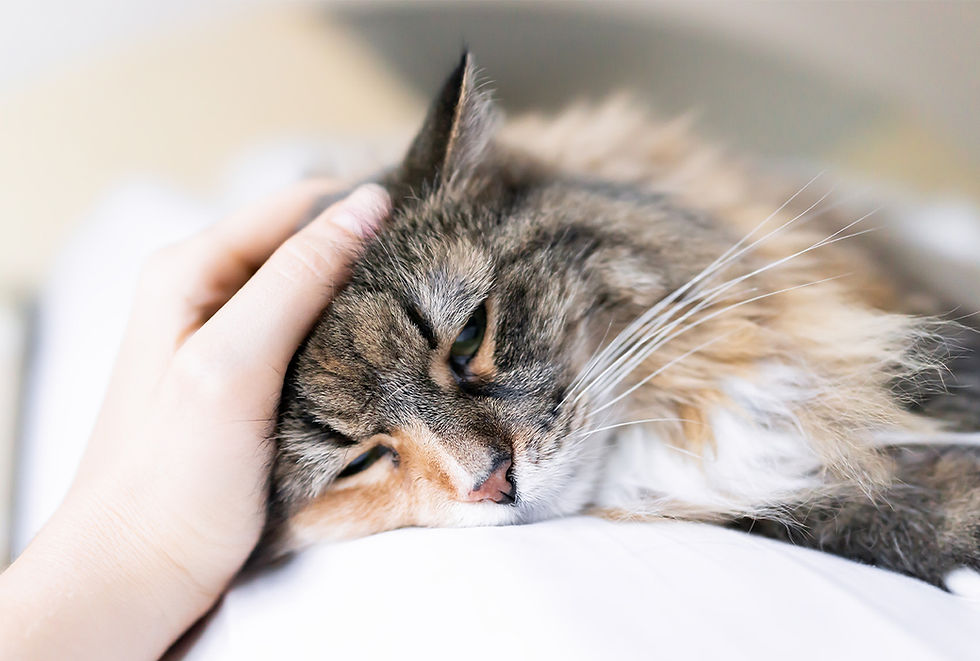
Common in senior cats, kidney disease may cause gradual, sometimes subtle weight loss. In the early stages of chronic kidney disease, a cat may still appear relatively normal, making changes easy to overlook.
Possible signs of kidney disease in cats include:
Gastrointestinal disease and poor nutrient absorption in cats
Problems affecting the stomach or intestines can make it harder for a cat to properly digest food or absorb the nutrients they need. As a result, a cat may lose weight even if they are still eating normally.
Possible symptoms of gastrointestinal disease or poor nutrient absorption in cats include:
Changes in stool
Weight loss despite eating
Possible causes include inflammatory intestinal diseases or intestinal parasites (especially in kittens and outdoor cats), which can interfere with normal digestion and nutrient absorption. Intestinal cancers can also cause similar symptoms, although there are many other, more common or less serious reasons a cat may develop gastrointestinal problems and lose weight.
Dental or oral disease in cats
Some cats hide oral pain remarkably well, so it may be difficult for you to tell if your cat is losing weight due to dental or oral disease. A cat experiencing dental or oral disease may approach food normally but have difficulty chewing because of painful teeth or gums.
Possible signs of dental or oral disease in cats:
Dropping food
Chewing on one side
Bad breath
Drooling
A preference for soft food
Cancer and other systemic illnesses in cats
Cancer and other chronic illnesses can sometimes cause unexplained weight loss in cats. These conditions may affect appetite, digestion, nutrient use, or the body's metabolism. However, weight loss alone does not mean a cat has cancer. There are many possible causes, including conditions that may be treatable or manageable.
Why is my older cat losing weight?
Older cats deserve particular attention because chronic health conditions become more common with age. Cats in their senior years have higher prevalence of conditions associated with weight loss, like:
Hyperthyroidism
Chronic kidney disease
Diabetes
Dental disease
GI disease
Cancer
It’s important to keep up with routine vet visits as your cat ages. A full examination will include weight loss monitoring so any significant changes in weight can be observed and addressed.
Why is my young cat losing weight?
Kittens and young cats are extremely active, but don’t discount any noticeable weight loss.
Potential causes for weight loss in young cats
No matter your cat’s age, any unexplained weight loss isn’t normal and should be addressed by your veterinarian.
When does weight loss in cats require emergency vet care?
It’s important to note that weight loss in cats does not always require emergency care. However, if a cat losing weight develops sudden or severe symptoms, bring your cat to your nearest VEG emergency animal hospital.
Seek emergency veterinary care for your cat if weight loss is accompanied by signs such as:
Difficulty breathing or significant breathing changes
Lethargy, collapse, severe weakness, or inability to stand normally
Repeated or severe vomiting
Severe or bloody diarrhea
A cat that suddenly stops eating, especially if they are already unwell
Severe dehydration; changes in thirst
Significant abdominal pain or distress
Pale, blue, gray, or yellow-tinged gums
Seizures, disorientation, or other sudden neurological changes
Straining to urinate or inability to produce urine, particularly in a male cat
If your cat is experiencing gradual weight loss without acute symptoms, you may want to check in with your primary care vet instead of an emergency vet. Your veterinarian can investigate the underlying cause and recommend appropriate treatment.
VEG animal hospitals are open 24/7 for every cat emergency
If your cat is experiencing unexplained weight loss, it’s worth investigating—even if your cat continues eating or otherwise seems normal. Tracking your cat’s weight and noticing changes early can help you seek appropriate care before additional symptoms develop.
If weight loss occurs with sudden or severe symptoms, bring your cat to your nearest VEG emergency veterinary hospital location. At VEG, you’ll be seen by a member of our team right away, and you never have to leave your cat’s side.