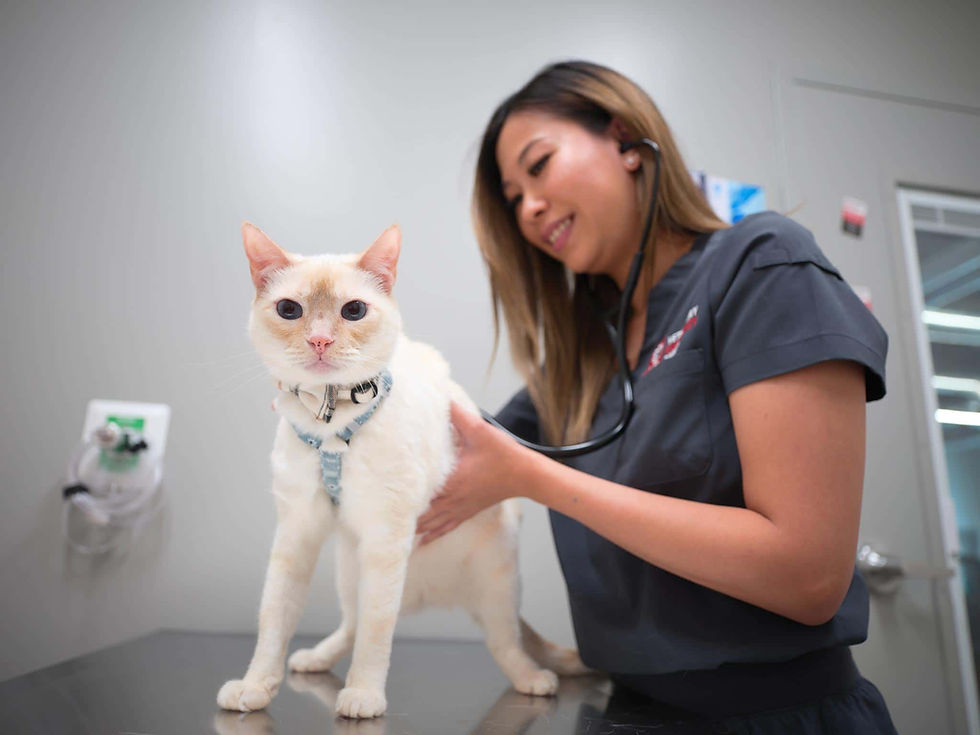
Kidney disease is one of the most common health conditions affecting cats, particularly as they get older. If you've noticed your cat drinking more water, losing weight, or acting differently than usual, it's understandable to be concerned.
Knowing the difference between the expected signs of kidney disease in cats and the symptoms of a medical emergency can help you act quickly if your cat's condition suddenly gets worse - early detection and intervention can greatly help improve their chances of recovery, as well as preventing kidney failure. Below, we'll explain the signs of kidney disease in cats, what causes it, and when it's time to call VEG ER For Pets.
What is kidney disease in cats?
Your cat's kidneys perform several essential jobs that keep the body functioning properly. They filter waste products from the bloodstream, remove excess water through urine, maintain healthy electrolyte and fluid balance, help regulate blood pressure, and support red blood cell production.
When the kidneys are damaged, these important functions begin to break down. Waste products and toxins can build up in the bloodstream, hydration and electrolyte levels become unbalanced, and other organs may also be affected.
Types of kidney disease in cats
Not all kidney disease is the same - depending on the cause and severity, kidney disease may develop slowly over time or occur suddenly as a medical emergency. Understanding the differences can help explain why some cats need emergency treatment while others are managed long term.
Chronic kidney disease (CKD)
Chronic kidney disease (CKD) is a gradual, progressive loss of kidney function that develops over months or years. It is especially common in senior cats and is one of the most frequently diagnosed conditions in older felines.
Because CKD develops slowly, many cats continue to feel relatively well in the early stages. With regular monitoring, prescription diets, medications, and supportive care from their veterinarian, many cats can maintain a good quality of life for an extended period. However, cats with chronic kidney disease can experience sudden declines in function or complications that require emergency care.
Acute kidney injury (AKI) or kidney failure
Acute kidney injury, sometimes called acute kidney failure, happens when the kidneys suddenly have a significant decrease in function over the course of hours or days. Unlike chronic kidney disease, acute kidney injury is considered a medical emergency and requires immediate veterinary treatment.
Acute kidney injury may be caused by exposure to toxins, severe dehydration, infections, or urinary obstruction. In some cases, fast treatment can allow the kidneys to recover partially or even completely, making early intervention especially important.
Why do so many cats get kidney disease?
Kidney disease is one of the most common health conditions diagnosed in cats, especially those over the age of 10. While vets don't always know exactly why an individual cat develops kidney disease, aging itself plays a significant role. Over time, the kidneys naturally become less efficient, and because kidney tissue has limited ability to regenerate, damage can gradually build up throughout a cat's life.

Common causes of kidney disease in cats
Aging
As cats get older, their kidneys naturally become less efficient. Years of normal wear and tear can eventually lead to chronic kidney disease.
Genetics
Some cats are born with conditions or genetic traits that make them more likely to develop kidney disease, sometimes at a younger age than expected.
High blood pressure
High blood pressure can damage the delicate blood vessels inside the kidneys, limiting their ability to filter waste from the bloodstream.
Infections
Certain bacterial or viral infections can inflame or damage the kidneys, leading to temporary or permanent loss of kidney function if left untreated.
Toxins
Cats are especially sensitive to substances that can damage the kidneys, including lilies, antifreeze, and some household chemicals. These can cause sudden kidney failure and require immediate emergency veterinary care.
Dental disease
Severe dental disease can allow bacteria from the mouth to enter the bloodstream and trigger inflammation throughout the body. Over time, this ongoing inflammatory response, along with the effects of circulating bacteria, may contribute to kidney damage.
Underlying illness
Conditions such as hyperthyroidism, diabetes, heart disease, or cancer can place additional stress on the kidneys.
Untreated urinary tract infections (UTIs)
An untreated UTI can spread to the kidneys, causing a serious infection. Conversely, cats with chronic kidney disease are also at a higher risk of developing UTIs, making prompt diagnosis and treatment especially important.
Stages of cat kidney disease: symptoms and treatment
Stage 1: Early detection
In the earliest stage, cats often appear completely healthy or show only very subtle changes that can be easy to miss. Kidney function has started to decline, but the kidneys are still able to perform most of their essential jobs.
Stage 1 Symptoms
Urinating a little more than usual
Mild weight loss
Occasional decreased appetite
Stage 1 Treatment
Many cats in this stage don't require intensive treatment, but regular monitoring is essential. Your vet may recommend routine bloodwork and urine testing, encouraging hydration, and managing any underlying conditions such as high blood pressure. Early intervention can help slow the progression of kidney disease.
Stage 2: Kidney disease is present
As kidney function continues to decline, symptoms become more noticeable. Cats may still feel well much of the time, but owners often begin to recognize changes in their daily habits.
Stage 2 Symptoms
Increased thirst and urination
Weight loss
Decreased appetite
Occasional vomiting
Mild lethargy
Stage 2 Treatment
Cats in this stage are often started on a prescription kidney diet, which can help slow disease progression. Your vet may also recommend medications to control blood pressure, reduce protein loss in the urine, manage nausea, or support hydration. Regular monitoring helps guide treatment as the disease changes.
Stage 3: Severe kidney disease
By this stage, the kidneys have lost much of their ability to filter waste products effectively. Toxins begin to build up in the bloodstream, and cats often experience more noticeable symptoms that require ongoing medical management.
Stage 3 Symptoms
Significant weight and muscle loss
Decreased appetite or refusing to eat
Frequent vomiting or nausea
Increased lethargy and sleeping more than usual
Bad breath with an ammonia-like odor
Changes in behavior, such as hiding or seeming less interested in normal activities
Stage 3 Treatment
Treatment for this stage focuses on supporting kidney function, managing symptoms, and maintaining quality of life. Your vet may recommend a prescription kidney diet and medications to control nausea and stimulate appetite. Many cats also benefit from fluid therapy. If a cat experiences a sudden worsening of symptoms, such as severe dehydration, persistent vomiting, or a refusal to eat, emergency vet care may be needed.
Stage 4: Advanced kidney disease (Kidney failure)
Stage 4 is the most advanced stage of kidney disease. At this point, the kidneys have very limited ability to perform their normal functions, and waste products can build up quickly in the body. Cats in this stage often require intensive supportive care and close monitoring to help maintain comfort and quality of life.
Stage 4 Symptoms
Severe loss of appetite or complete refusal to eat
Persistent vomiting or diarrhea
Severe weight and muscle loss
Extreme lethargy or weakness
Mouth ulcers
Bad breath caused by toxin buildup
Difficulty walking or standing
Confusion, disorientation, or changes in behavior
Stage 4 Treatment
At this stage, treatment is focused on managing symptoms, preventing complications, and keeping cats as comfortable as possible. Care may include fluid therapy, medications to control nausea and vomiting, and blood pressure control. Some cats may require hospitalization for IV fluids and intensive monitoring, especially if they experience a sudden decline.
How veterinarians diagnose kidney disease in cats
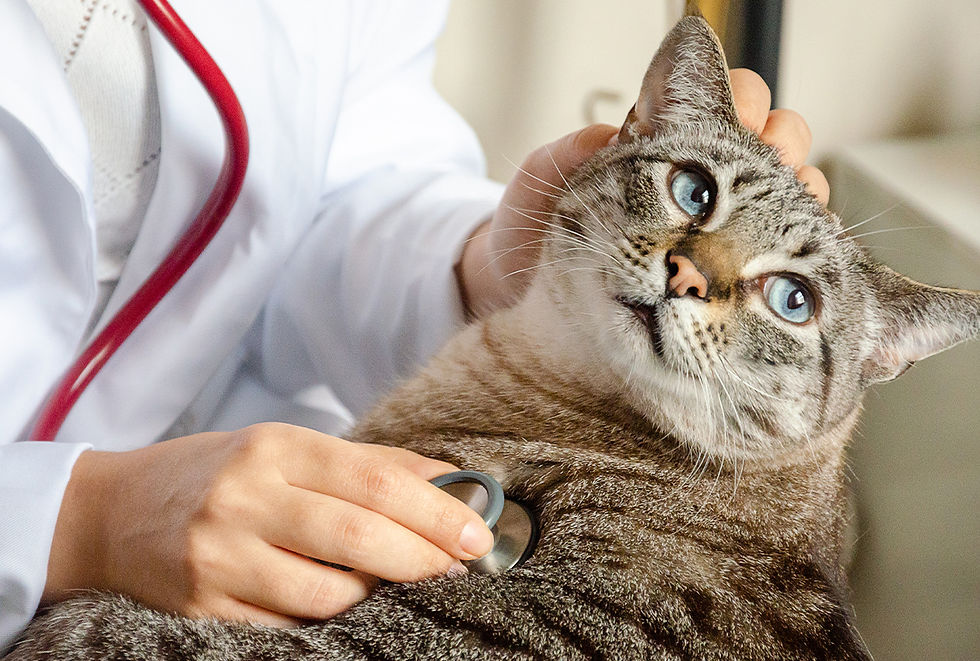
Because cats are skilled at hiding signs of illness, kidney disease is often diagnosed through a combination of testing rather than symptoms alone. Your veterinarian will use several tools to evaluate kidney function, determine the severity of disease, and identify any complications.
Physical exam
Your veterinarian will check your cat’s weight, hydration, blood pressure, body condition, and overall health for signs that may indicate kidney problems.
Bloodwork
A chemistry panel can measure kidney values, including creatinine and blood urea nitrogen (BUN), and identify related concerns such as electrolyte imbalances, anemia, or elevated phosphorus levels. Your veterinarian may also check SDMA (symmetric dimethylarginine), a biomarker that can help detect early changes in kidney function.
Urinalysis
Testing your cat’s urine helps evaluate how well the kidneys are concentrating urine and can detect issues such as infection or protein loss.
Additional testing
Depending on your cat’s condition, your veterinarian may recommend imaging, such as X-rays or ultrasound, to look for kidney abnormalities, urinary blockages, or other underlying problems.
When does kidney disease become an emergency?
Many cats with chronic kidney disease can be managed with regular veterinary visits, medications, and supportive care. However, kidney disease can sometimes worsen quickly or lead to serious complications that require immediate treatment.
Seek emergency veterinary care if your cat with kidney disease shows any of the following signs:
Repeated vomiting or inability to keep food or water down.
Ongoing vomiting can quickly lead to dehydration and dangerous electrolyte imbalances, especially in cats with compromised kidney function.
Sudden loss of appetite or refusing to eat.
A cat that stops eating may become seriously ill, and prolonged appetite loss can lead to additional complications.
Extreme lethargy, weakness, or collapse.
These may indicate toxin buildup, severe dehydration, electrolyte abnormalities, or other serious complications.
Changes in urination.
Straining to urinate, producing little to no urine, or suddenly urinating much more or less than usual can indicate a potentially life-threatening problem.
Signs of dehydration.
Dry gums, sunken eyes, weakness, or worsening lethargy may indicate your cat needs is dehydrated and needs fluid support.
Difficulty breathing, seizures, or confusion.
A cat that has seizures or trouble breathing can indicate severe complications and require immediate veterinary attention.
Known toxin exposure.
If your cat may have ingested something toxic to the kidneys - such as lilies or antifreeze - do not wait for symptoms to appear before seeking care.
Cats with kidney disease can become unstable quickly, particularly if they experience acute kidney injury on top of chronic disease. When kidney function suddenly declines, prompt treatment can help address the underlying cause, correct dangerous imbalances, and improve your cat’s chances of recovery.
VEG ER for Pets is open 24/7 for your cat’s kidney disease concerns
Kidney disease in cats is common, but can escalate quickly. Recognizing the symptoms early and knowing when to get emergency care can make all the difference in your cat recovering and living a healthy life. Our VEG vets are here 24/7 to help evaluate the severity of your cat’s kidney condition and give you the best plan of action to treat it.
Kidney disease in cats FAQs:
Is kidney disease painful for cats?
Kidney disease itself is not usually considered a painful condition in cats. However, as kidney function declines, cats can feel very unwell due to symptoms like dehydration, nausea, decreased appetite, vomiting, and weakness.
Some kidney-related complications can be painful or cause significant discomfort. For example, kidney infections, kidney stones, urinary blockages, or severe dehydration may cause pain and require urgent veterinary treatment.
How fast does kidney disease progress in cats?
The progression of kidney disease varies from cat to cat. Some cats remain stable for years with proper management, while others may decline more quickly, especially if complications develop.
Chronic kidney disease typically progresses gradually, but a sudden worsening - such as from toxin exposure, dehydration, infection, or urinary blockage - can become an emergency.
How long can a cat live with kidney disease?
There is no single answer to how long a cat can live with kidney disease. Some cats live comfortably for several years with early diagnosis, regular monitoring, and appropriate treatment, while cats with more advanced disease may have a shorter prognosis.
Factors such as the stage of kidney disease, overall health, response to treatment, and presence of other medical conditions can all affect a cat’s outlook.
Is there a cure for kidney disease in cats?
Some cases of acute kidney injury may be reversible, especially when the underlying cause - such as toxin exposure, dehydration, or infection - is identified and treated quickly.
Chronic kidney disease in cats is not usually curable because damaged kidney tissue cannot be fully repaired. However, with early detection and proper management, many cats can maintain a good quality of life for months or years.
What is kidney failure in cats?
Kidney failure in cats means the kidneys are no longer able to perform their essential functions effectively, such as filtering waste from the blood and balancing fluids and electrolytes. It is the most advanced stage of kidney disease, which can develop gradually over time (chronic kidney disease) or occur suddenly (acute kidney injury). While kidney failure is serious, the outlook depends on the underlying cause, how much kidney function has been lost, and how quickly treatment begins.
How can I help prevent kidney disease in my cat?
Not all cases of kidney disease can be prevented, especially those related to aging or genetics. However, there are steps you can take to support your cat’s kidney health and catch problems early.
Helpful ways to protect your cat’s kidneys include:
Schedule regular veterinary checkups, especially as your cat gets older
Encourage hydration by providing fresh water, water fountains, or wet food
Keep your cat away from toxins like lilies, antifreeze, and human medications
Treat urinary tract infections and other illnesses promptly
Maintain good dental health through regular veterinary dental care
Manage underlying conditions, such as high blood pressure or other chronic diseases
When should you euthanize a cat with kidney disease?
Deciding when to say goodbye to a cat is one of the most difficult decisions a pet owner can face. There is no single right answer, and the decision is usually based on your cat’s overall quality of life rather than the diagnosis alone.
Signs that your cat’s quality of life may be declining include:
No longer eating or drinking enough to maintain health
Frequent vomiting or ongoing nausea that cannot be controlled
Severe weakness or difficulty moving comfortably
Hiding more often or no longer enjoying favorite activities
More bad days than good days
Your veterinarian can help you evaluate your cat’s comfort, discuss available treatment options, and guide you through this decision with compassion.