Sure, cats can snooze throughout the day, but your kitty seems more tired than usual. Your feline friend seems downright disinterested in toys, food, and even that tennis match on TV, which would normally get their tail swishing back and forth.
It’s got you worried — and rightfully so. Lethargy in cats likely means something’s up health-wise, and it can quickly become an emergency if combined with other concerning symptoms.
In this blog, we'll discuss:
What is lethargy in cats
What are general signs of lethargy in cats
What are emergency signs of lethargy in cats
What to do if your cat is lethargic
At VEG ER for Pets, we take the health of our pet patients very seriously. A lethargic cat may be more than just tired — exhaustion and weakness can signal anything from illness to injury — and may lead to an inability to function or perform basic routine behaviors.
What is lethargy in cats?
If your cat is lethargic, you may notice:
your cat won’t want or be able to get up
cat may not use the litter box as they normally do
cat will not walk over to you for some fur petting
cat does not enjoy dinner at the expected time anymore
Lethargy should be taken seriously and if you notice any of the behaviors above, your cat is NOT okay. Give your nearest VEG emergency animal hospital a call. Our experienced vet staff will diagnose your pet and work toward getting your kitty back in the swing of things.
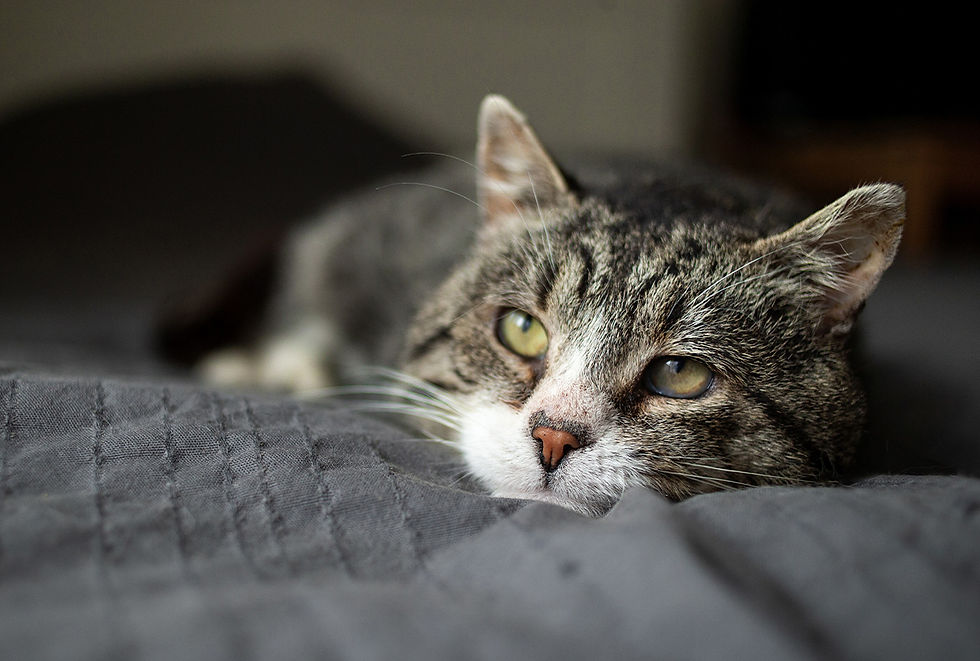
Common signs of lethargy in cats
Before we dive into the emergency red flags, here are some common early signs that your cat’s seemingly “lazy day” may actually be a medical concern. These are some of the key indicators many pet parents Google search “why is my cat so tired?” or “cat suddenly lethargic.”
Decreased appetite - When your normally ravenous kitty suddenly walks away from the food dish or only nibbles. If your cat is not eating, it could be a sign of lethargy.
Reduced grooming - A dull, greasy, or unkempt coat can be an early clue that something’s off.
Hiding or withdrawal - Your cat may avoid family members or retreat to unusual quiet places. A cat that is hiding is a common sign that they are in pain.
Less interest in play - A usually active cat may ignore toys completely.
Sleeping more than usual - Not just snoozing — but heavy, difficult-to-wake sleep.
Changes in vocalization - Meowing more, meowing less, or sounding different than usual.
If you notice these signs along with a drop in your cat’s normal energy, monitor your pet closely – they could be showing the tell-tale signs of cat lethargy. Tracking appetite, litter box use, activity level, and responsiveness can help your emergency vet in diagnosing the cause.
6 signs that lethargy in your cat is an emergency
Let’s explore six key signs that prompt pet parents to search for “cat lethargic not eating,” “cat weak and shaking,” or “cat suddenly can’t walk.” If you see any of these symptoms, call your nearest VEG vet hospital right away:
1. Sudden changes in eating or drinking habits
Has your cat started eating less and drinking more? When accompanied with lethargy, this is a major red flag.
A sudden decrease in appetite and/or an increase in water consumption can indicate metabolic diseases such as diabetes or kidney disease, especially when accompanied by lethargy. Monitor your cat’s eating and drinking patterns. Any drastic changes should prompt a call to your VEG emergency vet to help determine the underlying cause.

2. Extreme weakness or collapse
If your cat is extremely weak, unable to stand or walk, and/or has collapsed, something is definitely wrong. Among other critical conditions, these signs may indicate:
Internal bleeding
Contact VEG immediately to get your cat the emergency care he needs.
3. Unresponsiveness or altered consciousness
If your lethargic cat seems confused, dazed, or unresponsive, act fast. Exposure to toxins, neurological distress, or severe infection are possible reasons for the altered state of consciousness.
Signs of neurological distress in cats
A lethargic cat acting disoriented necessitates prompt action and urgent veterinary care. Keep an eye out for unusual behaviors like these:
Circling (walking in circles)
Head pressing against objects
Sudden uncoordinated movements
4. Rapid breathing or difficulty breathing
Respiratory issues are always a red flag. If your cat is breathing rapidly, panting unusually, or struggling to get air, seek emergency veterinary assistance at VEG right away.
These symptoms may point to respiratory infection, asthma, or even heart failure. Other related signs of respiratory distress may be:

5. Cat is in severe pain
Cats hide pain well. But if your cat is lethargic and also:
Vocalizing excessively (won’t stop meowing)
Aggressive when touched
Hiding in unusual places
…they’re likely in significant discomfort.
Cat pain can stem from injuries, urinary blockages, or severe infections. If you suspect your cat is in pain and lethargic, seek immediate veterinary help.
6. Prolonged vomiting or diarrhea
Sometimes cats throw up or have a bout of diarrhea - sometimes they experience vomiting and diarrhea at the same time. If it’s once in a while and resolves quickly, it’s worth bringing up to your primary care veterinarian. However, prolonged or severe episodes demand immediate veterinary medical attention. Take your pet to the nearest VEG ER for Pets if you notice the following symptoms:
Repeated vomiting
Diarrhea lasting more than a day
Vomiting paired with lethargy
Poisoning, gastrointestinal blockages, or infection may be the underlying issue if your cat’s vomiting or diarrhea continues for more than a day.
Untreated gastrointestinal disturbance can lead to dehydration and may be a sign of something more serious. If your cat’s tummy troubles are continuing, and/or you notice blood, contact your 24/7 VEG hospital.
What cat owners should do if cat is lethargic
Don’t ignore the signs that something more serious could be going on. Monitoring is key. When a cat is lethargic, watch for other symptoms, especially changes in breathing, appetite, responsiveness, or mobility.
While it’s normal for cats to have lazy days, persistent lethargy plus any of the above symptoms should be considered an emergency.
When is it normal for a cat to be lethargic?
While it’s never normal for a cat to have lethargy, there are times when a rest is in order. Here are a few scenarios where being tired or overtired is expected:
After a vaccination, it is normal for a cat to need rest
After playtime, your cat may be “tuckered out”
When starting a new medication; sometimes a cat’s body needs an adjustment period after starting on a new prescription
Changes in the household, such as introducing a new pet to your cat’s environment
Stress or change in sleeping habits will make your cat groggy; such as when traveling or having visitors or a party in the home
What’s the difference between a lethargic cat and a tired cat?
We’ve talked a lot about lethargy, but you might be wondering if your cat is simply just tired. Fair point! Especially after being active, a cat may just need to rest. After all, adult cats can sleep 12 hours or more per day, so it’s normal to see them catching a little cat nap. After a sufficient rest period, you’ll see them bounce back to their regular activity level.
Lethargy shows up a bit differently. There is little to zero bounce back.
A lethargic cat may show disinterest in normally stimulating activities like eating or playtime.
A cat with lethargy can appear sluggish and be unresponsive when you try to engage their interest by calling their name or giving them a few scruffs on their head.
You may notice that your cat has been staying in one place, napping on and off, for a long time. This is a behavior of not laziness, but lethargy.
Cats seem to lick their coat, paws, and ears excessively, making sure that they are spotless. And, another sure sign of lethargy in cats is if they’ve stopped or slowed their grooming habits.
VEG is open 24/7 for emergency cat care
VEG ER for Pets emergency vets are available day or night to provide your cat with rapid and compassionate emergency vet care…when you need it most. At VEG, you also get to stay with your cat all throughout the treatment. And that’s purrty darn pawsome.
Find a VEG near you, call and speak with a vet, or walk in: no appointment taken. We're always ready for cat emergencies.


