Cat obesity is increasingly recognized as a significant health issue affecting a large number of cats worldwide. Currently, a whopping 63% of cats in developed nations can be regarded as obese. As loving pet owners, it's vital to understand what cat obesity is, its risks, and the steps to take to prevent your cat from becoming overweight. This condition not only compromises the quality of life but also shortens the lifespan of our beloved cats by predisposing them to various health problems.
Cats that are considered obese can develop emergent symptoms that require prompt care. If you suspect your cat is experiencing an emergency, call VEG ER for Pets. Emergency veterinarians are available 24/7 to answer your medical questions.
What is obesity in cats?
A cat is considered overweight if they are 10%-20% above its ideal weight and is obese when 20% over ideal weight. Obesity in cats occurs when excessive body fat accumulates, significantly increasing the risk of various health issues such as diabetes, arthritis, and liver disease.
Obesity can be considered a chronic, low-grade inflammatory condition/disease. Excess fat cells secrete inflammatory hormones and force fatty acids into the liver, pancreas, and heart. This buildup interferes with normal cell functioning, stressing the fat cells, causing them to die which triggers the body to release macrophages (immune cells) to clean up the dead cells. The resulting cytokines (inflammatory chemicals) travel through the blood stream causing system damage such as insulin signaling disruption.
Additionally, fat that surrounds the organs compresses them, restricting their normal functioning and causing the heart to work harder. Overall, obesity significantly strains the body’s organs and can shorten your cat’s life expectancy.
Healthy weight range by cat breed
It’s important to know your cat’s breed and just as importantly, to understand that these are general guidelines; recommended healthy weight and caloric intake ratio can vary case by case and cat by cat! Please consult your primary care veterinarian for your cat’s specific caloric needs.
Siamese / Sphynx (Small frame)
6 to 10 pounds; 150–200 kcal/day
Domestic Shorthair / Domestic Longhair (Medium frame)
8 to 12 pounds; 80–220 kcal/day
Bengal (Medium-Large frame)
7-15 pounds (females have significantly smaller bone structure); 200–250 kcal/day
Persian / British Shorthair (Large, stocky frame)
9 to 14 pounds (females typically weigh less than males); 180–220 kcal/day
Ragdoll (Extra-large frame)
10 to 15 pounds; 160–200 kcal/day
Maine Coon (Giant frame)
12 to 25 pounds (males are usually on the heavier end); 250–300+ kcal/day
Healthy caloric ranges for adult cats typically average 20 to 33 calories per pound of body weight, but these needs vary based on breed, metabolism, and activity level.
Indoor / Sedentary: ~20 kcal per pound
Active / Outdoor: ~30–35 kcal per pound
Kittens: 50–60 kcal per pound of body weight (growing bodies require up to double the calories of an adult)
Pet calorie calculator
You can calculate your cat's caloric intake with this helpful tool.
Signs and symptoms of obesity in cats
It's crucial to recognize the signs of obesity in cats so you can take timely action. An overweight cat will generally have no waist and no distinction between the chest and stomach with a rectangular shape when viewed from above. A palpable layer of fat may be present over the ribs and spine, making it difficult to feel these bones. Other signs can include:
Decreased activity
It’s harder to move around with extra weight, especially if your cat has arthritis. The extra weight puts additional stress on inflamed joints.
Tighter collar
Unless your cat is young and still growing, this is an early indicator of weight gain. (Nope, it didn’t shrink in the wash.)
Poor grooming habits
If your cat is looking more unkempt lately, it could be due to extra weight making it harder for them to move to groom, especially by their back and rear. Matted fur in this area can result in skin infections and possible UTIs.
Difficulty climbing or jumping
As with decreased activity, extra weight can make it hard for your cat to climb stairs or a cat tree or jump to a perch or favorite window seat.
Causes of obesity in cats
An imbalance between energy intake and energy expenditure is the ultimate cause of obesity. There can be a number of varied reasons - often more than just one - for this imbalance. See below for contributing factors to a cat's obesity.
Reasons for cat obesity
Overfeeding
It’s no surprise that overfeeding is the most common cause of weight gain in cats. Free-feeding, where you leave a bowl full of food for your cat to “eat until he’s full,” is especially associated with obesity. Overfeeding can be as little as 10 extra pieces of kibble a day for an average cat weighing 11 lbs. Even this small extra amount of food can cause a weight gain of a pound per year in your cat, the human equivalent of 15 lbs per year for a person weighing 150 lbs.
Lack of exercise
This can be a challenge particularly for indoor cats. Keeping your cat indoors is still better for their health than letting them roam outdoors, so engage them into increasing their activity. Include short, regular play sessions with them, use interactive toys (wands, catnip balls) to satisfy their hunting instincts and puzzle feeders for meals.
Age
Your cat’s metabolism slows significantly from age 8+, so it’s important to work with your vet to adjust their caloric intake to meet their health needs.
Spaying/neutering
While this is still recommended for your cat’s overall health, it’s helpful to understand how it can impact your cat’s metabolism. Your cat’s calorie requirements can drop by as much as 30% after spaying/neutering, with the added twist of also increasing their appetite. (Some studies show an increase in food intake as high as 20%!). Your vet can advise you on how to meet your cat’s nutritional needs and maintain a healthy weight.
Boredom and stress
Another reason why free-feeding isn’t a great idea and why engaging with your cat and playing with them is essential for their health. Like people, cats can eat out of a sense of boredom and/or stress, the latter of which is frequently seen in multi-cat households.
Underlying health issues
Arthritis and diabetes mellitus are some health problems that can increase your cat’s risk of obesity.
How vets diagnose obesity in cats
Your vet will determine if your cat is overweight or obese by getting an accurate weight measurement along with a hands-on visual evaluation to assess muscle mass and fat deposits regardless of scale weight. Your vet will most likely include bloodwork to determine proper functioning of the kidneys, liver, and thyroid and to rule out diabetes mellitus as possible causes for obesity.
Here are the hands-on visual evaluations your vet will perform to determine if your cat is obese:
Monitoring your cat's body condition score
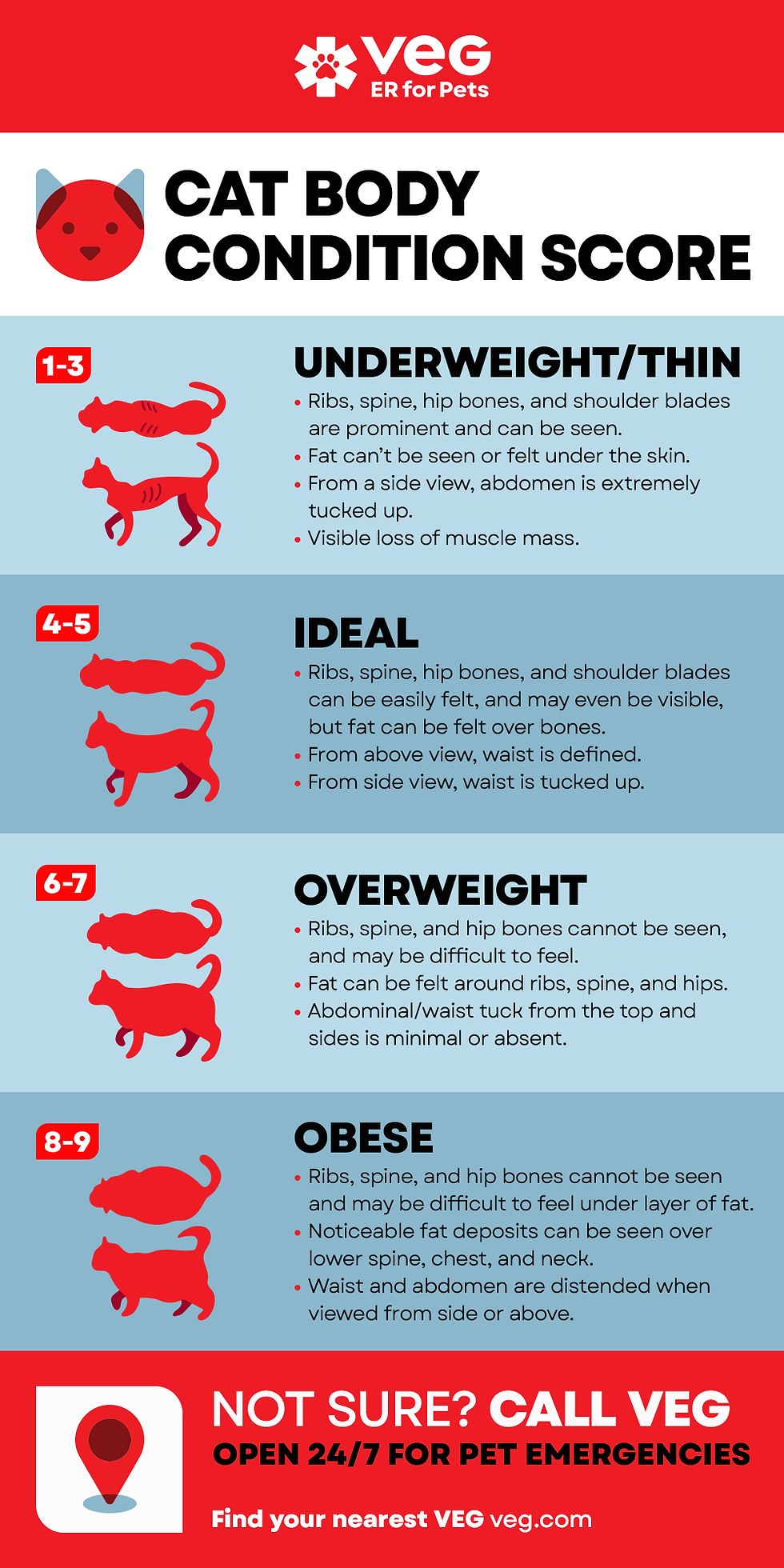
A Body Condition Score (BCS) is a standardized chart and useful tool to determine whether your cat is underweight, overweight, or at an ideal body weight. This score typically ranges from 1 (emaciated) to 9 (obese), with an ideal score around 4 to 5.
The Rib Test
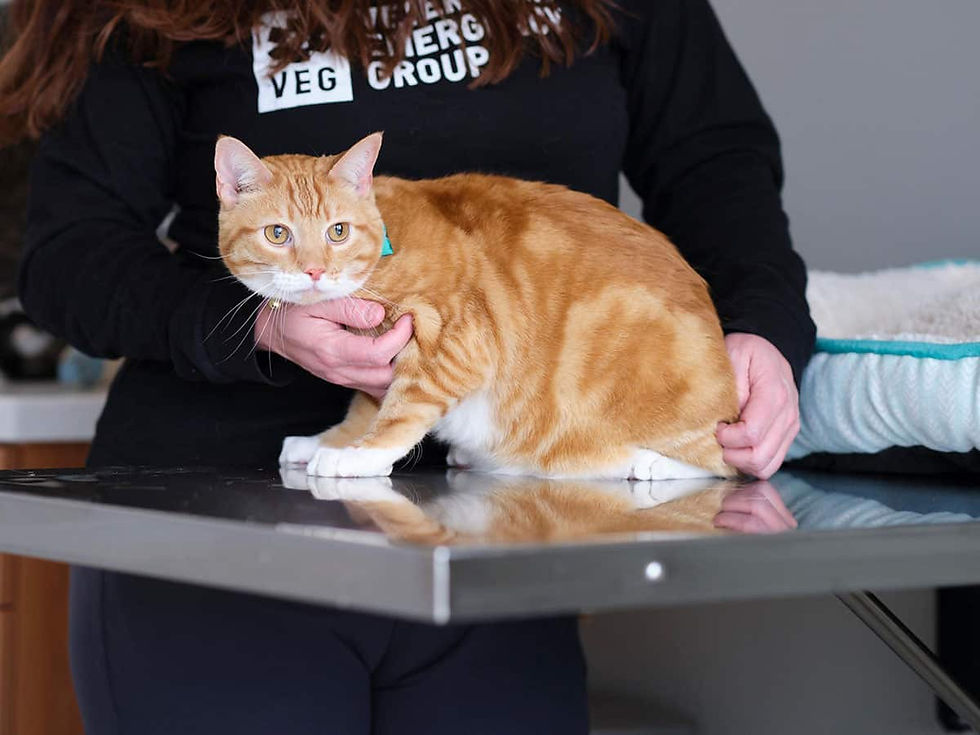
During the Rib Test, your vet will run his/her hands along your cat’s chest and back to feel for the spine, ribs and hip bones. Ideally these should be easily felt beneath a slight fat covering. Excess fat will make feeling these bones hard or impossible.
The Waistline Check
This type of check is where your vet will look at your cat from above to determine if your cat’s torso indents just behind the ribcage, showing a defined waistline. A rectangular or bulging shape indicates your cat is overweight.
Abdominal Tuck Assessment
This assessment will have your vet look at your cat from the side to determine if the belly slopes upward behind the ribs - a healthy “tuck.” A sagging belly indicates fat accumulation.
Your vet can explain how you can do these checks at home to ensure your pet maintains a healthy weight.
Prevention and treatment for obesity in cats
Both prevention and treatment for obesity in cats are based on developing and maintaining healthy habits. The key difference regarding treatment is the active pursuit of weight loss for your cat. This should ALWAYS be done under your vet’s supervision with a goal weight loss of no more than 1%-2% of total body weight per week.
Cutting your cat’s calories too quickly can result in a life-threatening liver condition called hepatic lipidosis (fatty liver syndrome). A rapid reduction in calories causes the body to break down fat reserves and send them to the liver for energy.
Feline livers are not able to handle the sudden flooding of fat properly, so excess triglycerides can accumulate in the liver, causing it to fail. Slow and steady is the way to go here.
Measures to combat cat obesity
The role of diet in managing weight
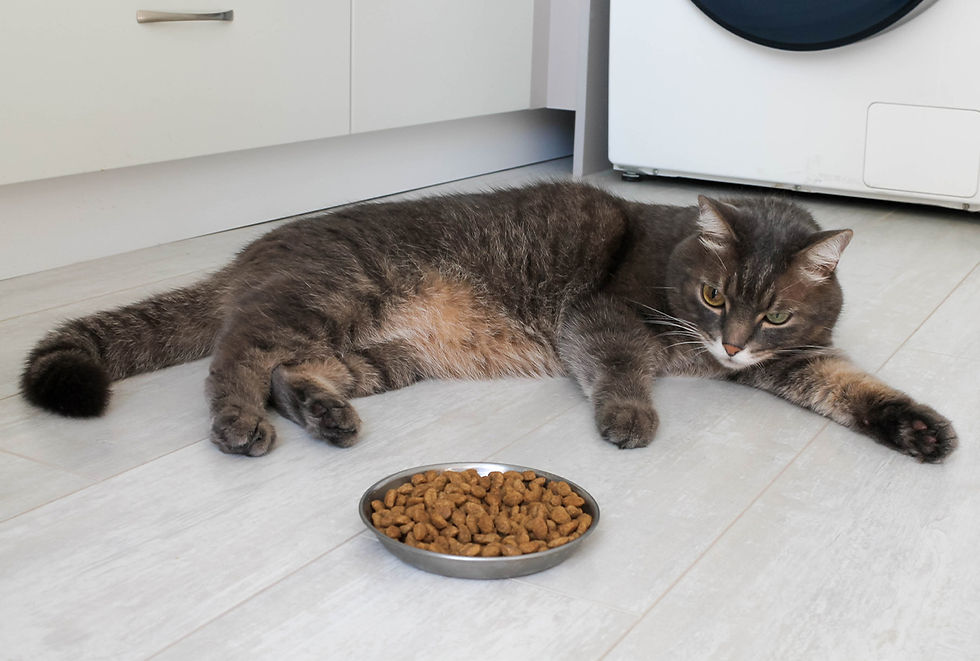
Proper diet management is crucial in preventing cat obesity. Feeding a balanced diet tailored to your cat’s age, activity level, and health needs is essential. Measure food portions accurately and avoid free-feeding, instead opting for structured meal times. Consult your veterinarian for the best dietary recommendations and consider therapeutic weight management diets if necessary.
Your vet may recommend switching to a wet food that is higher in protein and fiber, and lower in carbohydrates and fat. This can help your cat feel more full due to its water content. An added bonus is the hydration it provides for your cat. Your vet may alternately prescribe a prescription diet that is formulated to help your cat lose weight while ensuring its nutritional needs are properly met and muscle mass is preserved.
Importance of regular physical activity
Encouraging regular exercise is another key aspect of preventing obesity in cats. Interactive toys, climbing structures, and regular play sessions can help keep your cat active and engaged. Even simple activities like using laser pointers or feather wands can significantly contribute to your cat’s physical health.
When to seek professional help
If you notice your cat gaining weight or if you suspect they are already obese, it’s important to consult with a veterinarian. They can provide a tailored diet and exercise plan, monitor your cat's health, and make specific recommendations based on individual needs.
The role of VEG ER For Pets
In cases where cat obesity leads to a health emergency, such as difficulty breathing or sudden immobility, it’s critical to seek immediate veterinary care. VEG ER for Pets is here to help. With expert staff and state-of-the-art facilities, VEG provides emergency services tailored to the unique needs of obese cats facing urgent health issues. If you are concerned about your cat’s weight and its implications on their health, call VEG for advice and immediate attention.
Long-term management and monitoring for obese cats
Regular veterinary check-ups
Sustaining an ideal body weight in your cat requires ongoing effort and regular monitoring. Scheduled veterinary check-ups are essential to assess your cat’s health and make adjustments to their diet and exercise regimen as needed. These visits also offer an opportunity to discuss any concerns with your vet and keep your cat on the right track to a healthy lifestyle.
Keeping a health journal
Maintaining a health journal for your cat can be incredibly beneficial. Record details about your cat's diet, daily exercise, and any changes in behavior or weight. This log will be invaluable during veterinary visits and can help guide decisions about your cat’s health management.
Maintaining your cat's wellness
Obesity in cats is a serious issue, but with the right knowledge and resources, it is entirely preventable and manageable. By understanding the causes and consequences of cat obesity, recognizing the signs, and taking proactive steps to prevent it, you can ensure your cat lives a happy, healthy, and long life. Remember, if you suspect your cat is experiencing complications from obesity, contact VEG ER for Pets immediately for expert guidance and care.
Frequently asked questions about obesity in cats
How can I tell if my cat is overweight?
Using the Body Condition Score (BCS) chart in this article is a good place to start. You can also run your hands over your cat’s back and chest to see if you can easily feel your pet’s ribs and spine, and see your cat’s abdomen tuck in towards the ribs when viewed from the side.
Does obesity shorten my cat's lifespan?
Sadly, it can. Cats aged 8 to 12 years face a mortality rate that’s 2.8 times greater than cats who are a healthy weight.
What is the quickest way to help my cat lose weight?
Quick weight loss is very dangerous for a cat. It can cause a condition called hepatic lipidosis (fatty liver disease). Your cat should not lose more than 1%-2% of its total body weight per week.
How can I help my obese cat lose weight?
Working closely with your vet is the best and safest way to help your cat lose weight. You can start by making sure you’re not free-feeding your cat, which encourages over-eating. Your vet may advise you to switch to wet food, which can help your cat feel more full on fewer calories, or put your cat on a prescription diet that will help your cat lose weight while maintaining muscle integrity.
Properly measuring the correct amount of food to feed your cat and opting for healthy low-calorie treats are essential. Increasing your cat’s activity level by engaging in play and being creative with feeding like using food puzzles and doling out food in different locations are just some ways in which you can help your cat lose weight.
Are certain cats more prone to obesity?
Yes. Domestic mixed breeds (both short and long haired varieties) and British Short Hairs are more prone to obesity as are cats that are spayed or neutered, indoor cats with sedentary lifestyles, middle-aged cats between 5-11 years of age, and male cats overall.