Cats are pretty good at hiding when something is bothering them, but ear problems can be harder to ignore. If your cat is suddenly shaking their head or scratching at their ears, you may be wondering if an ear infection is to blame.
So, how can you tell if your cat has an ear infection? And when is an ear problem something that needs to be checked by a veterinarian?
Here’s what every cat parent should know about cat ear infection symptoms, causes, treatment, and when to contact your nearest VEG ER For Pets.
What is a cat ear infection?
A cat ear infection occurs when part of the ear becomes inflamed and infected. Infections can affect the outer ear canal, middle ear, or inner ear.
Unlike in dogs, ear infections aren't especially common in cats. When a cat does develop one, it's important to look for the underlying cause rather than simply treating the infection itself. Ear mites, allergies, foreign objects, and other conditions can all contribute to inflammation and infection of your cat’s ear canal.
The location of the infection matters, too. An infection in the outer ear may cause itching, redness, discharge, and odor. If inflammation or infection spreads deeper into the ear, it can affect your cat’s hearing and balance.
What does a cat ear infection look like?
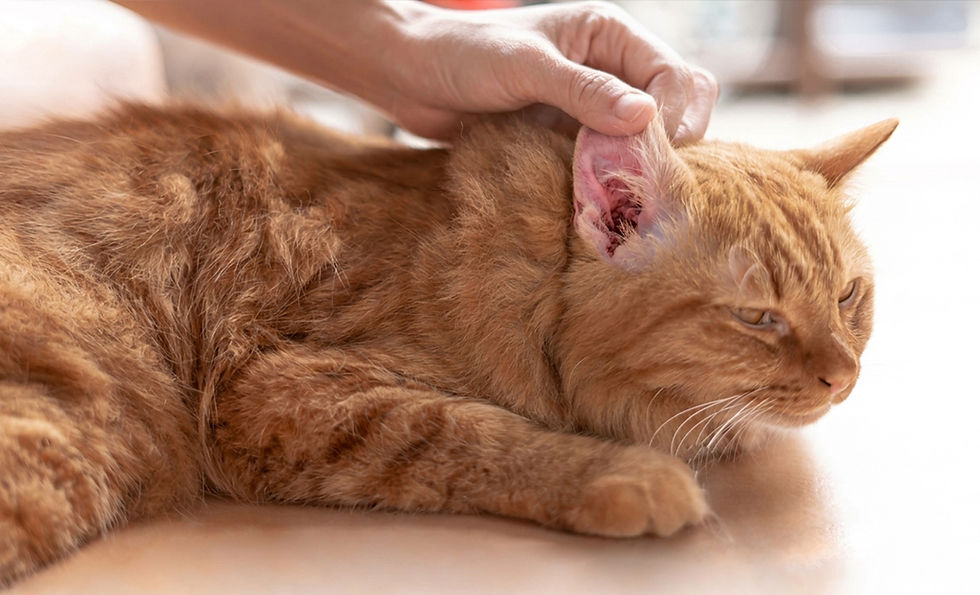
A healthy cat's ear should be clean and generally free of any discharge or strong odors. An infected ear may look noticeably different.
Signs you may see include:
Redness inside the ear

Swelling in or around the ear
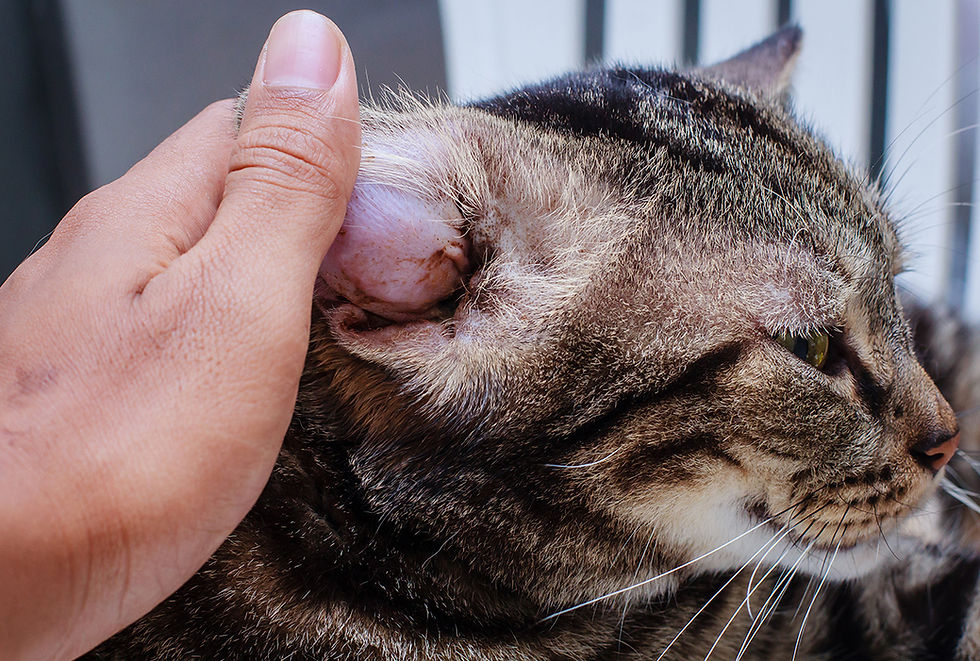
Waxy buildup or debris
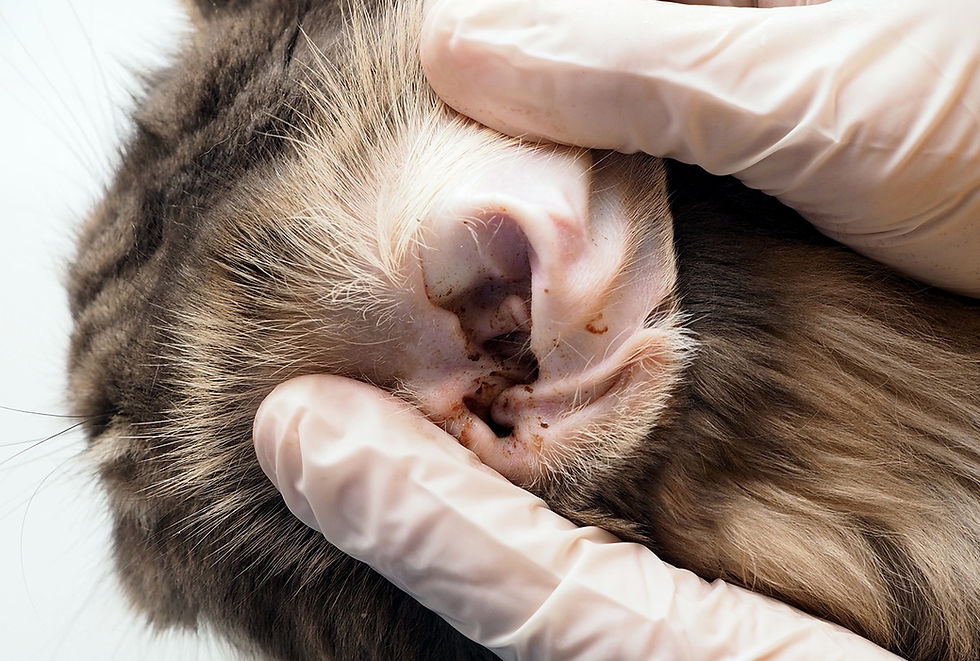
Visibly inflamed ear canal
Dark, brown, yellow, or other unusual discharge
Crusting or scabbing
A foul or unusual odor
The appearance of an ear can provide clues, but it isn't enough to determine exactly what's causing the problem. Your vet will need to examine the ear and run tests to determine what's going on.
Cat ear infection symptoms
One of the easiest ways to spot an ear problem is to pay attention to changes in your cat's behavior. A cat with an uncomfortable or painful ear may suddenly start treating their ear differently.
Common cat ear infection symptoms include:
Shaking their head frequently
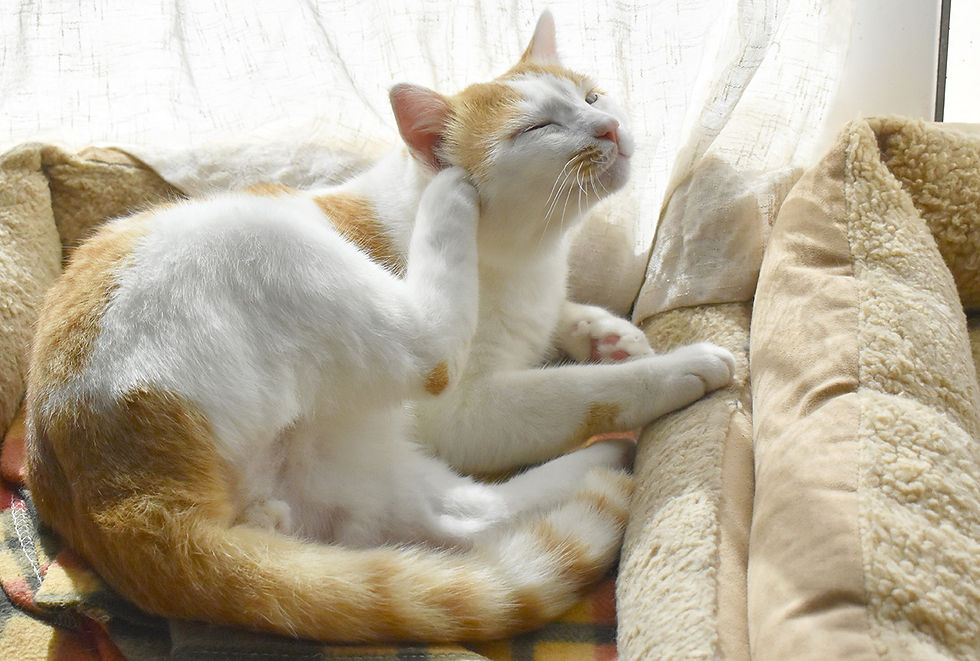
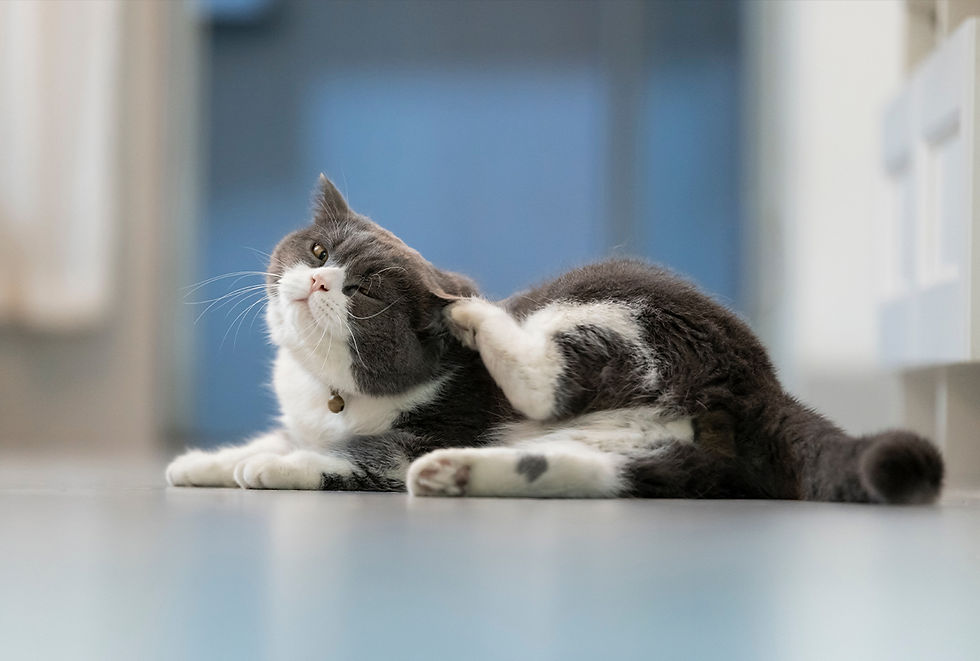
Scratching or pawing at their ears
Rubbing their ears against furniture, floors, or other surfaces
Holding their head differently or developing a head tilt
Discharge from the ear
A foul or unusual smell coming from the ear
Redness or swelling around the ear, including hematoma (a pocket of blood that collects under the skin)
Pain or sensitivity when the ear is touched
Changes in hearing
Loss of balance or coordination
Some of these symptoms can indicate that an infection has progressed beyond the outer ear. A head tilt, stumbling, difficulty walking, or abnormal eye movements can be signs that the deeper parts of the ear are affected and should be evaluated by a veterinarian as soon as possible.
What causes ear infections in cats?
A cat ear infection doesn't always start with an infection. In many cases, bacteria or yeast take advantage of an ear that's already irritated or inflamed because of another problem.
Some common cat ear infection causes include:
Ear mites
These tiny parasites can cause intense itching and inflammation. The irritation they cause can also make it easier for a secondary bacterial or yeast infection to develop.
Allergies and skin disorders
Allergies or conditions like flea-related skin disease can cause inflammation that affects the ears as well, potentially leading to a secondary ear infection.
Bacteria
Bacteria can overgrow in an inflamed ear and contribute to infection.
Yeast
Yeast can also multiply when the normal environment of the ear is disrupted. Yeast and bacteria can sometimes be present at the same time.
Foreign objects
Although uncommon, something that becomes lodged in your cat’s ear canal can cause irritation and inflammation.
Excess earwax
An abnormal buildup of wax or debris can contribute to ear problems.
Abnormal ear anatomy
Some cats have ear canals that are unusually shaped or narrow, which can make it harder for wax and debris to clear normally and may increase the risk of inflammation and infection.
Polyps or growths
These can interfere with the normal ear environment and contribute to recurring inflammation or infection.
Immune-related conditions
Although uncommon, some immune-mediated diseases can cause inflammation affecting the skin and ears, making ear problems more likely.
Tumors or cancer.
Less commonly, a growth in or around the ear can contribute to persistent or recurring problems.
If your cat keeps developing ear infections, treating each infection as it appears may not be enough to stop the problem. Your vet will need to determine what's causing the inflammation in the first place so that the underlying problem can be addressed.
Types of cat ear infections
When talking about a feline ear infection, it's helpful to separate two things: where the infection is located and what’s causing it.
The ear is divided into three main areas: the outer ear, middle ear, and inner ear. An infection can affect any of these areas.
Otitis Externa: Outer ear infection
Otitis externa affects the external ear canal and is the most common type of ear infection.
Cats with an outer ear infection may scratch or paw at their ears, shake their heads, or show redness, swelling, discharge, or an unusual odor. The ear may also be painful or sensitive to touch.
An outer ear infection that's left untreated can sometimes spread deeper into the ear, which is why persistent symptoms shouldn't be ignored.
Otitis Media: Middle ear infection
Otitis media affects the middle ear, which is located behind the eardrum.
A middle ear infection can develop when disease spreads deeper into the ear. Because the middle ear is involved in hearing, inflammation in this area can potentially affect a cat's hearing.
Some cats with middle ear disease may have relatively subtle outward signs, while others may continue to show signs of ear discomfort or develop additional symptoms like changes in hearing.
Otitis Interna: Inner ear infection
Otitis interna affects the inner ear. This is more concerning because the inner ear helps control your cat’s balance.
A cat with inner ear involvement may develop:
A pronounced head tilt
Loss of balance or coordination
Stumbling or difficulty walking
Abnormal eye movements
Nausea or vomiting
These symptoms warrant immediate veterinary attention. An inner ear problem can be more serious than an outer ear infection and may require more extensive treatment.
Bacterial ear infections
Bacteria can cause or contribute to a cat ear infection, especially when the ear is already inflamed or affected by another underlying problem.
A bacterial infection may cause redness, swelling, pain, discharge, and odor. However, you can't determine that an ear infection is bacterial just by looking at the ear. Different types of bacteria can be involved, and bacteria may also be present alongside yeast or another underlying condition.
Your vet may examine a sample of material from the ear under a microscope to determine what's present and choose the appropriate treatment.
Yeast ear infections
Like bacteria, yeast can overgrow in an irritated or inflamed ear and cause infection. A yeast infection may be associated with discharge, debris, odor, redness, and itching.
Bacteria and yeast can sometimes occur together, which is another reason not to rely on the appearance of an ear to determine what's causing the problem.
Ear mites vs ear infection in cats
If your cat is scratching their ears or shaking their head, you may wonder whether they have ear mites or an ear infection. The two can cause similar symptoms, but they aren't the same thing.
Ear mites are tiny parasites that live in the ear canal. They can cause significant itching and inflammation, and the irritation may lead to a secondary bacterial or yeast infection.
Ear mites are especially common in kittens, outdoor cats, and cats that have close contact with other animals. Because they are contagious, other cats and dogs in the household may also need to be checked if one pet is diagnosed with ear mites.
Here's how the two generally compare:
Ear mites Ear infection
CAUSE | Tiny parasites living in the ear canal | Often bacterial or yeast overgrowth, sometimes triggered by underlying problem |
TYPICAL SYMPTOMS | Intense itching, scratching, head shaking, ear irritation | Itching, head shaking, redness, swelling, pain, discharge, odor |
EAR DEBRIS | Often dark, crumbly or coffee-ground-like debris | Brown, yellow, or another color depending on the cause |
CONTAGIOUS? | Yes | Usually not |
MORE COMMON IN | Kittens, outdoor cats, and cats exposed to other animals | Cats with underlying problems like allergies, parasites, abnormal ear anatomy, or chronic inflammation |
TREATMENT | Veterinary-approved antiparasitic medication | Depends on the cause and may include cleaning, topical meds, antibiotics, or antifungals |
It's important to remember that ear mites and ear infections aren't always an either-or situation. Ear mites can cause enough irritation and inflammation to allow bacteria or yeast to overgrow, resulting in a secondary infection.
How are cat ear infections treated?
Treatment for a cat ear infection depends on what’s causing the infection and how deeply the ear is affected. Your vet may need to treat the infection itself as well as the underlying problem that allowed it to develop.
Treatment may include:
Cleaning the ears. The ear canal will be cleaned of discharge, wax, debris, and other material that can interfere with treatment. Some cats with very painful or severely blocked ears may need sedation for a thorough cleaning.
Medication for ear mites. If ear mites are causing the problem, your vet will prescribe an antiparasitic medication. Other pets in the household may also need to be treated or checked because ear mites can spread between animals.
Antibiotics. Bacterial infections may require antibiotic medication. Depending on the infection, this may be given as an ear medication, by mouth, or both.
Antifungal medication. If yeast is contributing to the infection, your vet may prescribe an antifungal medication, often as an ear treatment.
Anti-inflammatory or pain medication. Inflamed, painful ears may need medication to reduce inflammation and help your cat feel more comfortable.
Treatment for the underlying cause. If allergies, a skin condition, a foreign object, an ear polyp, or another medical problem is contributing to the infection, that issue will also need to be addressed.
Additional treatment for deeper or complicated infections: Middle or inner ear infections may require more extensive treatment, including oral medications or additional diagnostic testing. In some cases, surgery may be necessary to remove a foreign object or growth or to treat chronic ear disease.
Your veterinarian may recommend a follow-up exam or another ear sample to make sure the infection has cleared, especially if your cat has a severe or recurring infection.
Can you treat a cat ear infection at home?
If you think your cat has an ear infection, it’s best to have your veterinarian examine them rather than trying to treat the infection at home. Cats can develop ear problems for many different reasons, and the symptoms can look similar even when the treatment is very different.
Avoid using home remedies or leftover medications unless your veterinarian specifically recommends them. Products such as hydrogen peroxide and alcohol can irritate an already inflamed ear, and some medications may be unsafe if the eardrum is damaged.
You should also avoid putting cotton swabs into your cat’s ear canal. They can push debris farther into the ear or injure the delicate tissue inside.
How to clean a cat’s ears safely
Most healthy cats don't need their ears cleaned regularly. In fact, cleaning your cat’s ears too often or too aggressively can irritate the delicate skin inside the ear and make problems worse.
If your vet recommends cleaning your cat’s ears, they can show you how to do it safely. In general:
Use a cat-safe ear cleaner recommended by your vet.
Avoid hydrogen peroxide, alcohol, or other household products, which can irritate the ear.
Gently hold your cat’s ear flap upright.
Give your cat a calm moment to get comfortable before you begin.
Apply the recommended amount of ear cleaner.
Apply into the ear canal, following your veterinarian’s instructions.
Gently massage the base of the ear.
You may hear a soft squishing sound as the cleaner moves through the canal.
Let your cat shake their head.
This helps loosen and bring debris toward the outer part of the ear.
Wipe away the loosened debris.
Use a soft cotton ball or gauze to gently clean the parts of the ear that you can easily see. Never push anything deep into the ear canal.
If your cat’s ear is very painful, swollen, bleeding, or producing a significant amount of discharge, don't try to clean it before speaking with your veterinarian. A painful ear may need to be examined and treated first, and some cats may need sedation for a thorough ear exam or cleaning.
And remember: cleaning your cat’s ears can remove debris, but it does not treat the underlying cause of an ear infection. If your cat has recurring ear problems, your veterinarian can help determine why they keep coming back.
Why does my cat keep getting ear infections?
If your cat keeps getting ear infections, there may be an underlying problem that hasn’t been addressed. Treating the infection can clear up the immediate symptoms, but if the original cause is still present, the infection may return.
Some possible reasons for recurring ear infections include:
Chronic skin or immune-related conditions.
Conditions that cause ongoing inflammation can also affect the ears.
Infection that wasn't completely cleared.
Stopping medication early, using the wrong medication, or not addressing the specific cause can allow an infection to return.
Deeper ear disease.
An infection involving the middle or inner ear may require additional testing and more extensive treatment.
If your cat has repeated ear infections, your veterinarian may recommend additional testing to figure out why the infections keep coming back. Finding and treating the underlying cause can help break the cycle and reduce the chance of another infection.
When is a cat ear infection an emergency?
Most cat ear infections aren't emergencies and can be evaluated by your regular veterinarian. But some symptoms can signal that the problem is affecting the deeper parts of the ear and needs prompt veterinary attention.
Take your cat to an emergency veterinarian if they have:
A severe or sudden head tilt, especially if they can't keep their head upright
Trouble walking, stumbling, falling, or loss of coordination
Abnormal or rapid eye movements
Vomiting along with a head tilt or other balance problems
Severe ear pain or significant swelling around the ear
Bleeding from the ear
Sudden hearing changes or loss
Severe lethargy, weakness, or a significant decrease in appetite
If your cat is showing any of these symptoms, don't try to treat the ear at home or wait for the problem to resolve on its own. Get veterinary care right away.
VEG can help with your cat's ear infection
Ear problems can be uncomfortable for cats, and it isn't always easy to tell what's causing them just by looking at the ear. At VEG, our emergency veterinarians can examine your cat, determine whether they're dealing with an infection, ear mites, or another underlying problem, and provide the treatment they need.
Find your nearest VEG location and get your cat the care they need, 24/7 - no appointment needed.