Updated: Dec 13, 2025
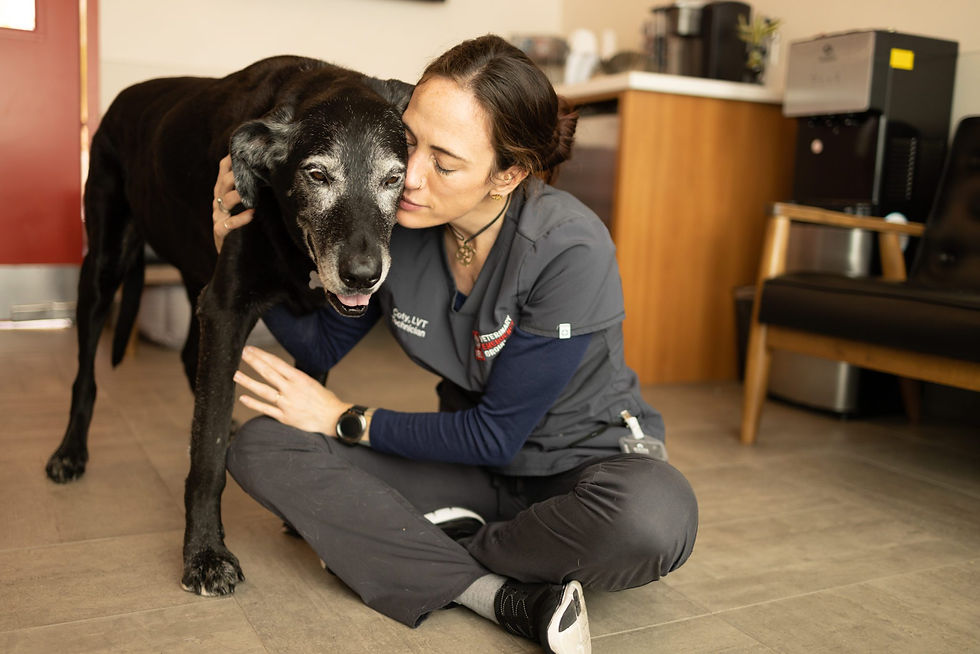
Is your older dog suddenly getting lost in the house, forgetting his name, or acting fearful? These may be more than just "old dog" quirks. For many aging dogs, these can be early warning signs of a medical condition called canine cognitive dysfunction (CCD), also known as dog dementia.
In this article we cover:
What dog dementia is and how it develops
Common signs and symptoms to watch for
When to reach out your vet or your local VEG
Treatment options and how to manage dog dementia at home
How to assess your dog's quality of life
What you can do now to stay ahead of CCD
FAQs
With the help of this guide, you can consider your own pet’s behavior and decide when it may be time to talk to your primary care vet for more information.
What is dog dementia?
Dog dementia, or CCD, is a condition that affects how your dog's brain works as they get older, similar to Alzheimer's in humans. Dogs with CCD may forget routines, get lost in places that were once familiar, or begin to behave differently than they used to.
This condition usually affects dogs over 9 years old, but it can show up earlier. The changes happen slowly, which can make them easy to miss at first.
What causes Canine Cognitive Dysfunction (CCD)?
While there's no single cause, dementia in dogs is associated with age-related changes in the brain. Over time, a buildup of proteins and damage to the nerve cells can interfere with how our dog's brain works, especially in areas that affect memory and learning.
Common signs and symptomsof dementia in dogs
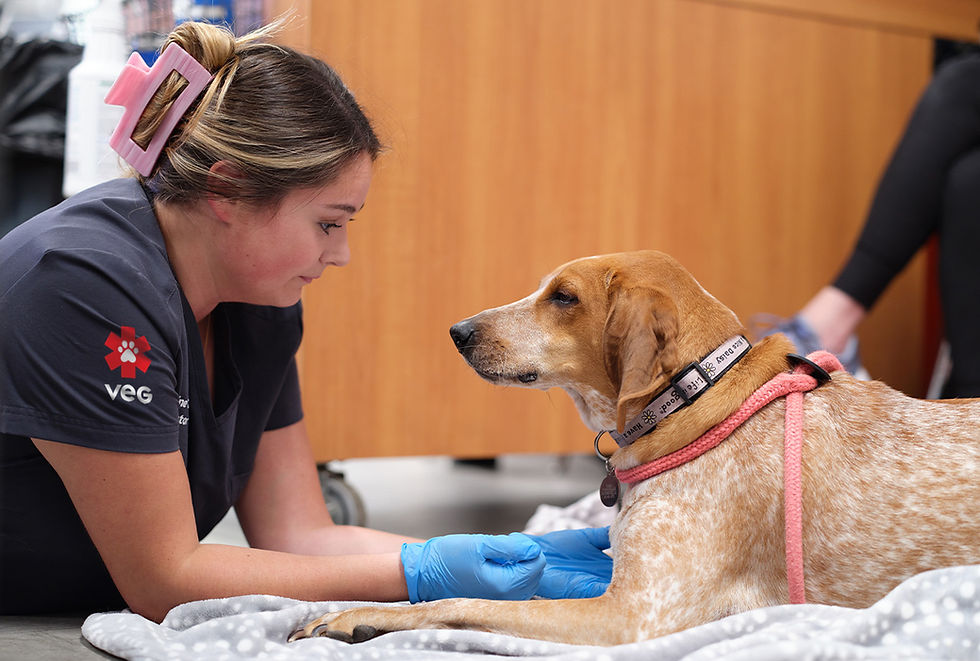
Every dog is different, but these are some of the most common signs of CCD:
Acting confused or lost
Many dogs with dementia will find themselves suddenly “lost” inside the home, even if they’ve never lived anywhere else. Your dog may wander into another room and stand there, whining or barking at nothing, until you or someone in the household finds him.
Your pet might get stuck behind furniture, walk into the wrong rooms, or seem unsure of where they are—even at home. They may also forget where the food bowl is, or skip a part of their routine completely.
These are typically one of the first signs of dementia that many pet owners notice, and these symptoms alone are not dangerous for your dog. However, they may cause a dog to forget where they are around stairs or other household hazards. It may be a good idea to put up some pet gates and protect your dog from access to these locations.
Loss of recognition of family or other pets
Some dogs may stop responding to their name, or even become wary of people and pets they've known forever. Unfortunately, dogs with dementia may start forgetting their human family members. You may have an older dog who may no longer recognize you or others in your household, and this could lead to confusion and fear for him. It will also likely be painful for you, but remember that your pet is not doing this on purpose.
If your dog is dealing with severe loss of recognition, try to keep household visitors to a minimum. If unfamiliar people will be in and out of the home often, consider setting up a safe space for your dog in an out-of-the-way room instead.
Loss of interest in food, changes in appetite or sleep
CCD may cause dogs to stop eating or drinking normally (whether a change in frequency and amount). It can also lead to changes in their sleep, causing them to sleep more during the day and become more active/restless during nighttime.
Dogs who have more advanced levels of canine dementia may begin to lose interest in their food. Sometimes, this is simply because they have forgotten where it’s located in the house. If your pet is dealing with dementia, consider keeping his food and water dishes close to his favorite napping spot, so he can find them easily.
If your dog is completely unwilling to eat any longer, you may need to discuss end of life decisions with your vet. However, if your dog isn’t quite to that point yet, the vet may be able to provide medication to help with appetite.
Incontinence or accidents indoors
Even if they were well-behaved for years, dementia may cause dogs to forget routine and house-training rules. This can lead to incontinence, or accidents in the house.
Incontinence is a common problem in dogs with dementia, as well as dogs with a wide range of other health problems. This is often a condition of senior dogs. If you are unsure of the cause of your dog’s incontinence, talk to your vet for a formal diagnosis. However, if your dog is already diagnosed with dementia, understand that incontinence will likely become part of his normal life.
Do not punish your dog for his incontinence, as he can’t help it. Instead, calmly take him outside to see if he needs to finish doing his business, and then clean up the mess.
Changes in behavior—increased fear, stress, and anxiety
Dogs who have dementia may forget situations and locations they were previously familiar with. This issue, in turn, can lead to an increased amount of fear in your pet. If you find that your pet seems more and more afraid when he leaves home, you may want to keep his walks short and stay near your house with him. You might notice your dog pacing, whining, barking at nothing, or acting clingy in places they would otherwise be familiar with.
It can be difficult to see your canine companion suddenly becoming afraid of places he’s used to. Work with your vet to make the right decisions for your pet’s health and wellness during this difficult time.
Older dog with behavioral problems
If you have a senior dog who seems to have a change in disposition or behavioral issues, it could be canine cognitive dysfunction. Though behavioral changes on their own may not necessarily signify dementia in your dog. However, when coupled with other items on this list, they could. Behavioral changes should always be diagnosed by your vet, as there could be any number of underlying health problems contributing to this symptom.
If your dog has dementia and is dealing with behavioral changes, stay as patient as you can. Work with your vet to figure out the best management for your dog’s behavioral changes and consider talking with a professional dog trainer who has experience working with aging dogs, too.
How is dementia in dogs diagnosed?
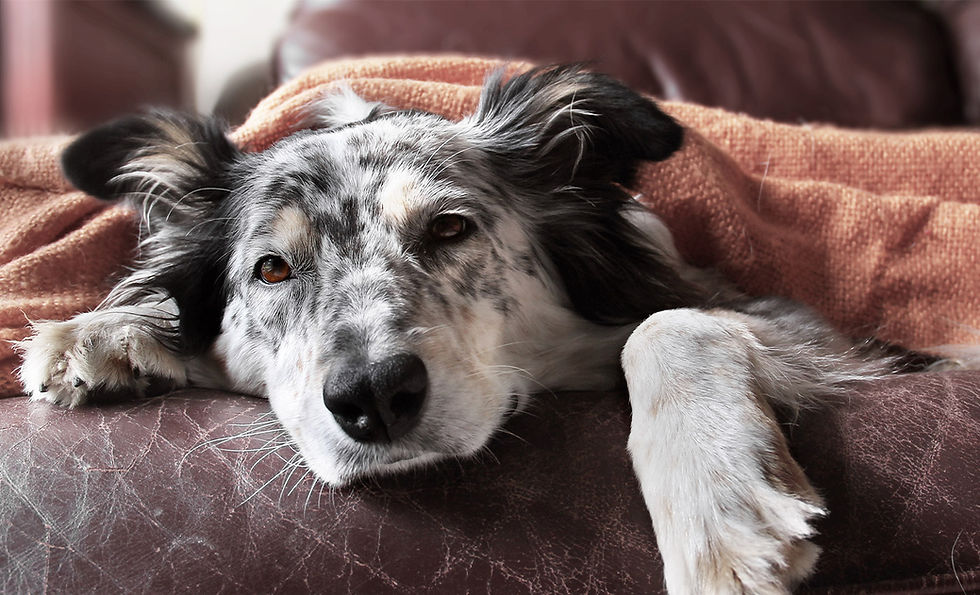
If you're noticing signs of dog dementia, your primary care vet is the best place to start. They'll have a baseline for your dog's health history, do a physical and neurological exam, and may run tests like bloodwork or imaging to rule out other medical issues. Diagnosis is based on symptoms and ruling out other conditions that can look similar, like pain or sensory loss.
Can dog dementia be treated or managed?
While there is no cure, early support and consistent care can really help. Dogs who receive assistance earlier may experience improved daily function and comfort.
Medication and supplements
Some dogs do well with medications for management of CCD. Your vet may also opt to prescribe medication to directly address behavior changes, such as anxiety. Supplements like Omega-3s can also be used to support brain health.
Diet for dogs with dementia
Some senior diets, either over-the-counter or prescription, can help support cognitive health. These include:
Antioxidants
Vitamin E
Fatty acids
Comfort and safety precautions
Using rugs to prevent slipping, night lights in dark hallways to aid them at night, and baby gates to discourage wandering or prevent accidents going down the stairs.
Dementia in dogs: when to seek emergency vet care
CCD itself is a slow, progressive condition, not usually a life-threatening crisis. But if your dog shows any sudden or severe changes, VEG is open 24/7 and ready to help if your dog is struggling or declining.
Signs to act on quickly:
Sudden collapse, stumbling, or seizures
Refusal to eat or drink
Extreme confusion or panic
If you're ever unsure whether it's an emergency or not, be sure to contact your local VEG and follow up with your primary veterinarian.
Quality of life for dogs with dementia
Quality of life isn't just about what your dog can still do—it's about how they feel day to day. Are they eating well? Sleeping comfortably? Showing interest in their surroundings or people they love? These small indicators matter more than checklists or milestones, especially as dementia progresses.
If you're unsure whether your dog is still enjoying life, trust your observations. Keep track of what works for them and what doesn't, and have honest check-ins with your vet.
Proactive steps you can take for dogs with dementia
Some changes that come with age can't be stopped, but others can be managed with early care and attention. Here are a few ways to support your dog's body and brain as they age.
Feed a healthy diet
Ask your vet about senior formulas that support brain function and joint health. Keeping your dog lean can also reduce the risk of other age-related issues.
Schedule regular checkups
Older dogs (usually over the age of 7 years) benefit from checkups twice a year. These help catch changes early, and ideally before signs of cognitive decline start to show.
Make enrichment part of your daily routine
Use frequent walks, food puzzles, or scent games to keep your dog engaged. A calm, safe setup at home also helps them feel confident and steady.
Track changes over time
Keeping a notebook or a log (your phone also works just fine!) any new behaviors can be a game-changer. Noticing patterns early on makes it easier to act when it matters most.
Dog Dementia FAQs
Can young dogs get dementia?
Canine cognitive dysfunction mostly affects senior dogs, especially those over the age of 8 years old, and is rare in younger dogs.
How fast does dog dementia progress?
It varies by dog. Some develop signs slowly over a longer period of time, while others show a faster decline in behavior and memory. Regular checkups can help track changes and guide early support.
Is dog dementia painful?
While not physically painful, dementia can lead to anxiety, fear, or confusion. A calm home environment can help ease distress.
What's the difference between dog dementia and normal aging?
Aging dogs might sleep more or move slower, but dog dementia can cause deeper behavioral changes. Dogs may get lost inside the house, forget familiar cues, or seem disoriented—even with people they've known their whole life.
How much does it cost to manage?
It depends. Managing dog dementia at home often starts with simple changes: adjusted routines, enrichment, and diet. Some dogs might need supplements or medications, which can add to costs over time. Your vet can help tailor a plan to your dog's needs and budget.
Know what to do next for your dog with signs of dementia
Dog dementia is more common than most people think. Keep in mind that there's no treatment for canine dementia, but with the right support, your dog can still enjoy life, stay safe, and feel loved. Proper management includes keeping your dog comfortable and reducing stress factors to cut down on their confusion.
If your pet is showing signs of confusion, anxiety, or unusual behavior, contact your primary care vet. And if something feels urgent, VEG is open 24/7—no appointment needed.