Updated: Feb 27
Just like humans, dogs can catch the flu, too. This can be worrisome for dog owners, but a little knowledge goes a long way in protecting your furry friend. In this blog we'll cover:
What is dog flu
Symptoms of dog flu
How dog flu is treated at the vet
Difference between cold and flu in dogs
Can dog flu be spread to humans
Duration of dog flu
When to visit the emergency vet
What is dog flu?
Dog flu aka canine influenza is a respiratory infection caused by a virus that affects dogs of all ages and breeds. Dog flu is highly contagious and symptoms need to be addressed as they can worsen.
Dog flu virus hasn't been around very long. The first confirmed case and subsequent outbreak of dog flu was at a greyhound racetrack in 2004 (strain H3N8), after the equine influenza virus adapted to infect dogs. The current and most widespread strain, avian flu strain H3N2, was initially detected in dogs in 2007 in South Korea. It rapidly spread resulting in a widespread outbreak in Chicago in April of 2015.

Is your dog at risk for flu? It's likely...
Because this is a relatively new virus, most dogs don’t have any natural immunity, so canine influenza is highly contagious, with symptoms appearing within 2-4 days of exposure. Dogs are social animals, so outbreaks can develop quickly in settings like dog parks, boarding facilities, shelters, doggie day care, grooming locations, training classes and even vet offices.
The canine influenza virus spreads via:
Note: The current H3N2 strain can also spread from dogs to cats, but not to humans to date.
Symptoms of dog flu
Recognizing symptoms of dog influenza is important so you can respond quickly to protect your dog from secondary infections and other complications common to this condition, and to help prevent the flu from spreading.
This is especially true for high-risk pets such as puppies, seniors, dogs with existing health concerns and dogs at risk for respiratory complications like flat-faced (brachycephalic) breeds (Bulldogs, Pugs, Boston Terriers, Boxers, and Shih Tzus).
As with humans, flu symptoms can vary widely in dogs, but key symptoms include:
Runny nose
Symptoms can last from 2-4 weeks, and your dog can experience various symptoms throughout the course of the illness. Recognizing the signs of dog flu is key so that you can take your pet to the vet and get them treated before they develop worsening symptoms or secondary infections.
Treating dog flu
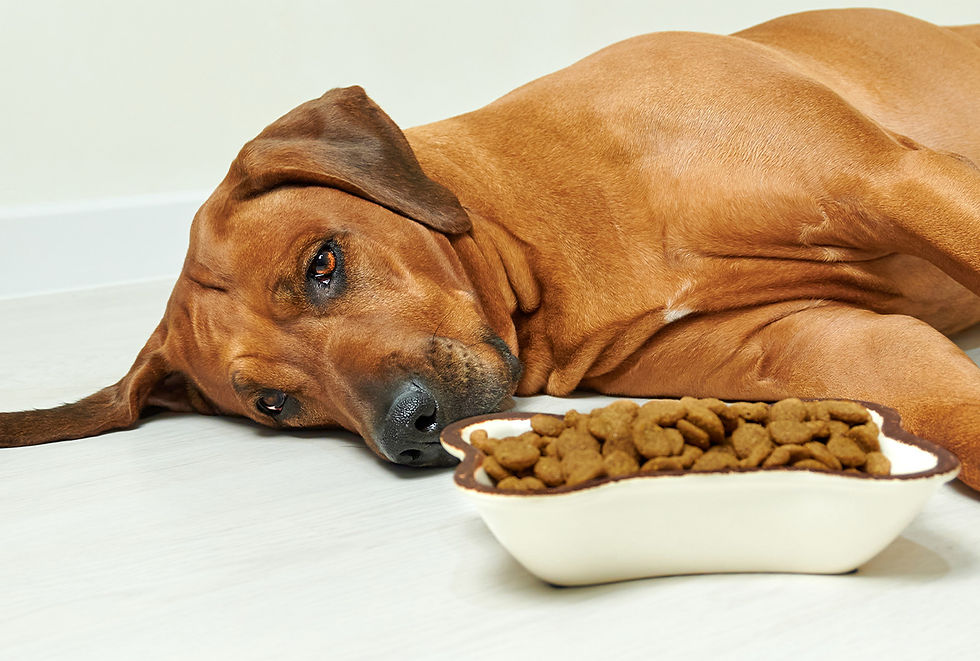
Since the dog flu is caused by a virus, rest and supportive care are the primary treatment protocols for pets. As with people, the virus simply needs to run its course. However, your vet can administer treatments to help your dog feel better as they are recovering.
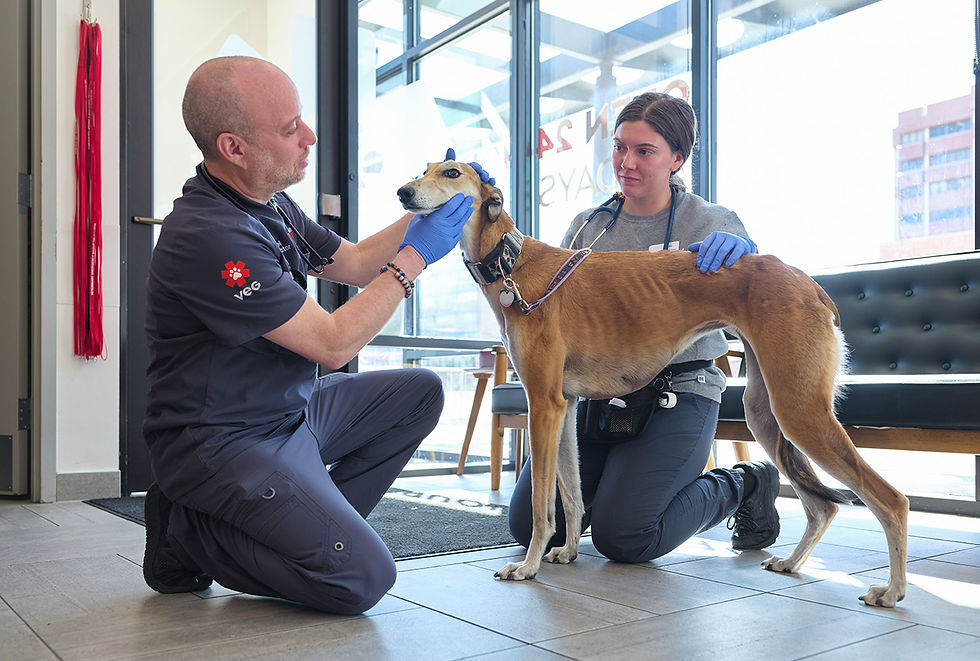
Veterinary intervention may include in-office IVs or short hospital stays to provide treatment for dehydration or lung complications. Most pets will be sent home with a few medications that will help keep them comfortable as they are getting better on their own. Brachycephalic breeds, who are more susceptible to secondary breathing issues, may remain hospitalized until they are able to breathe without discomfort.
Vaccination helps protect your dog and vulnerable pet populations from flu
Your primary care vet will likely recommend that all of your pets are vaccinated against the flu to try and prevent them from experiencing the worst of the symptoms that can be associated with this illness.
While the vaccine cannot completely prevent your dog from getting the flu, it can make their symptoms much milder, shorten the duration of the illness, and help stem its spread to other pets as well. VEG does not perform vaccinations; please speak to your primary care veterinarian about getting the vaccine for your dog.
How long it could take your dog to recover from the flu
Your dog can be sick from 2-4 weeks with influenza. During this time they are contagious, and need to stay away from other dogs. This means that they cannot be boarded, go to the dog park, or attend doggy daycare and should be isolated from other pets (both dogs and cats) in the house until their symptoms have resolved and they have been cleared by your veterinarian. You will also want your pet to avoid strenuous activity until they have started to feel better so that they do not relapse and become sick again.
Since secondary infections can be common with the flu, be sure that you keep an eye out on your pet for heavy breathing or if they seem to have no energy. This could be an indication that they might need to go back to the vet to be examined again for secondary infection or other complications related to their case of the flu.
Can dogs get colds?
Yes, like humans, dogs can catch colds as well as the flu and are more prone to upper respiratory infections in colder months due to more time spent indoors and close contact with other dogs who may be sick, according to the ASPCA.
Dog colds are a general term for relatively mild, species-specific upper respiratory infections or CIRD (Canine Infectious Respiratory Disease) such as Kennel Cough. Kennel Cough and other respiratory illnesses can be either viral or bacterial, but as previously noted, Canine Influenza is a more serious infection caused by either the H3N8 or H3N2 virus.
The intensity and combination of symptoms are distinguishing features between dog flu and dog colds. Dog flu symptoms are typically more severe and systemic – higher fever, more intense lethargy, persistent cough – whereas cold symptoms may be limited to less intense coughing and sneezing with mild or no fever.
Cold symptoms vs. flu symptoms in dogs
Sneezing, coughing (wet or dry sounding), mild lethargy with eye and/or nasal discharge are the most typical symptoms of a cold in dogs. Your dog may run a low-grade fever as well. Appetite may be reduced, but your dog will probably still show some interest in food. While initial symptoms of a cold or flu can be similar, the severity of them is not.
Cold Vs. Flu Symptoms in Dogs
DOG COLD | DOG FLU | |
Symptom onset | 2-10 days after exposure | 2-4 days after exposure |
Illness duration | 1-2 weeks | 2-4 weeks or longer |
Normal to reduced | No desire to eat or drink | |
Occasional, dry, hacking, honking | Prolonged, persistent, intense | |
Eyes | Watery, may be red, clear discharge in eyes | Watery, red, cloudy discharge in eyes |
No fever (100-102.5ºF) to mild fever (103ºF) | High (>103ºF) to serious fever (>106ºF) | |
Mild | Can be severe | |
Occasional, clear discharge | Discharge is thick, yellow/green |
Dog has a cold? Red flags and when to take them to the vet
While most dogs recover from their colds without any issues, it’s important to note that cold symptoms are hard to distinguish from early symptoms of dog flu.
If your dog is a puppy, senior, has pre-existing health issues or is a brachycephalic breed (short-nosed pug, bulldog, etc.) it’s best to bring them to your vet at the first signs of sneezing or coughing.
Warning signs when dog has a cold
Regardless of age or breed, if your dog displays any of the following symptoms, bring your dog to your vet immediately.
Treating your dog's cold
DO provide supportive care for your pup that includes rest, hydration and humidity.
DO NOT give your dog over the counter cold medicines for humans! Your vet can determine which if any medications your dog should be on for his cold. This may include antibiotics for secondary infections or for kennel cough, or anti-inflammatories or cough-suppressants for severe/persistent symptoms.
Use a humidifier in the room with your dog or bring them into the bathroom after you’ve run a hot shower and the room is steamy to ease congestion. Do not use oils or scents in the humidifier.
Avoid exposing your dog to irritating smoke, fumes from cleaning products, air fresheners or candles.
Make sure your dog has a place (or several!) where he/she can rest comfortably, quietly and undisturbed.
Keep your dog away from drafts, but also steer them away from space heaters, wood stoves for fireplaces which can be drying for irritated airways. Review our pet fire safety blog prior to setting up heating sources near your pet.
Encourage hydration by providing low-sodium broths (bone, chicken, beef) in either liquid form (tepid, not hot) or freezing broth for ice shavings or cubes to give your dog.
Loosen collar on your dog in the house since it can place pressure on the throat and trigger coughing.
If you have a multi-dog household, keep your sick dog isolated from your other dog(s) since colds are very contagious. Make sure to clean/disinfect food and water bowls, toys, blankets, etc. and don’t let your other dogs share items with your sick pup.
Your dog can only spread his/her cold germs to other dogs – not to you or your family, or even your family cat. And you can’t spread your cold germs to your pets.
Just like people, some pups may want to cuddle more when they’re feeling sick while others want to keep to their own space. Respect your dog’s needs so they can feel better, heal quickly and get back to being their lovable healthy self ASAP.
Don’t wait, bring your dog to VEG ER for Pets pet hospital for flu
Early intervention for canine influenza or cold will ensure your dog is as comfortable as possible while navigating the illness, and minimize risk of secondary infections and/or worsening symptoms. Additionally, having your dog properly diagnosed will allow you to isolate your pet from other dogs and cats to help contain the risk of a larger outbreak.
For more information on dog flu, contact VEG emergency vets. VEG has locations all over the country, with compassionate emergency vets who are available 24/7 to help you and your pet. When you come to VEG ER for Pets, you can be rest assured that your dog will get the proper care and focused attention they need.