Updated: Apr 9
Has your dog stopped eating suddenly? Are you worried about what’s causing your pet to avoid food? You may have even tried everything including giving them their favorite treats with no luck. While this problem is not uncommon, it's important not to ignore when your dog stops eating as it could be a sign of a more serious underlying issue.
In this article, we'll cover:
Reasons why your dog may not be eating—from common to moderate to severe causes, and when it's an emergency situation
What to do if your dog is not eating, but is drinking water
What to do if your dog hasn't eaten in two days
At-home ways to try to get your dog to eat
You can use this as a guide to narrow down the possibilities on what may be wrong with your pet and when to take your dog to the ER vet. Read on to find out more!
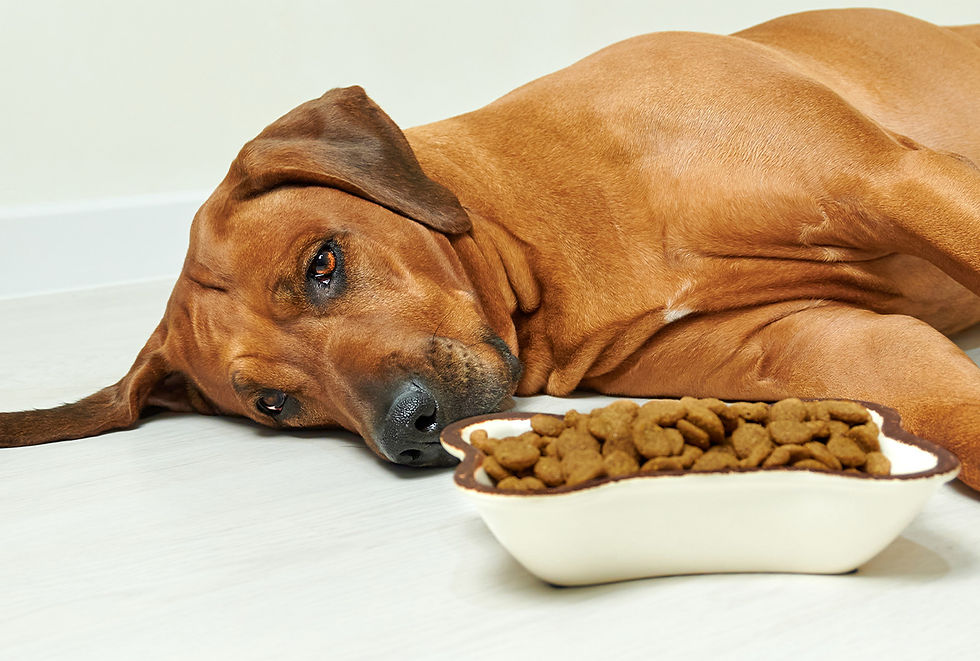
Mild causes why your dog is not eating
Food change could cause a dog to avoid eating
One of the most common and least concerning causes of a loss of appetite in dogs is a change of food or treats. If you have suddenly changed your dog’s food brand, blend, or flavor, or if you’ve started giving different treats than they are used to, then your pup may not be interested in the new food for a while.
The best method for changing your dog’s food to a new type is to slowly mix in a little bit at a time, increasing every couple of days until they are eating only the new food and none of the old.
Dog not eating? Your pup may have stomach upset
Stomach upset can be caused by a wide range of problems, and sometimes it is caused by nothing really at all. If your dog has a minor upset stomach, they may lose their appetite for a day or two. This is normal, and it is typically nothing to worry about if their appetite returns after a couple of days. If your dog continues to have no appetite after about 48 hours, or if their appetite loss comes and goes very frequently, then you should take them to the veterinarian to be checked out.
Dog's stomach is gurgling but dog won't eat
Rumbling and grumbling sounds (also called borborygmi) happen when gas or fluid moves through your dog’s intestines. A little gurgling is normal—but when it’s loud and your pup’s skipping meals, it could signal discomfort.
Common causes for why your dog’s stomach is gurgling but they’re not eating include:
Dietary indiscretion: Eating something bad like garbage or greasy table scraps
Pancreatitis: Inflammation of the pancreas Infections
Gastroenteritis: Inflammation of the stomach and intestines
Intestinal obstruction: Blockage in the digestive track
Behavioral or environmental factors causing food avoidance in dogs
If your dog is not eating food but acting normal, it may simply be due to behavioral or environmental reasons, including:
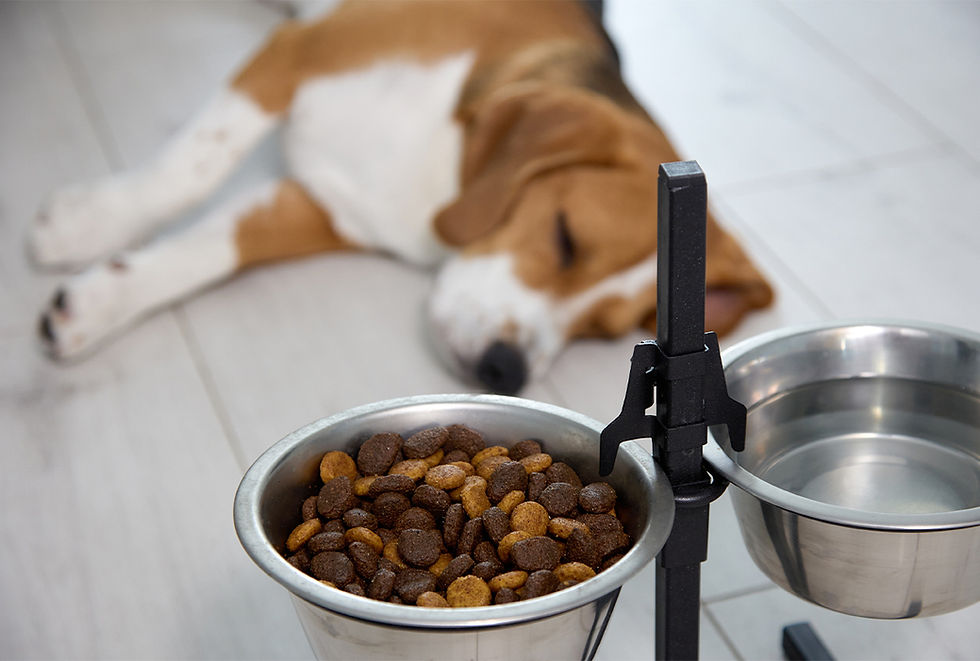
Moderate causes for loss of appetite in dogs
Pain can cause dog to avoid food
Pain is a moderate, general cause that may contribute to a loss of appetite in your dog. If your dog has any type of pain—from arthritis to dental pain and everything in between—she may stop eating temporarily because it is uncomfortable for her to try. Dogs who are in pain from dental issues or from a sore throat may not feel like chewing or swallowing food. Dogs in pain from other sources may feel nauseated or simply unwell.
Illness may cause dog to lose appetite
Most types of canine illness cause a loss of appetite. Dogs may stop eating for a while if they have any type of illness, including common respiratory problems, stomach bugs, and more. Chronic and terminal illnesses may also lead to longer-term trouble eating.
On the other hand, some dogs may also be sick if they have excessive appetites but lose a lot of weight anyway. This can be an indicator of certain types of cancers as well as hyperthyroidism. Take your dog to the vet if she has any changes in her eating behavior that last for more than a couple of days.
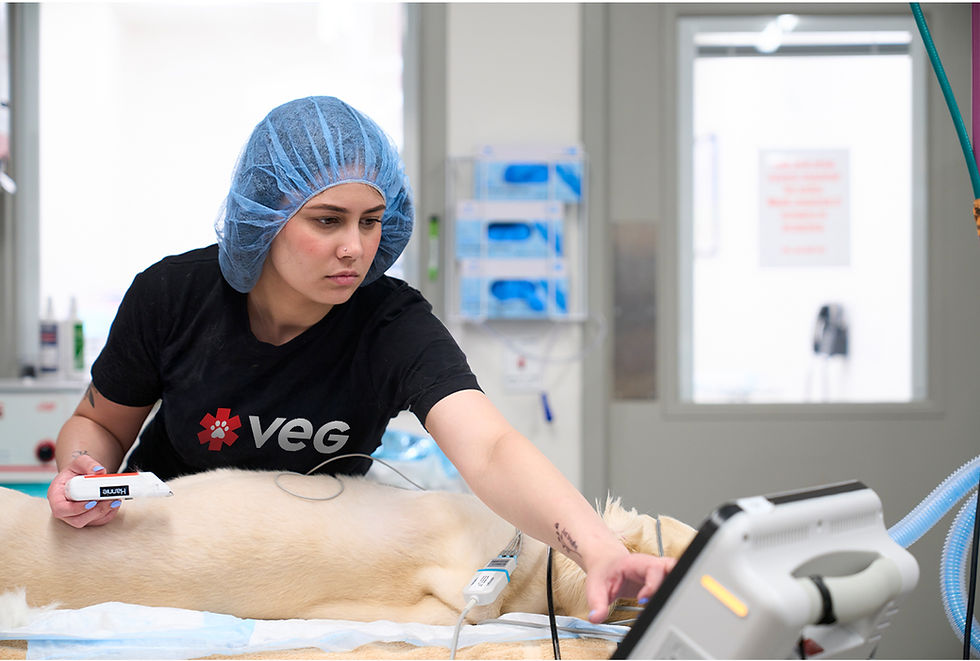
Severe causes for dog not eating
A dog's disinterest in food could be due to an intestinal blockage
One of the more serious potential causes of a loss of appetite in dogs is intestinal blockage. If your dog swallows a foreign object that becomes lodged somewhere in the digestive system, it may cause an intestinal blockage that can become fatal if left untreated.
If your dog is vomiting blood or stool, or if she has severe pain when her abdomen is touched, you should take her to the emergency vet right away. Surgery may be warranted in these cases.
Dogs at end-of-life stage can stop eating
Sadly, one of the signs that a dog is nearing the end of her life is a loss of appetite. If you have a senior dog who has stopped showing much interest in food or water, and especially if she has known underlying health problems already, there is a chance that she is at the end of her life that may be affecting her appetite.
If you know or strongly suspect this might be the case, contact your veterinarian to discuss quality of life/euthanasia.
When a loss of appetite in dogs is an emergency
If your dog refuses to eat or drink, it can certainly raise a few red flags. Below you’ll find out how you can determine the severity of the situation.
Mild/short term issues that cause loss of appetite
If your dog hasn’t eaten all day, it’s important to monitor the situation closely to ensure it doesn’t worsen. If this is a short term problem then your dog may simply be showing symptoms of stress, a mild upset stomach, a recent vaccination, or they may just be bored of their food.
Emergency situations that can cause a dog to not eat
If your dog hasn’t eaten in two days, this can be a sign of a more serious issue which requires urgent veterinary care. Warning signs that your dog may be facing an emergency include: lethargy, vomiting, diarrhea, sudden weight loss, or refusing both food and water
If your dog hasn’t eaten in two days or their refusal to eat lasts more than 24 hours and is paired with other symptoms, take them in to see an emergency vet right away.

At-home remedies to try and get dog to eat
IMPORTANT: While the loss of appetite can be a short term issue, if accompanied with more severe symptoms like abdominal pain, bloody stools or vomit, it can be a sign of something more serious in your dog which requires immediate attention from either your primary care vet or a VEG emergency vet.
Listed below are tips on how to get your dog to eat.
Switch to wet dog food or try warming dog food up
The strong scent and softer texture can make food more appealing and easier to chew, especially for picky eaters or older dogs. Try microwaving the food for just a few seconds to release the scent. Adding some wet food into the mix can also pique your dog’s interest to eat again.
Hand feed dog or offer bland diet
Sometimes, feeding by hand can provide comfort if your dog is feeling anxious.That alongside a gentle meal, like boiled chicken and rice, may just convince your picky pup to eat.
Check for spoiled food or damaged bowls
Be sure to check that your dog’s food hasn’t gone bad and that their bowls are clean and undamaged. Even small cracks or lingering odors can be enough to make your dog avoid eating.
Reduce stressors in their environment
Loud noises, visitors, or schedule changes can cause stress and impact appetite.Try feeding your dog in a quiet, familiar space and keep meal-times consistent.
When home care is fine vs. when to call a VEG vet
Wondering when to take your dog to the vet, if not eating? If your dog skips one or two meals but seems otherwise fine, home care is usually okay. But if they refuse food for more than 24 hours, show other symptoms, or you’re just not sure what’s going on, don’t wait – a quick visit to the vet can help catch problems early and give you peace of mind.
Remember, at VEG you’ll always find an emergency vet for a dog that won’t eat.
Contact VEG ER animal clinic if your dog refuses food
Many of the potential causes of appetite loss in dogs are mild to moderate. Although they do still need attention from the vet in most cases, they are not anything too serious. However, since some potential causes are very severe, it is important to work with your vet to find the right diagnosis in a timely fashion.
Your vet will perform a variety of tests and blood work to determine your dog’s diagnosis. From there, the vet will help you choose the right treatment or management, or help you decide on other options instead.
For more information contact VEG by calling one our animal hospital locations. At every VEG location, our emergency veterinarians are available 7 days a week and are fully equipped to help find the underlying reason why your dog isn't eating. We’ll work with you on the best treatment plan to make sure your dog gets the amount of food they need to stay healthy.