Updated: Sep 8
Natural water doesn't always mean safe water.
A quick splash in the lake. A drink from the shoreline. A game of fetch in a pond on a hot afternoon can be enough to cause a medical emergency for your dog.
Blue-green algae is a hidden danger that can turn deadly fast. Despite its name, blue-green algae isn’t actually algae. It’s a type of bacteria called cyanobacteria that can produce powerful toxins. Even a small amount of exposure can impact the liver, nervous system and other organs — making it life-threatening for pets within hours — and sometimes minutes. The scariest part? The water doesn’t always look dangerous.
This is definitely not a “wait and see” situation. That’s why knowing what to watch for — and when to seek immediate emergency care at VEG ER for Pets — can make all the difference.
What is blue-green algae
Blue-green algae (cyanobacteria) are microscopic bacteria that grow in freshwater environments like:
Lakes
Ponds
Streams
Reservoirs
Slow-moving water
Decorative backyard water features
According to the ASPCA, toxic blooms most often occur in freshwater during warm (over 75°F), sunny weather.
The two major categories of cyanobacteria include:
Some cyanobacteria produce toxins that are extremely dangerous to pets. The two toxins below can become life-threatening very quickly.
Hepatotoxins – toxins that damage the liver
Neurotoxins – toxins that affect the nervous system
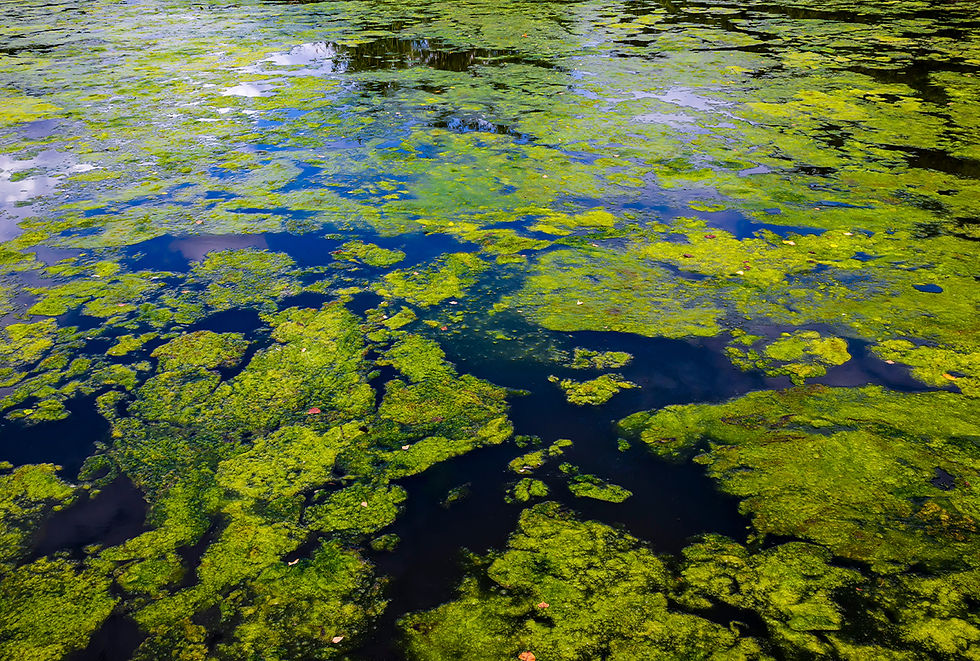
What does blue-green algae look like?
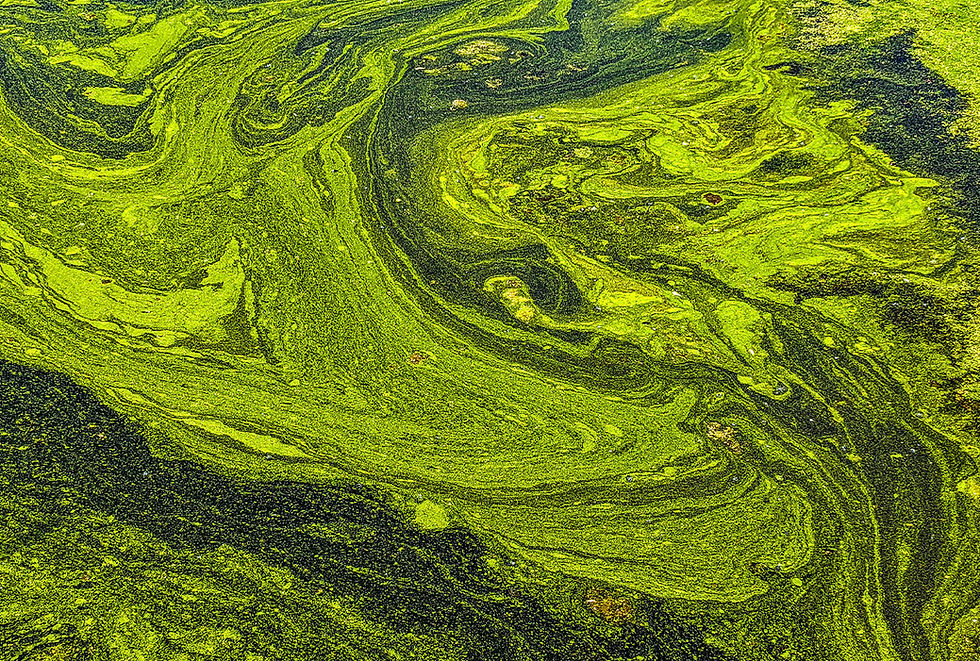
Blue-green algae often forms surface scum or mats that may appear:
Blue-green
Bright green
Brownish-red
Paint-like
Foamy
Like spilled pea soup
But appearances can vary.
Some contaminated water may only look slightly cloudy or have streaks floating near the shoreline. In some cases, toxins may remain in the water even after a visible bloom disappears.
If the water looks suspicious, stagnant, discolored, or has warning signs posted nearby, keep your pet away entirely.
How are dogs exposed to blue-green algae
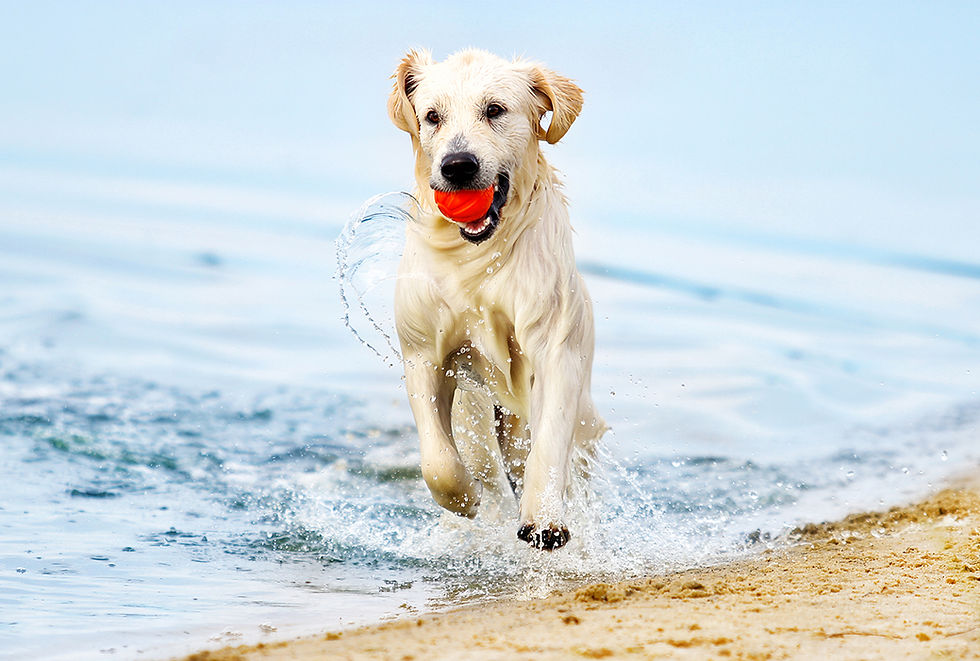
Dogs don’t just swim in water — they interact with it constantly.
They drink from it. Splash through it. Retrieve toys from it. Then they lick their fur and paws afterward.
That means exposure can happen through completely routine activities, like:
Swimming or wading in affected areas
Grooming algae off their coat
Playing near shorelines where algae collect
Symptoms of blue-green algae toxicity in dogs
Symptoms depend on the type of toxin involved and how much exposure occurred. Signs can develop rapidly — sometimes even within minutes.
Common symptoms of blue-green algae poisoning may include:
Excessive drooling
Weakness
Difficulty walking
Muscle tremors
Collapse
Pets exposed to liver toxins may also develop:
Dark urine
Jaundice (yellowing of the eyes or gums)
Neurotoxins can progress especially fast and may lead to paralysis or respiratory failure or death.
Should you seek emergency veterinary care if your dog contacts blue-green algae?
Yes, immediately contact an emergency vet. Do not wait until “later if symptoms get worse.” Not “after monitoring overnight.”Not “if they vomit again.”
If your pet:
Swam in suspicious water
Drank from a questionable lake or pond
Suddenly becomes sick after water exposure
Develops tremors, weakness, vomiting, or neurologic signs
… call your nearest VEG animal hospital or the ASPCA Poison Control (888-426-4435) immediately if your pet shows any symptoms after being near a pond or lake.
Blue-green algae toxicity can progress rapidly, and early treatment gives pets the best chance of stabilization and survival.
What to do if your dog is exposed to blue-green algae
If you believe your pet came into contact with blue-green algae, there are some steps to take to give your dog the best chance for survival.
Steps pet parents should take after dog's blue-green algae exposure
1. Remove your pet from the water immediately.
Quick removal from the contaminated water can help prevent additional exposure from dog gulping or sipping water.
2. Stop your pet from licking their fur.
Use a muzzle or Elizabethan collar if possible to prohibit licking of fur. When dogs leave a body of water, their natural instinct is to lick their fur. It is critical that you find ways to stop additional exposure.
3. Rinse your dog thoroughly.
Use clean water (hose or bottle water) to rinse algae off your dog's coat, paws, and mouth if possible. Avoid getting the contaminated water on yourself, too.
4. Call an emergency veterinarian right away. Even if your pet seems normal initially, symptoms can appear quickly. Call VEG vet clinic while on your way to inform our vet staff of suspected blue algae/cyanobacteria exposure to your pet. This way, we already know what's going on when you get there, which saves precious minutes.
5. Bring your dog's information, if possible.
If safe to do so, take a photo of the water source or note the location. This may help the vet to assess possible exposure risks.
6. Contact the ASPCA Animal Poison Control Center
Calling the ASPCA's center at 888-426-4435 can be helpful, as they can provide additional advice, which may help keep things calm as you drive your dog to VEG. After all, it's an emergency, and if a dog senses panic, your beloved pet can develop anxiety or aggression, which will make the situation even more difficult for you.
Tips to prevent blue-green algae exposure
Being aware and vigilant is key in preventing emergencies. Some reassuring data from the ASPCA reveals calls on blue-green algae have decreased over the years (small breakdown below):
2020- 191 cases
2021 – 207 cases
2023 – 173 cases
2024 - 153 cases
2025 - 98 cases
Top tips to reduce risk of exposure:
Prevent pets from drinking from lakes or ponds
Avoid stagnant or discolored water
Look for posted algae warnings
Bring fresh drinking water for pets on hikes and outings
Supervise your dog closely near shorelines
Rinse them after swimming in natural water
If you’re unsure whether water is safe, keep your pet out of it.

How emergency vets treat blue-green algae toxicity
When you bring your dog to your nearest VEG animal hospital, our vets will follow a protocol based on the situation.
Treatment for blue-green algae may include:
Induced vomiting or stomach pumping
Activated charcoal to absorb remaining toxins in the gut
Thorough bathing to remove toxins from fur and skin
IV fluids and electrolytes to maintain hydration and support kidney function
Medications to manage tremors, convulsions, and liver support
Oxygen for respiratory support
The earlier treatment begins, the better the chances of improving outcomes. So, bring your pet to your nearest VEG emergency animal hospital as soon as blue-green algae exposure is suspected.
Blue-green algae: is it still dangerous if the water looks clear?
Yes, even clear water can harbor blue-green algae toxins. The big problem with blue-green algae is that you won't always know when it's present. As noted above in this article, the bloom may disappear yet leave behind harmful bacteria.
Some pet parents can get lulled into a false sense of security because their dog has never gotten sick after drinking from a body of water. Unfortunately, just because it hasn't happened, doesn't mean it won't in the future.
Here are some things pet parents may think and why they should show caution above all else.
Common myths about blue-green algae
Myth: “If other dogs are swimming in it, it must be safe.”
Fact: Not necessarily. Toxic blooms can affect pets differently depending on exposure amount and toxin concentration.
Myth: “Clear water means clean water.”
Fact: False. Harmful cyanobacteria may still be present even when water looks relatively normal.
Myth: “A small sip can’t hurt.”
Fact: Unfortunately, even small exposures can become severe.
Myth: “I’ll wait and see if symptoms develop.”
Fact: Waiting can delay critical treatment. See urgent veterinary care right away!
ACT FAST: Blue-green algae toxicity can progress rapidly. Early treatment gives pets the best chance of survival.
Blue-green algae pet interaction? VEG animal hospital is open 24/7
Call and speak to an emergency doctor right away or walk in: no appointments needed or taken.
Remember: Water does not have to look obviously dangerous to be unsafe. If you suspect or know that your pet has had a close encounter with blue-green algae, don’t wait. Have your pet evaluated and treated by one of our emergency vets, who are experts at expecting the unexpected!