Caught your curious pooch digging in the compost pile? Nabbed your nosy cat nibbling soil from a houseplant? Our pets love to poke around where they shouldn’t. But compost, while it’s natural and seems relatively harmless, may contain toxins, mold, bacteria, and other materials that can spell trouble for your furry little inspector.
Read on to learn more about the dangers of compost ingestion in pets, how to recognize the warning signs of compost ingestion for your cat or dog, and when to seek emergency care at your nearest VEG ER for Pets if your pet ate compost.
Why compost can be dangerous for pets
Compost: Great for the planet, not so great for your pet. Made from decomposing organic material like food and plant waste, compost can be used to enrich soil and promote moisture retention in your backyard and as a nutrient-rich mix for potted plants. But where there is natural waste and moisture, mold and bacteria are never too far behind.
Signs of mold ingestion in pets
Most types of mold, when ingested by your curious pet, can result in mild gastrointestinal discomfort like vomiting or diarrhea. But certain molds, like the ones that grow on discarded dairy, grains, shells, and husks, are a bit more pernicious, producing dangerous toxins called tremorgenic mycotoxins. These life-threatening toxins can affect the brain and nervous system, causing tremors and seizures in animals.
In addition to mold, bacteria like Salmonella and E. coli may run rampant in compost as waste decomposes.
Also likely to be in the mix? Discarded items from your kitchen like grapes, garlic, onions, and coffee grounds that are already off-limits for your pets, as well as choking hazards like corn cobs, chicken bones, and avocado pits.
Ingesting any amount of these items can lead to rapid neurologic and gastrointestinal issues for your pet. If your pet has had a run-in with the compost heap, bring them to your nearest VEG emergency vet location immediately for emergency care from our veterinarians.
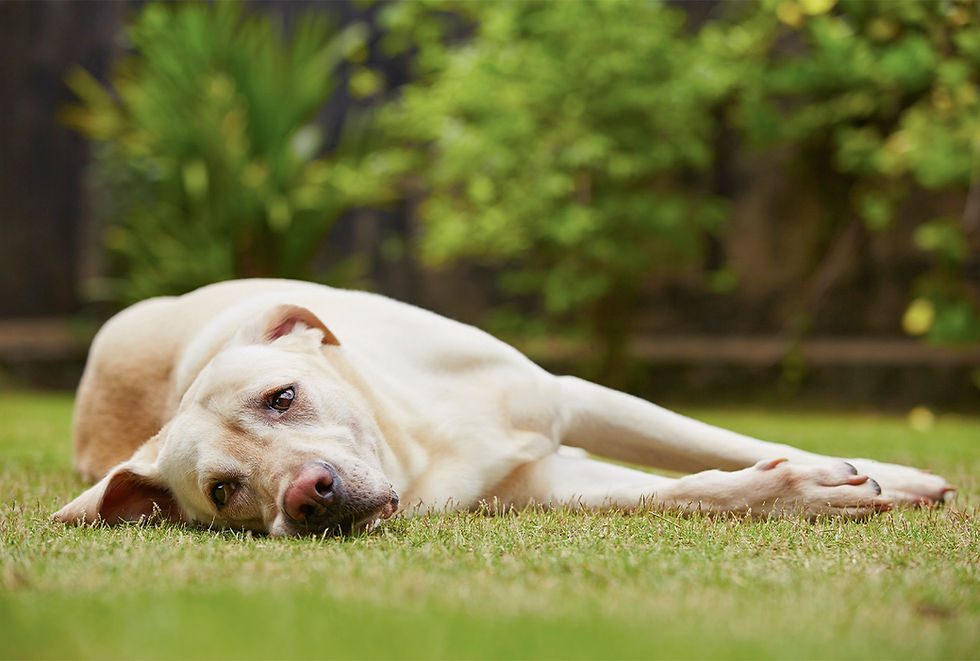
When is compost ingestion in pets an emergency?
Compost ingestion should always be treated as an emergency. If your pet ate compost, or even if you suspect that your pet may have eaten compost, bring them to your nearest VEG location right away, as the situation can become very serious, very fast.
Signs your dog or cat may have eaten compost
Here are some signs to look out for if your cat or dog ate compost:
Early symptoms of compost ingestion in pets:
Progressive or severe signs of compost ingestion in pets:
Symptoms may appear within 30 minutes to several hours after exposure and can escalate quickly. If your pet has eaten compost and exhibits any of these symptoms, seek emergency care at your local VEG immediately.
What to do if your dog or cat eats compost
So your pet ate compost—now what? First, remove their access to compost to prevent further ingestion. Note what was eaten and how much (if possible). Then call your nearest VEG emergency animal hospital right away for emergency guidance. Do not wait for symptoms to appear, and do not induce vomiting unless directed to do so by a veterinarian.
What to expect at the emergency vet if your pet eats compost
When you bring your pet to our 24-hour animal hospitals, our emergency veterinarians will assess their condition and provide professional recommendations and treatment.
Emergency care for cases of compost ingestion in pets may include:
Inducing vomiting (if early and appropriate)
Administering activated charcoal
IV fluids
Medications to control tremors or seizures
Keeping your pet under observation for a period of time
Hospitalization (if symptoms are present, we will generally suggest hospitalization)
Early treatment can drastically improve outcomes for your pet, so the sooner you can get care for your pet, the better their chance of recovery.
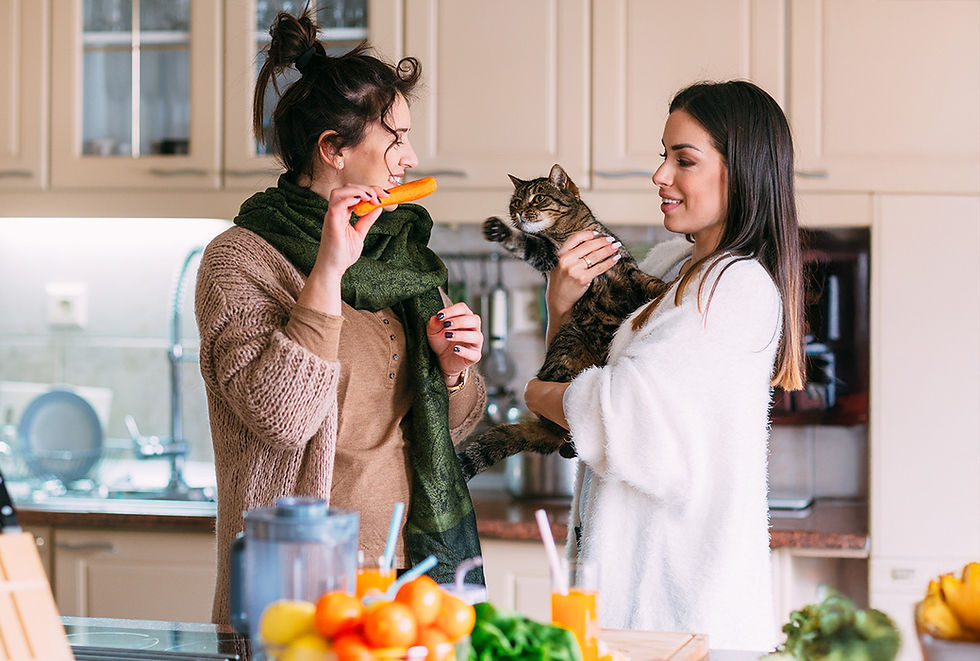
How to stop your dog or cat from eating compost
If you’re a pet parent and composting is important to you, make sure you’re composting responsibly! Here are some pet-safe composting practices you can follow to help protect your pet, whether you compost in the kitchen or have a compost pile in your yard.
Prevention tips to stop your pet from eating compost:
Always secure your compost bins with tight lids
Fence off outdoor compost to keep your pets and local wildlife out
Don’t compost dairy or meat products
Keep kitchen scraps out of reach of your pet
VEG animal hospitals are open 24/7/365 for every pet emergency
Compost ingestion in pets can quickly turn into a life-threatening situation. If your pet has eaten compost, call or visit any of our VEG hospital locations around the country to speak with an emergency veterinarian. Our team of experts is available 24 hours a day, 7 days a week (even on holidays!) to provide emergency care for your pets and easily accessible support for you. At VEG, you’ll see a doctor right away, and you never have to leave your pet’s side.