Updated: Jul 21
Pets are natural explorers. Unfortunately, their idea of “exploring” sometimes involves chasing, sniffing, or even pouncing on animals who mostly would prefer to be left alone.A baby bird on the ground, a squirrel darting across the yard, a sudden face-to-face with a coyote or a snake along a trail may seem like harmless encounters. But wildlife interactions can quickly turn into medical emergencies.
The good news? Knowing what to do — and when to seek emergency care at any VEG ER for Pets animal hospital — can help keep your pet safe after an unexpected run-in with wildlife.
What to do if your pet fights with a coyote
Coyotes are getting increasingly common in suburban and urban areas. While most of the time they avoid human and pet interaction, sometimes it’s unavoidable.
Why pets and coyotes might fight
Some of the most common reasons for the unfortunate face-off include:
Small pets resemble natural prey
Dogs chase or approach coyotes out of curiosity
Pets are left unattended outdoors
Coyotes are protecting pups during breeding season or hunting during mating season
Larger dogs trigger their territorial behavior
Injuries and risk of disease after a coyote attack
Coyote attacks can cause severe trauma, including:
Deep bite wounds
Punctures that damage muscles or organs
Internal bleeding
Serious infections from bacteria in bite wounds
Potential rabies exposure
What to do during a coyote encounter:
Try to scare the coyote away with loud sounds and by appearing big
When safe, remove your pet from the area immediately
Keep your pet calm and still
Avoid touching your pet’s wounds with bare hands
Once at a safe distance, call your local wildlife control if coyote is hurt
Go to a VEG emergency animal hospital Immediately If:
Your pet interacted with a coyote; it's best for your pet to be checked by our vet
Your pet was bitten
You see swelling or bleeding
Your pet appears weak, in pain or disoriented
Your pet is having trouble walking or breathing
Even small puncture wounds can hide serious internal injuries. Your pet may need:
Rabies booster vaccine
Wound care
Antibiotics

What to do if your pet fights with a raccoon
Raccoons may look cute, but they don’t play nice when threatened. They can be aggressive, fast, and capable of causing serious injury to pets. These interactions often happen when raccoons are most active, during dusk or nighttime.
Why pets and raccoons fight
Pets stumble into a raccoon’s space (yards, garbage areas, or wooded spaces)
Dogs may chase or corner raccoons
Raccoons may be protecting food, territory, or babies
What to do if your pet fights a raccoon:
Remove your pet from the area immediately
Avoid touching wounds with bare hands
Check thoroughly for bites and scratches
Keep your pet calm and restrict activity
Go to your nearest VEG animal hospital; it's always best to have your pet examined after an interaction with a raccoon. Your pet may need a rabies booster.
Injuries and risk of disease after a raccoon encounter
Any aggressive interaction can be especially dangerous for your cat or dog, as raccoons can cause serious physical injuries and often carry diseases.
Your pet may be at risk for:
Deep bite wounds and punctures that can trap bacteria under the skin
Scratches, often around the face and eyes
External injuries or internal trauma from a fight
Rabies exposure through bites or saliva
Leptospirosis from contact with contaminated environments
Parasites, including roundworms
Even small wounds can become severely infected or hide deeper damage.
When to go to VEG animal hospital:
If there was contact with a raccoon, it is not a “wait and see” situation.
Your pet was bitten or scratched
You see puncture wounds or bleeding
Your pet seems painful, weak, or disoriented
There’s any concern for rabies exposure
Remember, even if wounds look minor, your pet may need:
Wound care
Antibiotics
Rabies booster vaccine or post-exposure care
What if your pet encounters a snake?
Dogs and cats often investigate snakes with their noses or paws. Most snakes only bite when they feel threatened. Rapid treatment is critical if a venomous snake bite occurs.
Signs of a snake bite in pets
Symptoms can develop quickly and may include:
What to do if your pet was bitten by a snake
If you suspect a snake bite:
Act fast: Seek veterinary care, even if you suspect the snake was non-venomous
Move your pet away from the snake immediately
Keep your pet’s heart rate as low as possible; keep them calm and limit movement
Take a picture of the snake, if safe and possible or note its appearance
Remove collars and harnesses, as swelling can make them restrictive
Keep the bitten area below the heart level, if possible
Call ahead and let VEG emergency hospital know you’re on the way
Call your local animal control and inform them of the incident
Do NOT:
Apply a tourniquet to your pet
Cut the wound
Attempt to suck out venom
These actions can make the situation worse.
Seek emergency veterinary care at VEG immediately if:
Your pet encountered a snake
You witnessed a snake bite
You notice new puncture wounds
Your pet develops swelling or severe pain
Your pet becomes weak, disoriented, or collapses
Any snake bite should always be treated as an emergency. Contact VEG right away!

What if your pet interacts with mice?
Rodents are one of the most common wildlife encounters pets have — and one of the easiest to underestimate.
Why pets play with mice
What to do if your pet catches or eats a mouse or rat
Remove any remaining rodent material safely
Prevent further access
Seek emergency veterinary care; a vet can induce vomiting if necessary
Mice & rats: injuries & disease risks
Rodent encounters are often unexpected and quick. They can be dangerous to your cat or dog, especially if ingestion is involved.
Your pet may be at risk for:
Bites or scratches that can become infected
Bacterial infections from contact with rodent saliva
Internal parasites from ingesting rodents
Leptospirosis from contact with rodent urine or contaminated areas
Toxin exposure if the rodent has ingested rat poison (secondary poisoning)
GI irritation/upset stomach from eating rodent tissue
Blockage and obstruction from swallowing the mice
Because rodents are often carriers of disease and toxins, even quick interactions can lead to complications.
Call or go to VEG animal hospital right away if:
Your pet interacted with a mouse or rat
Your pet ate the rodent
You suspect poison exposure
There are bite wounds or swelling
Your pet develops any unusual symptoms
Rodent-related exposures can escalate quickly — especially if toxins are involved.
What if your pet fights with a squirrel
Squirrels often trigger a dog’s chase instinct. While squirrels usually try to escape, a cornered squirrel may fight aggressively.
Pet injuries from a squirrel
Confrontation with squirrels can result in:
Bite wounds
Scratches to the face or nose
Bacterial infections
Zoonotic (transmissible to humans) disease transmission such as leptospirosis or tularemia
What to do if your pet catches a squirrel (or fights with one)
Safely separate your pet from the animal
Check your pet for injuries
Pay close attention to the face, mouth, and paws
Clean minor wounds if possible with warm water and dish soap on a cotton ball, or run warm water on minor wound and pat it dry before heading out for emergency vet care
Call your local animal control and inform them of the incident
Contact VEG emergency hospital If:
Squirrel bites can introduce bacteria that cause serious infections.
What if your pet attacks a bird?
Baby birds falling out of nests, birds feeding on the ground, or injured birds may attract curious cats and dogs.
Risks of pets interacting with birds
Sheer curiosity may lead your cat or dog to pounce on birds. As a result, your pet could experience:
Scratches around the nose or face
Eye injuries from defensive pecking
Bacterial exposure
Parasites carried by wild birds
Avian flu, if your pet has bitten or ingested the bird
Blockage and obstruction from swallowing bones and feathers
How to protect your pet after bird interaction
Remove feathers or bird parts from your pet’s mouth, if safe
Check your pet carefully for scratches or wounds
Monitor your pet closely for the next 24–48 hours; your pet should be seen by an emergency vet after any interaction with a bird
Call animal control and inform them of the incident
Seek emergency veterinary care at VEG if your pet has:
Interacted with a bird; best to have your pet examined after any wildlife interaction
Visible eye injuries or is squinting
Scratching at their eyes or face
Redness around the eyes
Puncture wounds
Swelling or bleeding
Bitten or swallowed the bird

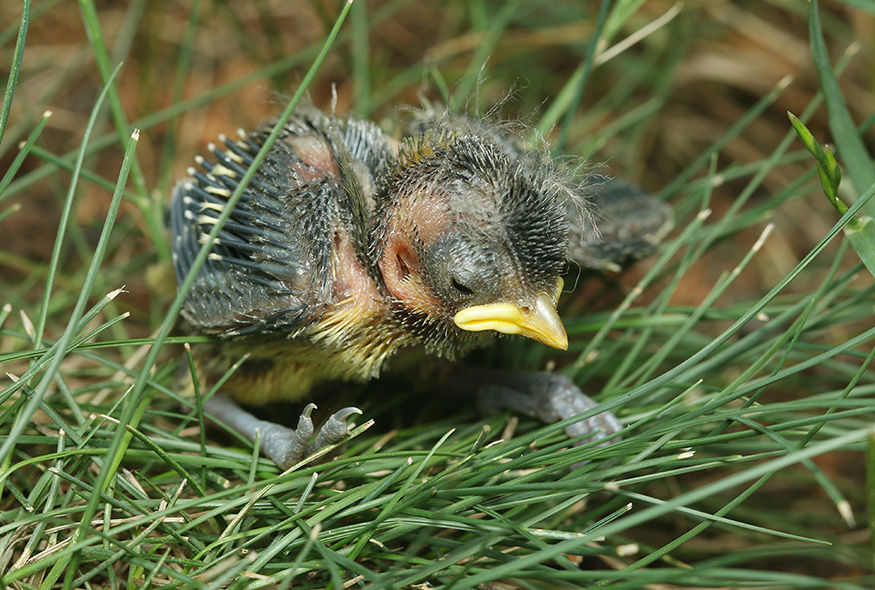
What should I do if I find a baby bird?
Seeing a baby bird on the ground can be alarming, but many young birds spend time outside the nest while learning to fly.
Steps to take if you find a baby bird
Do not touch the bird!
Determine the type of baby bird; nestlings have little to no feathers and belong in a nest; fledglings have feathers and may hop on the ground while learning to fly.
Look for the nest nearbyI f it’s a nestling and the nest is reachable, gently place the bird back in the nest.
Leave fledglings where they are. Parent birds are usually nearby and continue feeding them.
Keep pets away. Curious dogs and cats can accidentally injure the bird.
Contact your local wildlife control and let them know you found a baby bird on the ground.
What if my pet interacts with a baby bird?
Dogs and cats may grab at a baby bird out of curiosity. Even brief contact can cause serious injuries to the bird—and occasionally to your pet.
What to do if your pet picks up or bites a baby bird
Move your pet away from the bird immediately
Secure your pet indoors or on a leash
Check your pet for injuries
Contact your local wildlife control to inform them about the situation
Risks to your pet after bird interaction
Even though birds are often the injured ones, pets may also experience:
Pecks or scratches, especially around the eyes or nose
Small bite wounds
Exposure to bacteria or parasites carried by wild birds
Digestive upset if feathers or bones are swallowed
Head to a VEG animal hospital if your pet has:
Interacted with a bird
Eye injuries or squinting
Bleeding or puncture wounds
Swelling around the face
Stressed or unusual behavior
Even minor wounds can become infected quickly.
Act fast: VEG animal hospitals are open 24/7 for your pet emergencies
Wildlife encounters can turn into pet emergencies quickly. VEG animal hospitals are open 24/7. Do not bring the wildlife to VEG, call your local wildlife control agency. But your pet is welcome day or night at VEG! Call or walk in: no appointments taken.
If your pet has had a close encounter with wildlife, keep an eye on them for signs of injury or illness and bring them into your nearest VEG. It’s always best to play it safe and have your pet evaluated and treated by one of our emergency vets, who are experts at expecting the unexpected!


