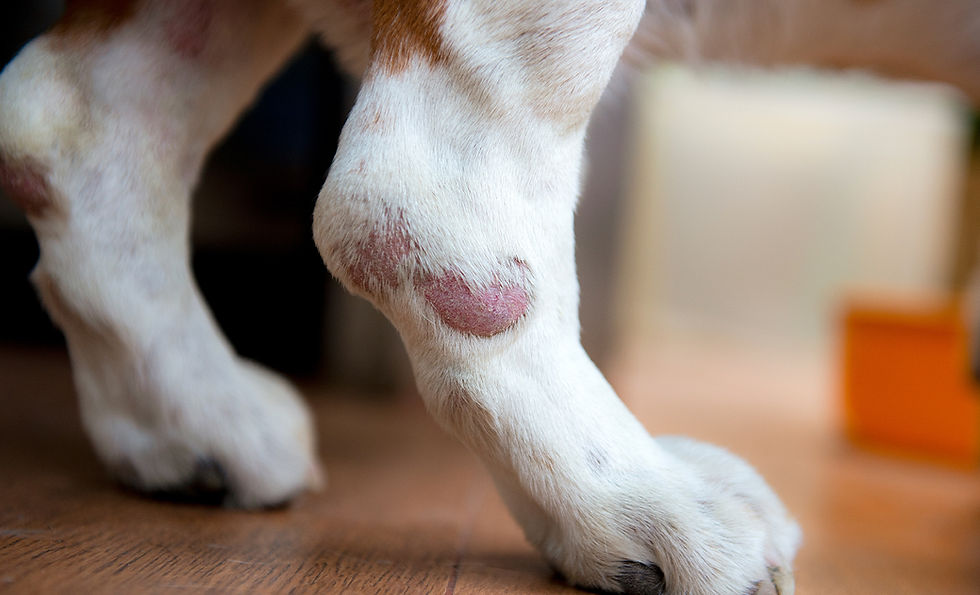
When you notice dogs itching, licking, and pawing, it’s possible that they have a classic case of hot spots (pyotraumatic dermatitis). Let’s explore what dog hot spots are, how they can affect your pup’s health and when to hit up your friendly neighborhood vet at VEG ER for Pets.
What are hot spots on dogs?
Hot spots on dogs, medically known as pyotraumatic dermatitis or acute moist dermatitis, are areas of inflamed, infected skin. They can appear out of nowhere and can cause discomfort and pain for your dog. It's important to catch the symptoms early so that they don’t get worse. They can get worse quickly once they start!
What causes hot spots on dogs?
There are a few things that can cause hot spots in dogs. Here are some triggers that often lead to this scratchy skin condition:
Allergies (environmental or food-related)
Insect bites – even microscopic skin mites
Underlying skin infections (yeast or bacterial overgrowth)
Understanding what caused the hot spot in your dog is important in preventing future outbreaks. Regular check-ups with your primary care vet can help solve that mystery. If the scratching and licking is severely irritating your dog, walk right into a VEG emergency vet hospital anytime, day or night, and we’ll provide expert emergency care for your dog’s skin condition.

What do a dog's skin hot spot symptoms look like?
The sooner you identify the early signs of hot spots, the quicker you can get your pet some relief. Hot spot symptoms show up fast and can cause a lot of discomfort for your pup.
Hot spot symptoms in dogs include:
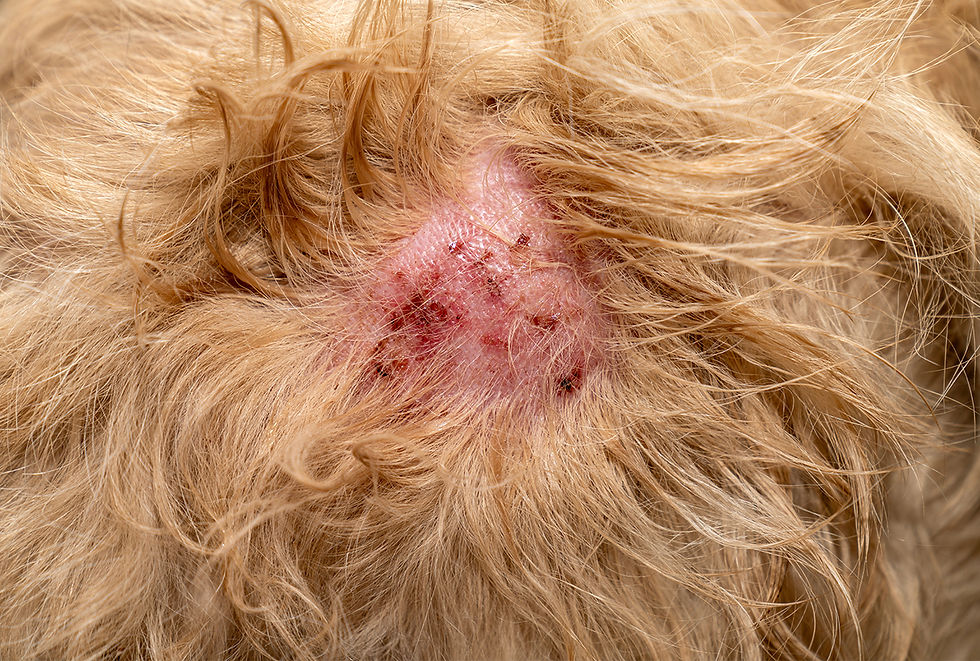
Red, inflamed skin
Constant licking or scratching at a specific area
Hair loss around the affected spot
A noticeable foul odor
Moist or wet irritated skin
Can hot spots heal on their own?
No, hot spots are not prone to going away on their own and require professional veterinary intervention to heal properly. In addition to applying a topical antibiotic and/or prescribing antibiotics, a vet can determine the severity of the infection and any other complications that may arise due your pet’s open lesions.
Below are some home treatments you can use to help ease the condition for your dog until you can get to the vet. We recommend going as soon as possible to the vet for your dog’s hot spots.
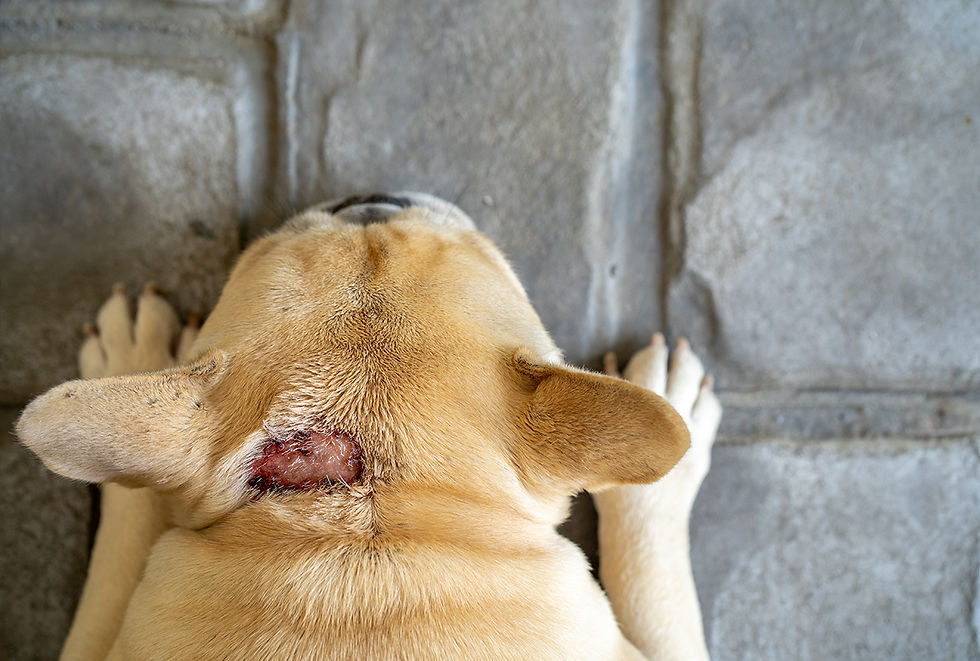
Hot spots show up as raw, exposed lesions and cause considerable pain and itchiness to your dog. Without prompt veterinary care, a dog’s hot spots can quickly enlarge, as infection grows. What’s more, a dog’s inclination is to lick, chew, or paw at the affected area, which leads to further damage to your pup’s skin.
Are dog hot spots an emergency?
Yes, treat dog hot spots as an emergency. Though they’re not life-threatening, they can spread rapidly. If your dog is showing signs of hot spots, know that they’re extremely uncomfortable from the itching and may be in pain.
Our emergency vets are here 24/7 to help ease your dog’s condition and lead them on a safe path to healing.
Are hot spots contagious?
Here's a bit of good news: hot spots on dogs are not contagious.
How can I prevent my dog from licking hot spots?
It's important to take your dog to the emergency vet at VEG if your pet has hot spots.
Hot spots can lead to infection and it's important to address this condition asap with an emergency vet. Your dog will likely continue to lick the wound but here are a few steps you can take to help relieve his frustration or prevent access to the hot spot until you can get to VEG:
An Elizabethan collar aka e-collar or cone is one of the best investments you can make for your dog during this time! The e-collar will help prevent the dog from getting to the spot and prohibit licking or scratching of the area. Inactivity to the wound will help the skin heal.
You can temporarily cover the area with loose, breathable clothing. For example, if the hot spot is on your dog’s paw or leg, a clean sock may do the trick. Be sure the clothing stays clean and dry; change and wash clothing as needed until your dog can be seen by an ER vet.
Do not bandage over the hot spot, as this will trap moisture and potentially worsen the situation.
Do not attempt to trim your dog's fur around the hot spot. (You'd be surprised how many lacerations our doctors see as a result of pet owners attempting to trim their pet's fur.)
If your dog continues to find ways to lick the hot spot area, consult your primary care veterinarian, who may prescribe a topical anti-itch medicine or a spray specifically for hot spot irritation.
How to treat hot spots on dogs at home
While you can take steps to relieve the itching and pain for your dog, hot spots should be viewed as an emergency.
It is necessary for your dog's health to visit to your general family vet or VEG ER for Pets for treatment. Hot spots won’t disappear and can get out of control. Avoid the pain for your dog and the worry for you and get to the vet at the first signs of a hot spot on your dog.
Some signs and symptoms that may present before you can get to the vet include: inflammation, bleeding, increase in size, or signs of infection such as a foul odor and oozing or discharge at the site. A vet can determine what’s causing your dog’s hot spots and provide prompt treatment. At VEG, we may prescribe antibiotics and medication, and send your dog home with an Elizabethan collar to deter access to the wound.
That said, you can start at-home care for hot spots to help keep your dog more comfortable before you can get to the vet. Fasten an Elizabethian collar (dog cone) on your pet to prevent your dog's further interaction with the hot spot.
Do not cover the hot spot with petroleum jelly or any type of anti-itch gel. Never use antibiotic medications formulated for humans on a dog.
How to manage and prevent hot spots on dog's skin
To prevent hot spots from showing up on your dog, there are a few things you can do:
Groom your dog regularly - regular brushing of your dog’s fur can help you spot the early signs of skin irritation or infection. If your pet has sensitive skin that gets easily irritated from grooming, check with your primary care veterinarian for product recommendations.
Control your dog’s diet - A balanced dog diet can be a game changer for their skin health. Pay attention to your dog’s diet and look for any signs of allergies. Food allergies can lead to skin irritation and hot spots. Food allergies are less common than environmental allergies.
Assess environmental factors - Some environmental factors like allergies from pollen, dust, and mold can also trigger hot spots on your dog. Keeping a clean home and minimizing exposure to these potential allergens can help reduce the risk.
Keep your dog occupied - Try mental stimulation, activity, and exercise to avoid hot spots. Stressed or bored pups may resort to excessive licking or biting, which can lead to skin irritation. Get their gears turning through regular exercise, playtime, and interactive toys. Keeping a calm and stable environment at home can also help reduce your doggy’s stress.
Make sure your dog is dried completely after swimming. Wet fur, particularly if matted, can increase the risk of hot spot development.
VEG is your hospital for dog's hot spot symptoms
We’ve more than scratched the surface of the hot spot topic. Fortunately, this is a common and manageable condition, but early intervention is key. Get to your nearest VEG for help with hot spots. Our emergency trained staff is here 24/7 to see your dog (and you, too!) through this annoyingly itchy adventure. We’ll get your dog relief right away. Remember, at VEG, you get to stay with your dog the entire time.