Suns out, paws out! Nothing better than having a day at the beach with your pup. If you’re planning this excursion with your four-legged family member, check out our 7 dog beach tips to increase their safety (without taking away the fun).
While it might seem silly to expect any dangers at the beach, there are a few things that could put your dog’s health at risk. We'll discuss potential beach and dog hazards and provide some helpful tips to minimize those risks. Read on to make your dog’s day at the beach the best one ever!
Remember that VEG ER for Pets animal hospitals are open around the clock, even on weekends and holidays if your dog requires emergency medical care.
Common beach hazards for dogs
It’s important that you’re made aware of some of the dangers that can be present at the beach. Keep them in mind when you’re planning a beach trip with your pup!
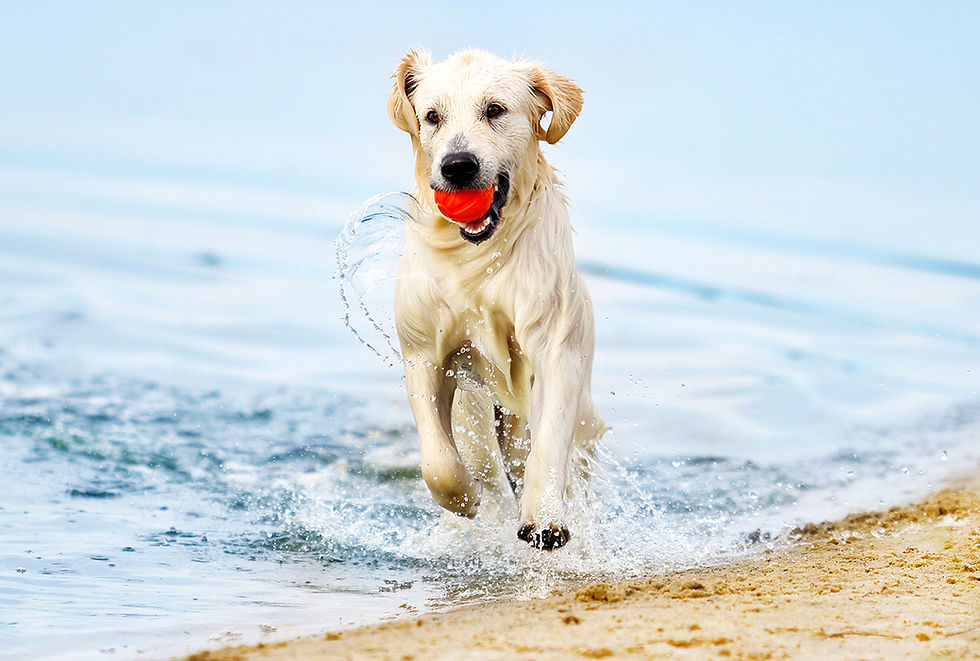
Watch for heatstroke and other hot-weather concerns
A hot, sunny day is the best kind of day for the beach, but it also puts your pet at risk for a number of heat-related risks:
Heat exhaustion
Dogs that are overweight and Brachycephalic breeds (with flat noses) like English Bulldogs, Pugs, and Frenchies are especially prone to heat exhaustion and heatstroke.
Common signs of heatstroke in dogs
Be sure that your dog is properly hydrated with fresh drinking water when out in the sun. Read more about heatstroke and how to prevent it.
For sunny and overcast days, always provide pet-formulated sunscreen protection for your dog's skin. Read more about sunburn in dogs and how to prevent it.
Hot sand is hazardous to paws
Hot sand at the beach can severely burn your pet’s paw pads. The hot asphalt path to the beach can also harm a dog's delicate paws. Protective pet booties or paw wax can provide a layer of safety against paw damage.
An outdoor temp of 77ºF sounds great, but beware, asphalt can be as hot as 125ºF, which can lead to burned paws. If temperature is in the mid-70s or above, feel the asphalt or sand with the back of your hand before your dog walks on it. If the surface is too hot for you, it's too hot for your dog.
Signs of paw burns on dogs
Blistering, redness, cracking of paw pads
Paw pad bleeding
Licking their paws
Signs of pain like whimpering or whining while walking
Walking on hot sand can also raise your pet’s body temperature and put them at risk for heat exhaustion or heatstroke.
Learn more about how to protect paws during hot weather months here.
Walking in the sand? Watch for sharp objects
As many metal detector fans know, sand can be a great concealer of objects. And while you may be able to visually spy sharp shells and objects and navigate around them, your dog isn't so lucky.
Stones, shells, broken glass, bottle caps, and small driftwood pieces can turn a happy day into a trip to the veterinary ER. Check your dog frequently for signs of pain, limping, or licking a paw. These are common signs of injuries that you couldn't even see coming. VEG animal hospitals are open every day, weekends and holidays too, to care for any critical dog injury or illness. Keep us in your contacts in case of emergency.

Why do dogs eat sand? And why they shouldn't.
Most dogs just like to eat everything. If your pup often acts like a furry vacuum cleaner, they might try to eat the sand when you're having a day at the beach. They're likely to have an accidental ingestion when they don't even realize it, especially when they're happily digging in the sand.
Since sand tends to clump when wet, if a dog ingests sand, it can become impacted in their intestines, causing a blockage. If you notice any of these signs after a day at the beach with your dog, get to your nearest VEG veterinary emergency hospital:
Hard abdomen or noticeable pain (wincing, whining, yapping, etc.) when dog's stomach area is touched
Read more about sand impaction in dogs here.
Dehydration and salt water ingestion
Unless your pet has fresh water available to them while they’re at the beach, they could be at risk for dehydration. Hot sun, hot sand, and no water to drink can quickly lead to dehydration and heat exhaustion.
Bring water, water everywhere! Whether you’re at the beach all day or going for walks or hikes along the coast, maintaining hydration is essential. Bring along plenty of fresh water—for you both. This will minimize the risk of your dog lapping up salt water, which can contain harmful bacteria.
In addition, salt water can knock a dog's electrolytes out of balance. The veterinary team at our 24-hour animal hospital for dogs can help correct an electrolyte imbalance. If your dog drinks salt water, consider it a vet emergency.
Warning signs of salt water ingestion
The ocean's strong currents are dangerous to dogs
Your dog might be a champion swimmer, but even they could be at risk for drowning if they encounter a strong current. Rip currents are especially dangerous, for animals and humans alike.
Ways to minimize risk of dog drowning
Check the tide times and current before going in the water
Keep an eye out for flags on the beach
Best to have a lifeguard on duty
Invest in a dog life jacket
Swim lessons for dogs to help strengthen their natural instinct
You know your dog best. Some dogs, especially smaller breeds, are simply better suited for land. Read more about dogs and how to help prevent drowning here.

7 dog beach safety tips
Now that you know the risks, here’s what you can do to make your pet’s day at the beach as safe and enjoyable as possible!
7 dog beach tips to keep in mind include:
Make sure dog has access to fresh water
Think about how long you and your pet will be hanging out at the beach, and bring enough fresh water to sustain you both for the duration (and then some, if you decide to stay longer). Your dog needs to stay hydrated—and ocean or lake water is unsafe for their consumption.
Invest in pet-friendly sunscreen
That’s right—dogs benefit from sunscreen, too, especially if they have light, fine fur and pinkish skin. Sunburn can affect your pup’s nose, ears, and other areas where hair is sparse.
Have a source of shade available for you and your dog
Another dog beach tip to consider is to make sure that there are areas of shade for your dog to go into in order to help escape the sun.
Dogs can overheat quickly on a warm day, and at the beach, the sun’s heat is amplified. Help your pup stay cool by bringing along a large umbrella, or make sure to find a place under an awning or tree where your pet can get a break from the sun.
Keep your dog leashed (if required)
Does your beach have leash rules? Make sure to follow them. Unleashed pets can cause trouble, especially if there are lots of people and other dogs around. Plus, being leashed can prevent your dog from potentially being attacked by another dog or stealing foods from someone’s picnic.
Also, keeping your pet leashed can prevent them from running into the water and possibly swimming out into strong currents.
Bring a life jacket for your pet
If the beach you’re visiting allows dogs in the water, one of the most important dog beach tips is to make sure your pet has a lifejacket (in their size). Even natural swimmers like Labradors can be at risk of drowning, so be sure to suit up your pup before they dive in, and stick with them to keep them safe.
Know the signs of heatstroke in dogs
Heatstroke can affect dogs even under conditions milder than a typical summer’s day. Overexertion and insufficient water intake can quickly overwhelm your pet.
If you see any of these signs, your pup might be in danger of dog heatstroke and
they should see an emergency vet as soon as possible:
Drooling (and saliva is thick and heavy)
Panting heavily (a sign your pet is trying hard to cool off)
Acting disoriented and confused
Lethargic, weak
Collapsing, unable to stand
Rapid heart rate
Protect your pet's paws with booties
And now for our last (but no less important) dog beach tip! If your pup is likely to encounter hot sand or sharp objects at the beach, get dog booties in their size to protect their paws from cuts and burns.
Consider trying them out on your dog before your beach excursion to ensure proper fit. A trial run in their new kicks can help your dog get comfortable with them too.
Contact VEG emergency vet if dog needs urgent care—open holidays
VEG is open 24-hours, seven days a week for pet owner convenience, and we're ready to respond to any dog-related health or safety issues. Call your nearest VEG animal hospital and you'll speak directly to a highly qualified veterinarian who can answer your questions and let you know if you should bring your dog in for an exam and/or treatment.


