Updated: Jun 22
Is your dog constipated? Have you noticed him straining or not pooping quite as often as is normal for him? Most of the time, constipation is something that your pet can recover from fairly quickly on his own. However, in some instances, it may be a good idea to find a treatment option that works for your furry friend to help him along.
Keep in mind, too, that constipation can sometimes be a sign of a more serious underlying problem. Although this is a lot less common than a simple bout of normal, everyday constipation, there’s always the possibility that there’s something else going on. If you think your dog may be sick or none of the usual treatments for constipation are helping him, VEG ER for Pets emergency vet hospital is open 24/7 to help your dog's symptoms.
What healthy dog poop looks like
Every pup parent knows way more about poop than they ever thought they would. But what is normal when it comes to frequency and consistency?
Frequency and look of normal dog poop
Most adult dogs should poop 1-3 times a day. Consistency is key - if your dog routinely poops twice a day and suddenly changes that behavior, it could be a sign of an underlying issue.
Normal dog poop should be a chocolate-brown color. If it’s a different color like black, red, or yellow, your pup may be dealing with gastro issues or bleeding in the digestive tract. If abnormal colors persist, consult a VEG emergency vet.
Healthy poop should be log-shaped with the consistency of Play-Doh; moist and easy to pick up, but solid enough to maintain its shape. If your pup’s poop is loose and watery, or covered with a coating or film, it might be time for a vet visit.
Symptoms of dog constipation
Dog may be holding in poop
Dogs can sometimes hold their poop for a while. If you don’t see your dog make a bowel movement for 24 hours, don’t panic, but do keep an eye on him. If he goes over 48 hours without pooping, he may be constipated.
Dog straining while pooping
If your dog strains a lot while pooping, or if he crouches to poop but then just keeps walking instead of pooping, then he’s very likely constipated.
Whines when trying to poop
If your dog tries to poop but whines or yelps from pain, then he may be constipated. He may also have a urinary tract infection (UTI) or some other health problem, and you should take him to the vet if he’s in pain.
Dog's poop is hard and compacted
Dogs may also be slightly constipated if they are able to poop, but the result is very hard and compacted. Keep an eye on your dog if this happens to see if the situation improves or begins to get worse.
Potential causes of constipation in dogs
Eating too much fiber
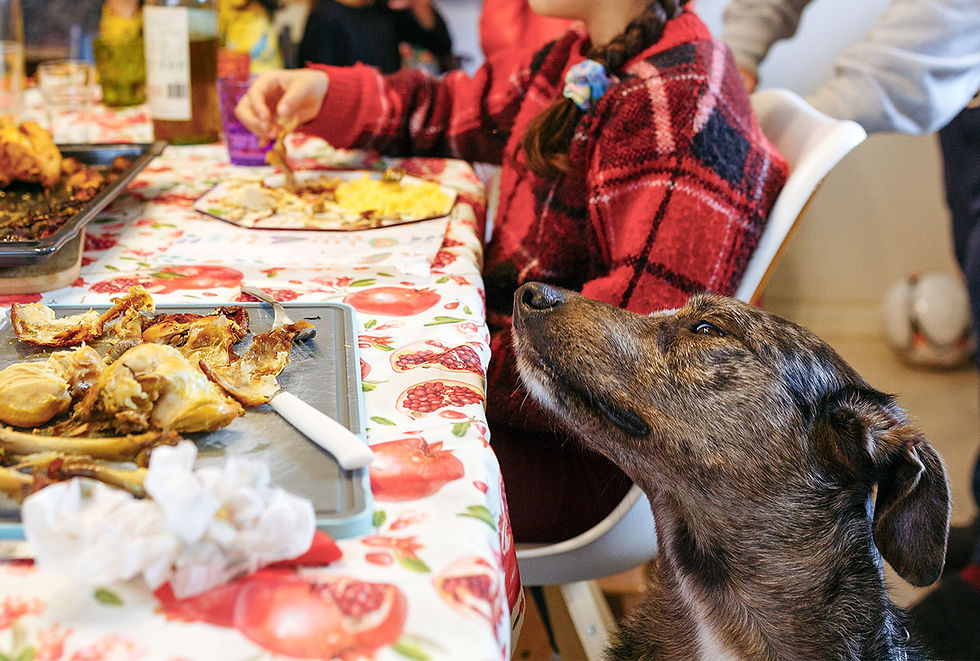
Dogs may become constipated if they eat too much fiber. This can sometimes happen from eating low-quality dog foods, but it’s a lot more likely to occur if your dog is being fed table scraps. Beware of feeding your dog human foods, as some are toxic or can lead to long-term health issues.
Not eating enough fiber
On the other hand, having too little fiber can also cause a dog to become constipated. This is one of the many reasons why it’s important to choose a good-quality food that is intended for dogs and stick to that when feeding your pet.
Extremely matted fur can cause constipation
Dogs whose fur is extremely matted can become constipated if the fur mats around the anus. This problem can be prevented entirely by making sure your dog stays well-groomed and trimmed, especially in his more sensitive areas. If this is happening to your dog, you may need a professional groomer or your primary care vet to help you get his fur back under control and resolve the problem. For extreme cases of matted fur causing lack of bowel movement, contact your nearest VEG dog hospital.
Enlarged anal glands can cause dog's constipation
Dogs with enlarged anal glands may have trouble going to the bathroom normally. Dogs’ anal glands should be regularly expressed by a primary care vet or a groomer. Don’t try to do this yourself at home unless you’ve had a professional show you how, as it can hurt your dog and may be traumatic for the both of you.
Eating foreign objects
If your dog regularly eats rocks, sticks, or other items they shouldn’t eat, then they may develop an obstruction. This can also happen if your dog eats part of a chew toy. This is a very dangerous situation and must be treated, usually via surgery, by a vet immediately.
Tumors can cause constipation
Dogs with tumors in the rectum or on the anus may develop an obstruction because of the tumor. This must be treated by a vet and often involves surgery.
Dehydration in dog can lead to constipation
When a dog isn’t getting enough fluids, the body pulls extra water from the colon to stay hydrated—leaving the stool dry, hard, and much more difficult to pass.
Other causes for constipation in dogs
Constipation has so many potential causes that it’s not always easy to figure out what’s behind it. That’s why having your pup evaluated by a vet at VEG is so important. The underlying cause could be something unexpected - like one of the following:
Pain (orthopedic issues, especially in senior dogs)
Enlarged prostate (intact males)
Pelvic injuries
Side effects of medications
Stress or environmental changes
Chronic kidney disease
Metabolic disorders
Hair ingestion (especially in heavy shedders)
Dog constipation, from mild to chronic
While some cases of constipation are mild and temporary, others can become more severe over time. Understanding the differences can help you know when to seek care.
Types of constiptation in dogs
Mild constipation
Mild constipation usually means your dog is passing stool less frequently than normal or straining a bit while pooping, but is still able to produce some stool. The stool may be dry or firm, and your pup may seem a little uncomfortable. In many cases, this can resolve with hydration support or dietary adjustments.
Obstipation (severe constipation)
Obstipation is a more serious form of constipation where your dog is unable to pass stool at all. The colon becomes packed with hard, dry feces, making it extremely difficult - or even impossible - to pass without medical intervention. Dogs with obstipation may show repeated straining, discomfort, decreased appetite, or lethargy. This is a condition that requires prompt veterinary care.
Megacolon (chronic condition)
Megacolon is a long-term condition in which the colon becomes stretched and enlarged, losing its ability to move stool effectively. Over time, this leads to recurring or persistent constipation. Dogs with megacolon often need ongoing medical management, and in severe cases, surgery may be necessary. Early intervention with repeated constipation can help reduce the risk of developing this chronic condition.
Treatments for dog constipation
Your dog's constipation can be stressful for both you and your pet. Thankfully, there are some at-home treatments you can try to help relieve your dog's constipation.
At-home treatment for dog constipation
Feed your constipated dog canned pumpkin
One of the easiest and most common at-home treatments for constipation in dogs is to feed them some canned pumpkin. Pumpkin is a high-fiber food and is perfectly safe for a dog to ingest, as long as nothing else has been added to it.
Buy a can of 100% pure pureed pumpkin in the baking aisle at your grocery store and mix some into your dog’s food. Many dogs will also eat it right off of a spoon!
Give your dog a stool softener, with vet guidance
Your primary care vet may tell you to give your dog a stool softener. Some dogs can take stool softeners meant for humans, but others should not. This is one of the many reasons why you should speak to your vet before medicating your dog, especially with medications that are not originally intended for dog use.
If your vet is unavailable, call VEG animal hospital and speak with a doctor. We're open 24/7 to help.
NEVER give your dog any laxatives or over-the-counter medications for constipation without consulting your veterinarian first.
Make sure your dog is hydrated
Dehydration is a common cause of constipation - water helps soften stool and allows it to pass more easily through the intestines. Making sure your dog has constant access to fresh water - and encouraging good drinking habits - can go a long way in preventing constipation before it starts.
Give your dog more exercise
Your primary care vet may also suggest you simply exercise your dog more for a few days and see if that helps. Many times, dogs will improve their pooping habits if they are taken on longer walks, hiking, or are engaged in outside play for longer periods of time than they’re used to. A lack of exercise can contribute significantly to constipation in dogs.
Feed your dog prescription dog food
Your primary care vet might instead suggest you start feeding your dog a prescription dog food that contains more fiber than regular dog food mixtures do. You will need to go to the vet to pick up this food the first time, but you may be able to order it from a service or store with your vet’s prescription after the fact.
A word about enemas for your dog
Vet-administered enemas may help your dog's constipation
If your dog does not respond to any of these treatments, you may need to take him to your primary care vet for an enema. This should never be done at home and should always be performed by a professional.
Trying to give your dog an enema at home may result in severe injury and could even be fatal to your dog.
When to take your constipated dog to the vet
Dogs become constipated often, and most of the time, the problem can be taken care of with something as simple as a little canned pumpkin or extra water for a couple of days. However, the condition may become painful and more dangerous if left untreated. Look out for these symptoms:
Pain when trying to poop
Hasn’t passed feces in 48 hours
If you notice any of these symptoms, take him to the emergency vet at VEG. This way, you can receive specific information and care that is catered to your dog’s needs, and you won’t have to keep wondering whether or not you’ll be able to treat his constipation before it worsens or an obstruction develops.
To make a diagnosis, your vet will first perform a physical exam to check for swelling and abnormalities. Sometimes additional tests like x-rays, ultrasounds, or blood tests are necessary to figure out the source of the issue and how to treat it. Your pup might even need to be sedated to remove the impacted stool.
VEG animal hospital is open 24 hours to help your dog
If you have any questions or concerns about your dog’s constipation, call your nearest VEG location. We’re open 24/7 and you’ll always speak with a qualified veterinarian who is happy to help.