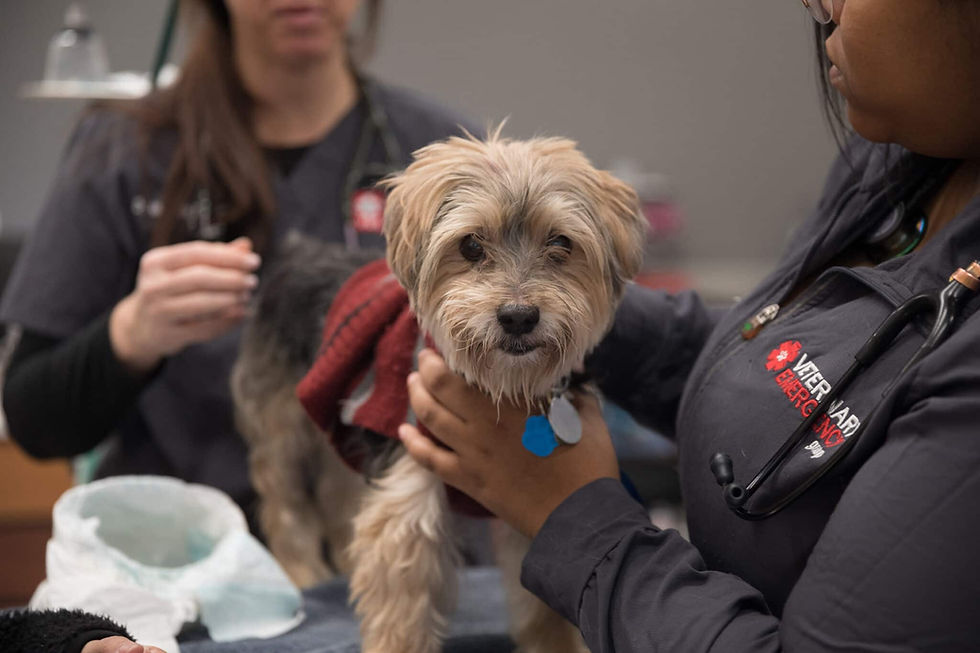
Rat poison is toxic to dogs and cats and can be fatal without quick treatment. Learn about types of rodenticides, symptoms of poisoning, and when to seek emergency vet care to keep your pets safe.
Halloween can be filled with frights for pets. Read about the pet dangers of Halloween, from chocolate to decor, and discover ways to help keep them safe.
Antifreeze poisoning in pets can be life-threatening, but it is preventable. Learn the symptoms of antifreeze toxicity in dogs and cats, how to act fast, and tips to keep your pets safe.
Heatstroke in dogs can show up as panting, drooling, and other concerning symptoms. Know the signs and follow our vet's preventative safety tips to help keep your dog safe.
Garlic is toxic to dogs—even in small amounts. It damages red blood cells and can lead to anemia, with symptoms appearing hours or days later. Signs include vomiting, lethargy, pale gums, and weakness. There’s no safe amount, so avoid it entirely. If your dog eats garlic, contact a vet right away—early care can prevent serious illness.
Does your dog eat cat food? Mealtime in a multi-pet home can be a challenge! Read on for emergency signs to watch for and how to prevent your dog from eating cat food.
New puppy? Yay! Help keep your little pup safe by knowing the signs to watch for in case of an emergency. Immediate care is key. VEG is open 24/7 for your pet.
If your pet hedgehog is losing weight, it could be an emergency that requires immediate vet care. In this article, we'll explore reasons why hedgehogs lose weight and what to do for them.
Is it an emergency if your pet bird is at the bottom of their cage? It could be. We discuss normal and not-so-normal bird habits, symptoms to watch for, and when it's an emergency.
Does your cat needs emergency vet care? Read the signs and symptoms of a cat emergency and if you should bring your cat to a VEG emergency pet hospital or if the issue can wait for a primary care vet.