If you’ve seen headlines about “flesh-eating parasites” making their way into the United States, you’re not alone. Once eradicated from the U.S., the USDA confirmed, there has been a recent reemergence of New World Screwworm (NWS) in Texas and New Mexico.
This has veterinarians and animal health officials on high alert. While cases remain rare, this parasite poses a serious threat to pets because it can rapidly cause severe tissue damage — and in some cases, become life-threatening if not treated immediately.
At VEG ER for Pets, we’re aware that fast action can make all the difference. Here’s what you need to know about New World Screwworm, the warning signs to watch for, and when to seek emergency care.
What is a New World Screwworm?
A New World Screwworm isn't actually a worm. It's the larval stage of a screwworm fly called Cochliomyia hominivorax. Unlike typical maggots that feed on dead tissue, screwworm larvae feed on living flesh. A scraped paw, a hot spot, or even a tick bite may not seem like a big deal — but in areas affected by NWS, even minor wounds can become a serious medical emergency.
Female flies lay eggs in wounds on animals. The larvae hatch and begin burrowing into flesh, causing pain, and rapidly expanding the injury site. Without treatment, infestations can become severe and even life-threatening.
Why is screwworm in the news right now?
The parasite was eradicated from the United States decades ago through an extensive sterile fly program. However, recent outbreaks in Central America and Mexico have spread northward, leading to the first confirmed U.S. cases in decades in 2026.
Currently, the overall risk to pets remains low, though pet owners—especially those traveling to or from affected regions—should be vigilant. The Texas Animal Health Commission specifically encourages daily monitoring of companion animals and immediate reporting of suspected cases for pets in these affected areas. As of this writing, there is not a need for people outside of the affected areas to be overly alarmed.

How do pets become infected by screwworm?
Screwworm flies seek out:
Open wounds
Surgical incisions
Skin infections
Areas around the ears, nose, mouth, or genital region
Tick bite sites or minor cuts—even a small wound can become a target
Pets at higher risk of screwworm infestation
No doubt pet parents that hear about this infestation are worried. Infestation in the United States currently remains low, but it's best to keep in mind that the pet's location and other factors place them at higher risk.
High-risk factors for screwworm
Infestation risk is raised in pets that:
Spend time outdoors in affected regions
Have recent injuries or surgical incisions
Travel to or from affected regions
Have skin infections or chronic wounds

What are the signs of screwworm in dogs and cats?
Because screwworm larvae actively feed on living tissue, signs can worsen quickly.
Signs of screwworm infestation in pets
A wound that suddenly gets larger
A foul or unusual odor from a wound
Visible maggots or movement within the wound
Bleeding or discharge
Unusual pet behavior including excessive licking or chewing at one area
Depression or weakness
Contact your nearest VEG ER for Pets emergency vet hospital for pets immediately. Screwworm infestations can rapidly expand as larvae burrow deeper into tissue.
Is screwworm infestation an emergency?
Yes, screwworm infestations are considered a veterinary emergency. Left untreated, the larvae continue feeding on living tissue, causing extensive damage, secondary infections, and can be potentially fatal. Early detection and treatment dramatically impact outcome.
When to see the vet for screwworm
Seek emergency veterinary care immediately if:
You see maggots in your pet’s wound.
A wound suddenly worsens or smells foul.
Your pet is painful, lethargic, or not eating.
Your pet recently traveled to or from affected regions and develops a wound.
Do not attempt to treat at home or try to remove larvae yourself. Incomplete removal can leave larvae behind and delay proper treatment.
VEG is open 24/7 for high-quality emergency vet care
No appointments needed or taken. For immediate vet attention, walk in anytime. Medial questions? Call and speak with one of our emergency vets.
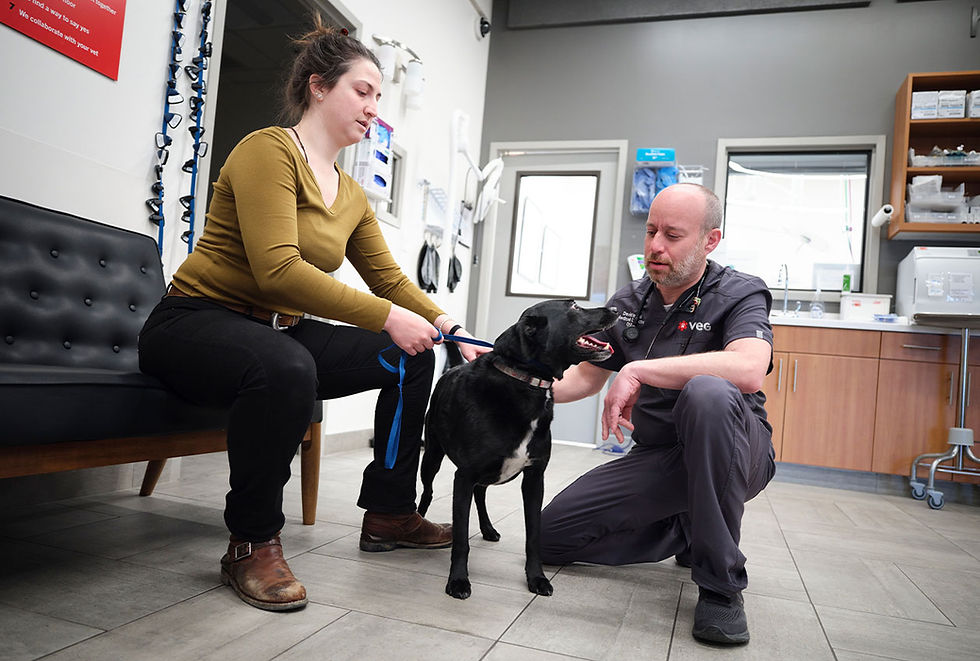
How our emergency vets treat screwworm infestations in pets
Treatment for screwworm often involves:
Sedation or anesthesia
Careful removal of larvae and specimen testing
Wound cleaning and debridement
Antibiotics for secondary infections
Administration of approved antiparasitics
Monitoring for deeper tissue damage
Re-evaluation of the patient and wounds in 24 hours
Animal health authorities stress that affected animals should receive treatment immediately, and suspected cases should be reported to animal health officials for confirmation and tracking.
Environmental decontamination may be recommended by VEG or animal health officials.
How can pet parents prevent screwworm infestation?
While the risk remains relatively low for most pets, prevention is key.
How to help protect your pet from screwworm
Checking your pet daily for wounds or skin changes
Keeping wounds clean and covered when possible
Seeking veterinary care promptly for any injury
Using veterinarian-recommended parasite preventives
Monitoring pets closely after travel to affected areas
Preventing excessive licking or scratching of wounds
The Texas Animal Health Commission specifically advises pet owners to monitor animals daily and report suspicious wounds to their veterinarian promptly.
The bottom line about screwworm and pets
Currently, there is no need to panic. New World Screwworm may sound like something out of a horror movie, but awareness, being vigilant, and taking early action is one of the best defenses against it.
At VEG emegency animal hospitals, our experienced and informed doctors and team are equipped and ready to get into action 24/7, as every minute matters if you suspect your pet has a screwworm infestation. Animal Health authorities are also taking steps to help eradicate the New World Screwworm from the U.S. (once again).
If your dog or cat has a suspicious wound or is showing signs of illness, ACT FAST. Seek emergency veterinary care immediately at your nearest VEG ER for Pets.