Seizures in rabbits, though extremely rare, can be frightening for pet parents. Seeing your bunny suddenly lose control of their body or behave in unusual ways can be alarming. On the other hand, some seizure symptoms can be so subtle, they’re not visible to the untrained eye.
Because rabbits are prey animals, they instinctively hide signs of illness or discomfort — making it especially important to recognize warning signs early and seek emergency veterinary care ASAP.
Let’s look at how to recognize signs of a seizure in rabbits, what may cause them, and when to take your little hoppefr to VEG ER for Pets animal hospital for diagnosis and care.
Signs of seizure in rabbits
Seizures in bunnies do not always appear dramatic. Some episodes involve visible shaking or loss of balance, while others may be easy to miss.
A seizure occurs when abnormal electrical activity disrupts the brain’s normal signals. The symptoms can vary depending on which part of the brain is affected.
Common signs that a rabbit may be having a seizure
Sudden uncontrolled shaking or twitching
Jerking or stiff body movements
Loss of balance or falling over
Rapid eye movements or glazed eyes
Temporary disorientation or confusion
Paddling movements of the legs
Loss of consciousness in more severe cases
How long can seizures in rabbits last?
Some seizures last only a few seconds, while others may continue for several minutes. After a seizure, rabbits often go through a recovery period known as the post-ictal phase. During this post-seizure phase, your bunny may appear:
Confused
Tired
Temporarily unable to move normally.
Any suspected seizure activity in pets should be evaluated by a vet, even if the episode appears brief.

What to do if your rabbit is having a seizure
If you notice your bunny having a seizure, it’s important to stay calm and focus on keeping your pet safe.
Move any nearby objects that could cause injury
Give your rabbit space while the episode passes
Avoid holding or restraining your bunny tightly (to avoid additional stress or accidental injury)
Monitor to make sure your rabbit doesn’t fall or hurt themselves during the seizure
Note how long the seizure lasts and what symptoms you observe — This may help your doctor determine the best next steps for your pet.
Once the seizure stops, your rabbit may appear disoriented or exhausted. Allow them time to recover in a quiet, safe environment.
Contact your nearest VEG emergency pet hospital as soon as possible. Even if the episode is brief, it may signal an underlying health condition that needs medical attention.
What causes seizures in rabbits?
Though highly uncommon, seizures in rabbits can occur for a variety of medical reasons. Determining the underlying cause is essential because treatment will depend on what is triggering the neurological activity.
Some common seizure causes in rabbits
Parasitic infections
Baylisascaris procyonis (raccoon roundworm) can infect rabbits that ingest eggs from soil or food contaminated with raccoon feces. Larvae may migrate to the brain, causing inflammation and neurological signs like loss of coordination, head tilt, and seizures. Outdoor rabbits face a higher risk.
Baylisasceris procyonis is especially dangerous to humans. People cannot contract this disease from rabbits, but if your rabbit does develop it, there is a likelihood that there may be an infectious area that people are near as well. One area this can be contracted is in play areas like sandboxes, where raccoon feces may have been deposited. In children, this disease can present in the eyes, rather than the GI tract, causing deterioration and may lead to blindness. In rabbits, the infection could migrate to the brain and there is no cure.
Toxic exposure
Rabbits may develop seizures if they ingest remnants of lead paint in old homes. Some toxins from chemicals can affect the nervous system and though it’s very rare, may cause a seizure.
Brain tumors or neurological disease
Although less common, structural problems within the brain can also cause seizure or epilepsy in rabbits. Like seizures, epilepsy is very rare in rabbits.
In some cases, seizures may occur without a clearly identifiable cause. A veterinarian can help investigate possible underlying conditions through diagnostic testing and medical history.
Are seizures in rabbits life-threatening?
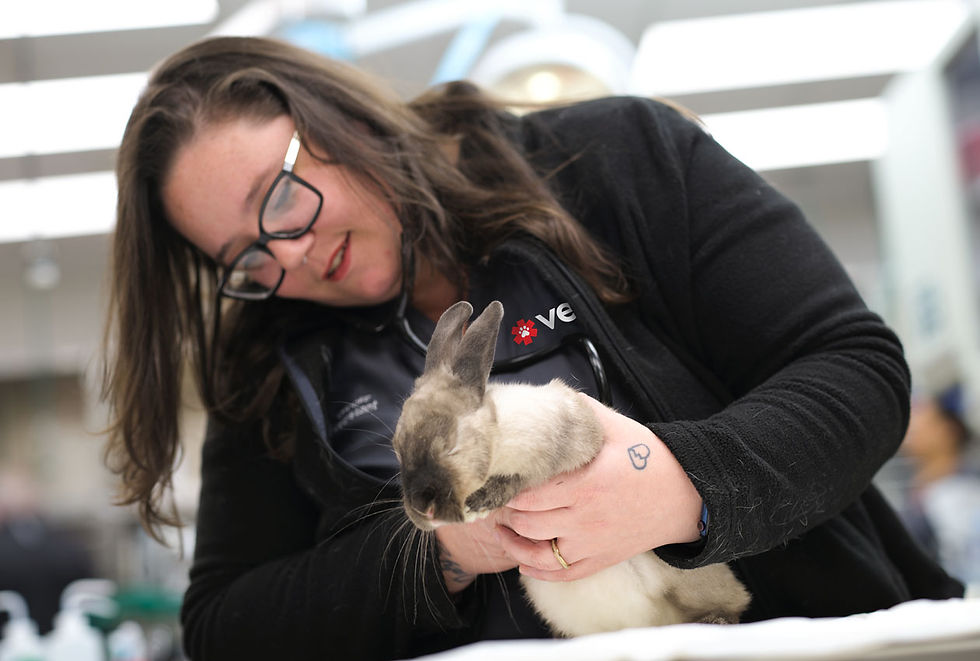
A seizure is a warning sign that a potential life-threatening condition exists in your rabbit. At VEG animal hospital, our vets will provide medication to stop the seizure activity and support your rabbit's body systems as they recover from the very scary episode. Once stable, advanced testing like an MRI and/or analysis of the cerebral spinal fluid may be recommended.
VEG does not perform the MRI; please see your primary care vet to schedule an MRI with a specialist for your rabbit.
How does a vet diagnose and treat seizures in rabbits?
It’s very rare, but if your bunny does experience a seizure, your vet will perform a thorough evaluation to determine the underlying cause.
See your primary vet to schedule the following diagnostic tests:
Blood work to identify infections or metabolic issues
CT scans or MRI scans to check for tumors or abnormalities in the brain; these scans are not performed at VEG ER for Pets; speak with your primary care vet for next steps on any CT or MRI scans your rabbit may need.
Examination for injuries, spinal problems, or other health problems
Depending on the situation, your bunny may need to stay at the clinic for monitoring. If seizures occur frequently, observing them directly can help your vet better understand it.
Treatment depends on the underlying cause. It may involve medications to control seizures, treatments for infections or parasites, or supportive care to stabilize your rabbit’s health.
Call VEG animal hospital if your rabbit is having a seizure
VEG vet hospitals are open 24/7, even on holidays. Call or walk in; no appointments taken.
If your rabbit shows signs of seizure activity or unusual neurological symptoms, contact your nearest VEG animal hospital. You will speak directly with a veterinarian who can guide you through the next steps and ensure your little bunny hops right back into action.