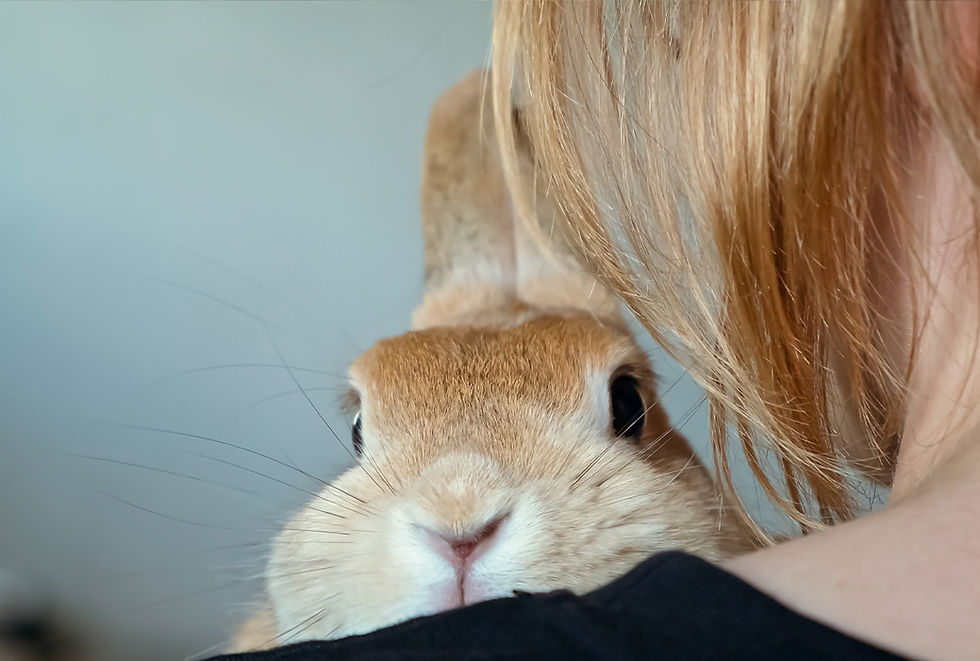
Hearing your rabbit sneeze can be surprising, if not concerning. While the occasional sneeze or two isn't always an emergency, repeated sneezing warrants veterinary attention, as a rabbit’s health can deteriorate quickly when they develop a respiratory illness. Like other animals of prey, rabbits often hide or mask signs of pain or weakness until an illness has become advanced, making early recognition crucial.
If you suspect your cotton-tailed companion has a serious case of the sniffles, VEG ER for Pets can help. In this article, we’ll cover the most common causes of sneezing in rabbits, symptoms to look out for that require emergency care, and what to do if your rabbit has been sneezing repeatedly.
Why is my rabbit sneezing?
For rabbits, sneezing is a symptom, not a diagnosis. Rabbit sneezing can be caused by a mild irritation or could indicate a more serious medical condition. Read on to learn more about the common causes of sneezing in rabbits.
Possible causes for rabbit sneezing
Dusty bedding, hay, or litter
Fine dust from bedding, hay, or even from a litter box, can irritate a rabbit's sensitive nasal passages, leading to the occasional sneeze or two. Switching to low-dust hay and bedding and changing litter regularly may help if dust is the cause of your bun’s sniffles.
Environmental irritants
Strong odors, aerosol sprays, cigarette smoke, and household cleaning products can irritate a rabbit's respiratory tract and cause them to sneeze. The same goes for using heat or air conditioning in your home without changing the filters regularly—especially if your vents are near the floor, where rabbits hop around. This can increase the amount of dust in your home, irritating your rabbit’s respiratory tract and causing them to sneeze.
Additionally, home construction, and even painting in the home can increase the amount of irritants in the air, leading to sneezing in rabbits (and probably you too!). Removing the irritants, changing heating and air conditioning filters regularly, and improving ventilation may reduce symptoms for your pet.
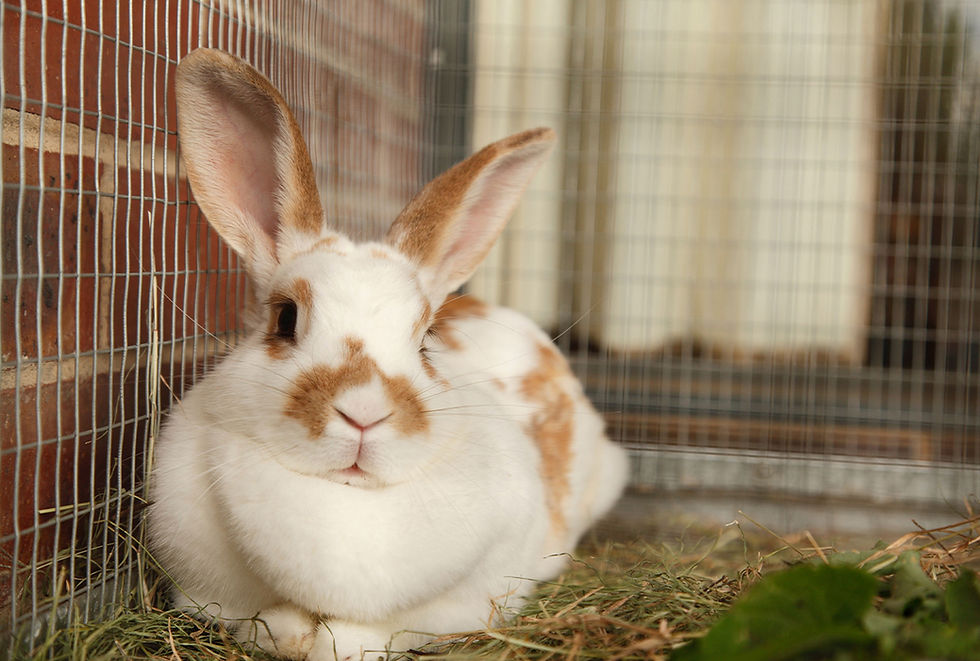
Dental disease
Rabbits' tooth roots are located close to their nasal passages. Overgrown or infected teeth can put pressure on or spread infection to the nasal cavity, causing sneezing, nasal discharge, and other signs that require veterinary evaluation. If dental disease is the cause of your rabbit’s illness, you’ll need to visit a separate exotics specialist for the diagnostic imaging.
Upper respiratory infections
Respiratory infections (including bacterial infections, caused by a variety of species, also known by rabbit owners as snuffles) are a common cause of persistent sneezing in rabbits and are often accompanied by nasal discharge, noisy breathing, reduced appetite, or lethargy. Because these infections can worsen quickly and may become serious, rabbits with these symptoms should be evaluated by a veterinarian as soon as possible.
Foreign material in the nose
Small pieces of hay, grass, or other debris can become lodged in a rabbit's sensitive nasal passages, causing sudden sneezing, nasal irritation, or discharge. Veterinary care is needed if the sneezing is persistent, severe, or accompanied by difficulty breathing.
Signs of respiratory illness in rabbits
Sneezing often occurs alongside other symptoms, which may indicate a more serious illness for your rabbit. When sneezing in rabbits is accompanied by any of the following, call or visit your nearest VEG vet hospital to speak to one of our emergency veterinarians, as this may indicate a respiratory illness.
Signs of respiratory illness in rabbits
Watery eyes
Wet fur around the nose
Matted front paws from wiping the nose
Noisy breathing
Weight loss
Hiding more than usual
Decreased activity
Appetite changes in rabbits should be taken especially seriously because rabbits can quickly develop a life-threatening complication called gastrointestinal stasis as a result of not eating.
Is it an emergency if my rabbit is sneezing?
Respiratory disease in rabbits can progress quickly, so if your rabbit is struggling to breathe or stops eating while showing signs of respiratory illness, don't wait for symptoms to improve—bring them to your nearest VEG emergency animal hospital right away to be evaluated by our highly trained veterinarians.
Symptoms of respiratory illness in rabbits that require urgent medical attention include:
Blue, gray, or pale gums/tongue
Thick white, yellow, green, or bloody nasal discharge
Sneezing accompanied by difficulty breathing
Refusal to eat or drink
Severe lethargy or weakness
Collapse
Head tilt or loss of balance
Significant eye discharge or swelling around the face
Sudden worsening of symptoms
What to do if your rabbit is sneezing
If your rabbit is sneezing but otherwise seems normal, monitor the frequency of their sneezing and check for nasal discharge. You’ll also want to keep the environment clean and well ventilated, reducing their exposure to dust and other irritants. If symptoms persist, schedule a checkup with your primary vet.
If your rabbit is sneezing a lot and seems ill, keep them calm and warm as you check for other concerning symptoms. Encourage your rabbit to eat if possible, but do not force-feed them if breathing is difficult.
Seek immediate emergency veterinary care at your nearest VEG if your rabbit’s breathing is affected or other emergency signs develop. Always transport your rabbit carefully in a secure carrier. Never give human cold medications or antibiotics to your rabbit without veterinary guidance.
Can sneezing in rabbits go away on its own?
It’s important to monitor your pet’s surroundings to determine the cause of their discomfort. If your rabbit’s sneezing is caused by dust, hay, or another environmental irritant like smoke, perfume, or cleaning products, it may go away once the irritant is removed.
If all possible irritants have been removed from your rabbit’s environment and they are still having sneezing fits, bring them into VEG as soon as possible to see our emergency rabbit vets. Untreated respiratory infections or dental disease in rabbits are not likely to resolve on their own and may worsen and spread without medical treatment.
How do emergency vets at VEG treat sneezing in rabbits?
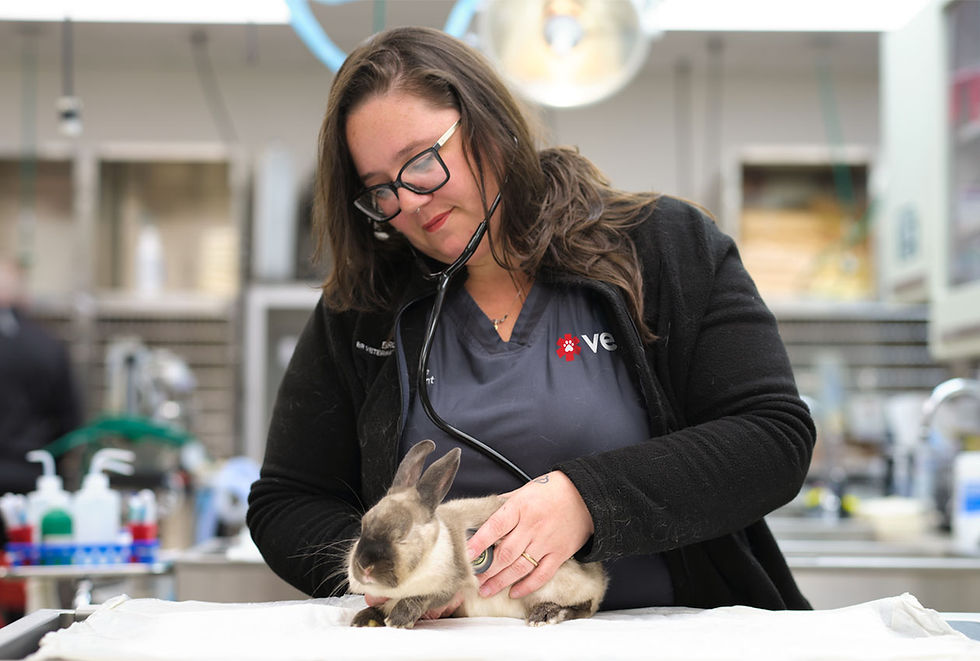
We know how scary it can be when a pet isn’t feeling their best. At VEG, you can stay with your pet the whole time as our ER vets examine them and provide stabilizing care in the form of oxygen support (if needed), fluids, pain management, nutritional support, and antibiotics (when appropriate). Our experienced veterinarians may also order bloodwork or imaging for your rabbit, as well as nasal or eye discharge testing. In the case of severe respiratory disease, hospitalization may be the best course of action so our team can monitor your pet and treat their symptoms in real time.
If dental disease is suspected, our emergency vets can provide supportive care for your rabbit before referring you to an exotics specialist. Visiting a dental specialist is essential to ensuring your rabbit gets the specialized imaging required to diagnose and treat dental disease, which is not currently offered at VEG.
Can rabbit respiratory problems be prevented?
Just like humans, rabbits can get colds (though luckily they can’t get human colds), and while not every illness is preventable, early intervention can often lead to better outcomes.
Ways to help prevent sneezing and respiratory problems in rabbits
Feed your rabbit high-quality grass hay
Keep rabbit bedding clean and low-dust
Avoid cigarette smoke and aerosol sprays around your rabbit
Schedule regular veterinary wellness exams for your rabbit
Monitor your rabbit’s eating habits
Watch for early respiratory symptoms in your rabbit
Seek veterinary care for your rabbit when symptoms first appear
Dry air can irritate the delicate tissues that line a rabbit’s nasal passages. If you live in a dry climate, consider using a humidifier
VEG ER for Pets is open 24/7/365 for pet rabbit emergencies
Whether your rabbit is experiencing a minor nasal irritation or a serious illness, you never have to wonder about your rabbit’s diagnosis and treatment at VEG. Our team of compassionate emergency veterinarians keeps you in the loop every step of the way—you can even stay with your pet the entire time you’re here!
If you notice your rabbit has been sneezing lately, keep an eye out for changes in their breathing, appetite, and energy level, and remember—rabbits are experts at hiding their symptoms until they’re very sick. If your rabbit is having difficulty breathing, stops eating, becomes lethargic, or develops worsening respiratory signs, bring them to your nearest VEG emergency animal hospital immediately. Prompt treatment can be critical for a rabbit experiencing a respiratory emergency.