Updated: Jun 22
Seriously? You turn your back for just one second…and your dog has carried out the ultimate heist: swiping the cat’s food! Cue the panic: Will my dog get sick from eating cat food? What should I do? And who do I call? That’s where VEG ER for Pets emergency animal hospital comes in!
At our emergency vet hospitals, we see a lot of pet mishaps just like this. While this little misadventure may not be a major cause for worry, it's important to know how eating cat food affects your doggo’s health over time and what you can do to prevent future heists.
How to feed pets in households with more than one pet
Feeding frenzy! Mealtime in houses with multiple pets can be quite the adventure. Keeping every pet in their lane isn’t always easy, as they nudge and nose their way into another’s dish. If you have cats and dogs, your pets may treat feeding time like an all-you-can-eat buffet, with you as the referee.
The truth about cats' and dogs' food
The good news is that cat food is not toxic to dogs (cue sigh of relief). But there are differences in dog and cat food, and potential risks when a dog eats cat food and vice versa that can happen over time. Let’s chow down on the facts.
The nutritional needs of cats and dogs are as different as—well—cats and dogs! Cats are total carnivores, so their food is often higher in protein, fat, and calories. Dogs require a more balanced diet, with a blend of proteins, carbohydrates, fats, vitamins, and minerals that caters to their unique dietary needs and is integral for their overall health and well-being. Species-specific diets play a major role in the long-term health of all pets.
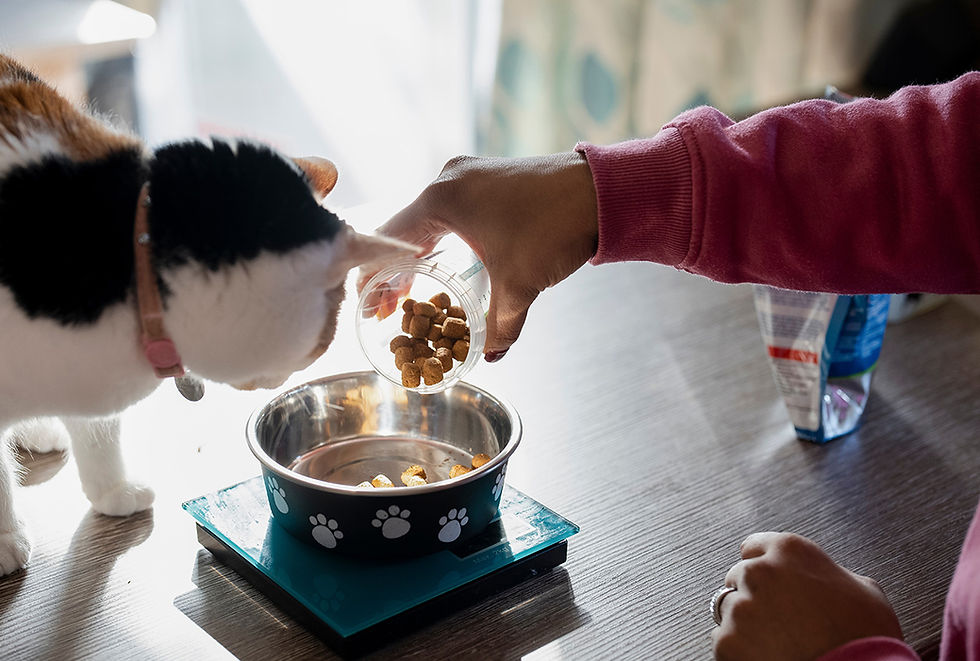
What happens if a dog eats cat food?
Fido the foodie may be biting off more than he can chew! If your curious canine has stuck its nose where it doesn’t belong (namely, your cat’s dinner plate), first consider how much cat food they have consumed:
A small bite or lick is usually safe. Monitor them for symptoms of upset stomach over the next 24 hours.
An entire meal or multiple servings may open your pup up to a higher risk of gastrointestinal distress, like vomiting or diarrhea. Monitor them over the next 24–48 hours.
A large binge (bag, multiple cans, kitten food) puts your dog at higher risk for pancreatitis. Call or visit your local VEG immediately.
If your dog is regularly eating any amount of cat food, there are short-term and long-term risks, which can be serious. In the short term, your dog may develop stomach issues like diarrhea or vomiting.
The long-term risks are more concerning. The high-fat, high-calorie content of cat food puts your canine at risk for conditions like obesity and diabetes. It can also overload your dog’s pancreas, a vital organ used to help digest food and regulate blood sugar. The resulting inflammation is called pancreatitis, a painful and potentially life-threatening condition.
If your dog has eaten cat food and is experiencing any of the below symptoms, visit your nearest VEG:
Persistent vomiting
Severe lethargy
Hunched posture or abdominal pain
Fever or dehydration
Dogs with underlying conditions may be at higher risk than others, which can cause a more severe reaction to long-term cat food consumption. Dogs with these conditions may get sick faster if they eat cat food:
History of pancreatitis
Kidney disease
Liver disease
Sensitive stomach or chronic GI issues
So, as you can see, keeping an eye on your pup’s diet and restricting access to kitty’s food can help to prevent some big-time health issues.
Dog ate cat food: is this a vet emergency or can I wait it out?
The bottom line is one nibble of cat food is unlikely to cause long-term harm to your pooch, and minor stomach upset may resolve within 48 hours. However, dogs that consume larger amounts of cat food may show signs of distress, such as:
If dogs consume cat food, they may show signs of distress
After gobbling down cat food, your dog might show the following:
If you notice these symptoms, or if your dog is at higher risk for illness, it's time to call your nearest VEG. Our experienced veterinary team is here 24/7 to help guide you on what to do. Based on the symptoms, we may tell you it’s best to bring your dog in for an exam.
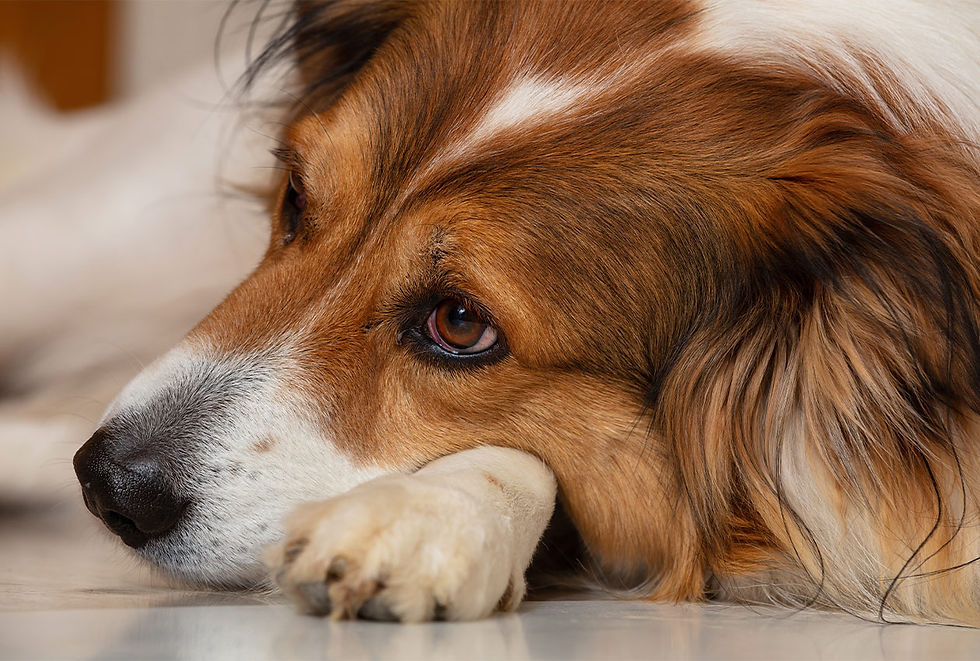
How to stop your dog from eating cat food
Prevention is always better than a cure. If you want to stop your munching mutt from any more cat food slip-ups, there are things you can try.
Preventing your dog from eating cat food:
Feed your pets in different places/at different times.
Use a baby gate to create a cat-food corral.
Elevated feeding stations are typically out of reach for dogs, but perfect for your acrobatic kitty!
Keep a close eye on your pets while they’re eating and quickly store their food away.
Questions? Ask the vet pros at VEG ER for Pets emergency animal hospital
At VEG ER for Pets animal hospitals, our priority is the health, safety, and well-being of your pets. If you need advice on your dog's diet or if you’re worried that your dining doggy is constantly trying to become a connoisseur of cat food, our team of professionals is here to help! Call or come in anytime. We’re open 24 hours a day, even on weekends.
Our highly skilled vets triage pet emergencies immediately, and deliver a unique and expert level of care. We’ll sit on the floor with your dog or wherever they’re most comfortable. We’ll also make sure pet parents are okay too, by keeping you by your pet’s side the entire time and making sure you’re part of your pet’s care. Oh, and we’ll have free snacks on hand, too. But as for Fido, no more snacking on cat food!