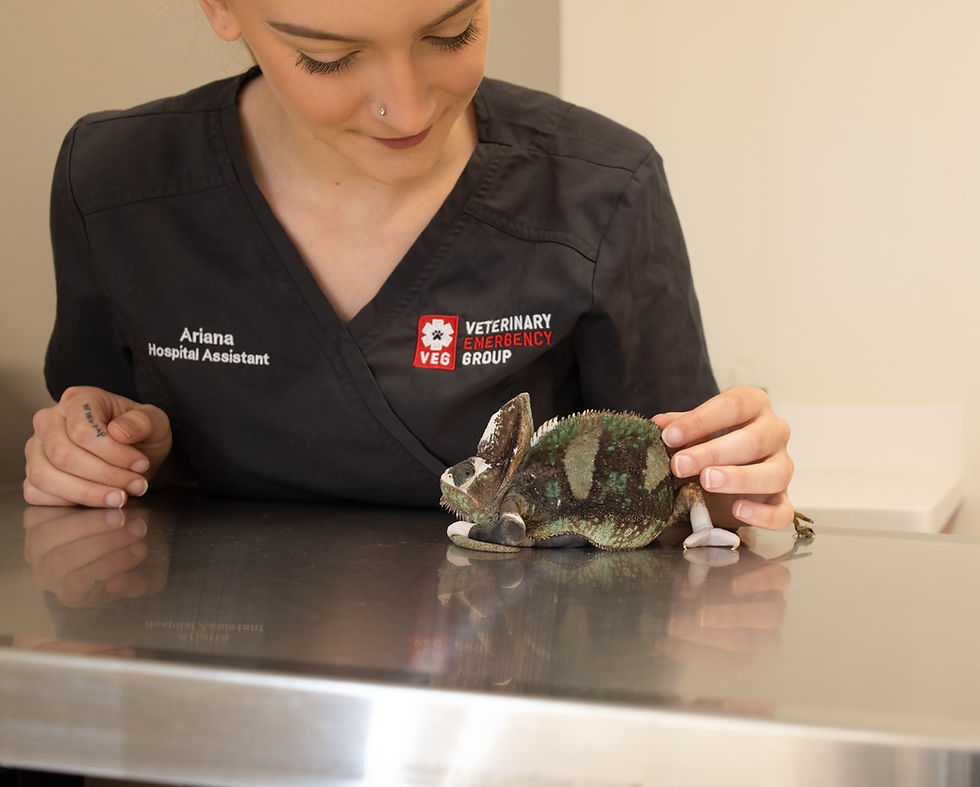
If you parent a dog or cat, you may be familiar with the signs and symptoms of broken limbs. However, your reptile pets have a complex skeletal system that can be injured in many of the same ways. Many reptiles each year are injured and have broken bones that need attention. Reptiles can break their tails, legs, pelvis, and even their neck if they should fall or if they are fighting with other reptiles in their enclosure.
VEG ER for Pets emergency vet hospitals are fully equipped to evaluate and provide urgent care for reptiles. You do not want your reptile to suffer, and you also want to avoid limbs or body parts that heal incorrectly and lead to lots of other health issues. Being sure that you know what to look for when it comes to broken bones in reptiles is key if you have this kind of pet in your home.
Do reptiles have bones?
Yes - reptiles are vertebrates and do have bones!
Snakes have hundreds of vertebrae and ribs that run nearly the length of their bodies, even though they do not have limbs.
Lizards have a bony skeleton that includes a skull, spine, ribs, pelvis, tail bones, and limb bones.
Turtles and tortoises have bones that form their shell, which are fused to their spine and ribs.
Because reptiles rely heavily on their skeleton for movement and protection, fractures can significantly affect their ability to move, eat, or breathe.
How and why reptiles break bones
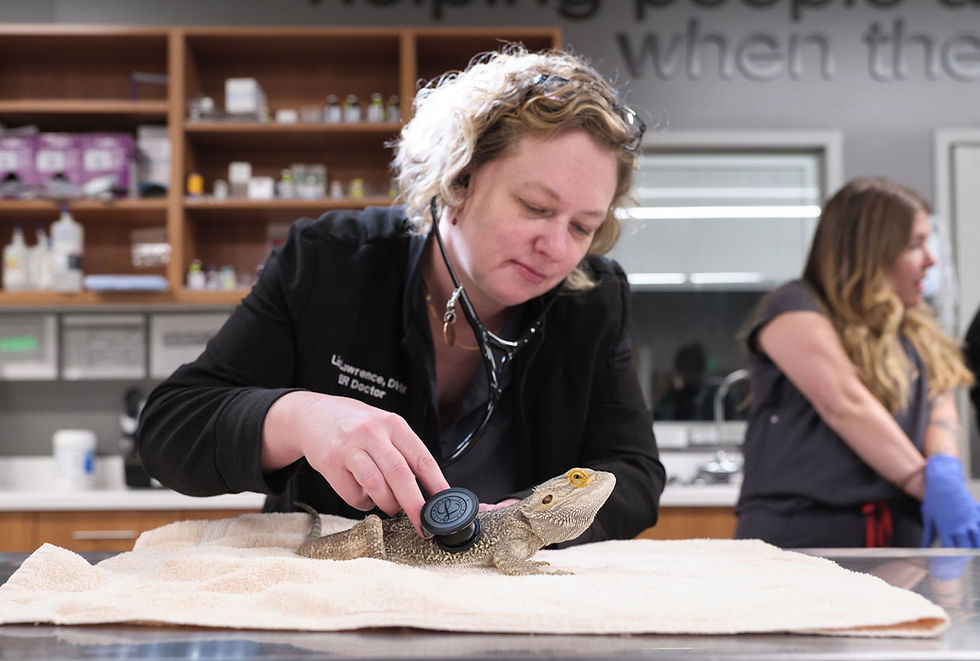
All reptiles have bones, and fractures can occur from trauma, falls, improper handling, cage accidents, or nutritional conditions like metabolic bone disease. Because reptiles tend to hide pain, fractures are not always obvious, making prompt veterinary evaluation important.
Common reptile bone fractures, signs, and what they can mean for your pet
Knowing what the signs of these kinds of injuries are can help to make sure that you give your pet the medical care that they need. Reptiles with suspected fractures should be seen by an emergency veterinarian as soon as possible.
Tail and vertebral fractures
Tail fractures are common in lizards. Signs may include:
Abnormal bends or kinks in the tail
Swelling, bruising, or bleeding
Reduced movement or pain when handled
Leg and limb fractures
Lizards and chelonians can fracture leg, foot, or toe bones from falls, jumps, or being stepped on. Typical signs include:
Limping or inability to bear weight
Swelling of the limb or toes
Dragging or abnormal positioning of the leg
Neck and skull fractures
Reptile fractures involving the neck or skull are particularly serious. They may cause symptoms like:
Head tilt or unusual posture
Difficulty eating or swallowing
Tremors or loss of coordination
Shell fractures
Turtles and tortoises actually have bones fused into their shells. Cracks, breaks, or soft spots in the shell are considered fractures and can expose your pet to infection. Seek immediate veterinary care for these injuries.
Treating and healing fractured bones in reptiles
For any fracture in reptilian pets, healing often requires temporary changes to their enclosure. This may include limiting their space to reduce movement in the early stages of recovery, removing climbing structures, adjusting the water delivery system to keep bandages dry, and clearing out obstacles that could cause further injury to the healing bone.
Treatment for fractured bones in reptiles is typically straightforward, with initial care focused on managing pain, limiting movement of the affected area, and supporting the appropriate environmental needs for healing. Recovery time can vary based on several factors, including the type and length of the fracture, which bone is affected, how the injury occurred, and whether the wound is contaminated or infected. Some fractures may heal relatively quickly, while others can take much longer depending on these factors.
Be sure that you ask questions about the aftercare for this kind of injury, and make sure as well that your reptile is not exposed to risks of falling or fighting with their companions while they are healing.
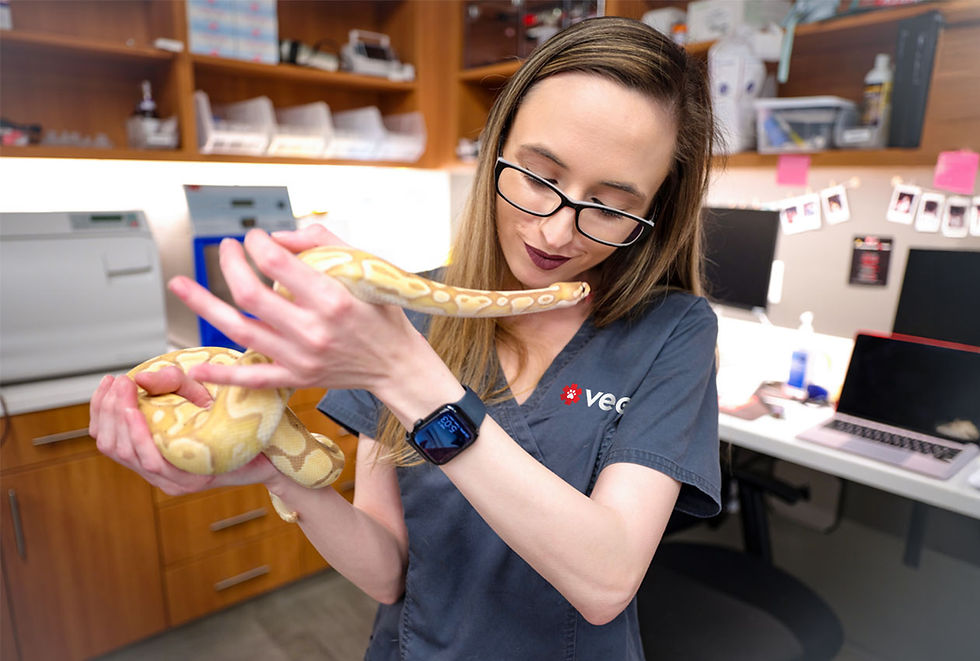
Getting your turtle, snake, bearded dragon, or any injured reptile immediate vet care is important. Not only will your pet likely need relief from pain, but prompt care can mitigate complications like improper healing of bone, which will make things worse for your pet. Remember, VEG is open 24/7 to care for all reptile emergencies.
Treatment methods for different types of reptile fractures
Long Bone Fracture Treatment in Reptiles
Some long bone fractures in reptiles require surgery, but most can heal just with splinting and cage rest. It’s important to have a vet look at the break either way - if a long bone fracture to a reptile’s leg is ignored, the bone may not heal properly, resulting in compromised blood supply to the leg and amputation. So don't ignore leg fractures even if your reptile does not seem to be in pain.
Shell fracture treatment in turtles and tortoises
Shell fractures are the most common bone injuries seen in turtles and tortoises. In some cases, these fractures can expose the coelom (the reptile’s abdomen) - a serious complication that requires immediate repair.
Treatment may involve a combination of pins, plates, resin, surgical glue, wires, or even creative solutions like old bra clasps. Even when the coelom isn’t exposed, a shell fracture is still comparable to an open fracture in mammals, making it a medical emergency that should be evaluated by a veterinarian right away.
Treatment for reptile with broken tail
Broken tails might heal on their own, but are always better off being splinted as they will heal faster and cause much less pain to your pet. If the break is not splinted, it can take quite a long time for this kind of break to heal due to the fact that tails can drag along and run into things or get stuck on items in your pet’s cage.
Reptile pathologic bone fractures and how to prevent them
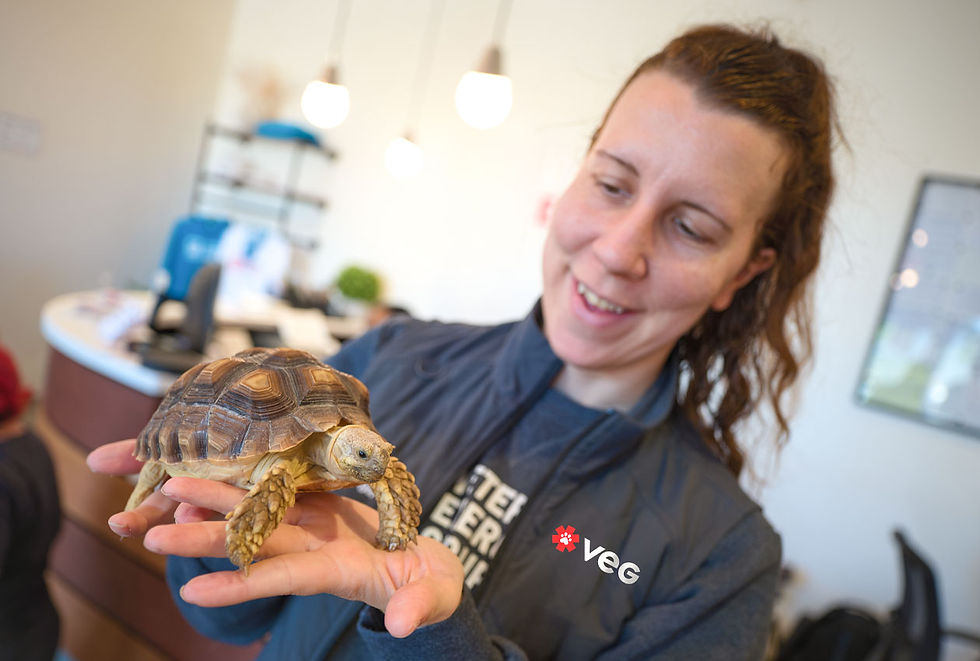
These kinds of injuries often happen due to issues with your reptile’s diet and environment. Be sure that your reptiles are getting enough calcium and that you have a UVB light in their living space to avoid issues with vitamin D3 generation.
Reptiles are generally solitary animals, but if you do have more than one in the same enclosure, be sure that they are not fighting and that they cannot get stuck inside anything that you have given them in the habitat, like boxes or hollowed-out spaces. It’s also important that anyone handling your pet is doing so carefully and supporting their body properly.
Contact VEG ER for Pets for fractured bones or shells in reptiles; open 24/7
If you think that your pet might have a more serious illness that is causing broken bones, you need to have your vet do a full workup on your reptile’s health. These conditions are rare, but they do happen to reptiles in some instances.
For more information, or if you would like to speak to an emergency vet, contact VEG by calling one of our pet hospital locations. Our locations are open 24/7 and our highly skilled teams care for a variety of pet emergencies, including emergencies related to exotic pets.